

10 days
- Bay of Fundy & Annapolis Valley, Cape Breton Island, Eastern Shore, Halifax Metro, South Shore, Yarmouth & Acadian Shores
Looking for top attractions, popular places to visit, scenic coastal drives, and great food to keep you fueled for your adventure? Then this is the itinerary for you!
From Halifax to Yarmouth and on to Cape Breton Island, this 10 day itinerary is jam-packed with ideas and top recommendations to fill your epic Nova Scotia road trip.

by Tourism Nova Scotia
What can you expect on this Essential Nova Scotia road trip?
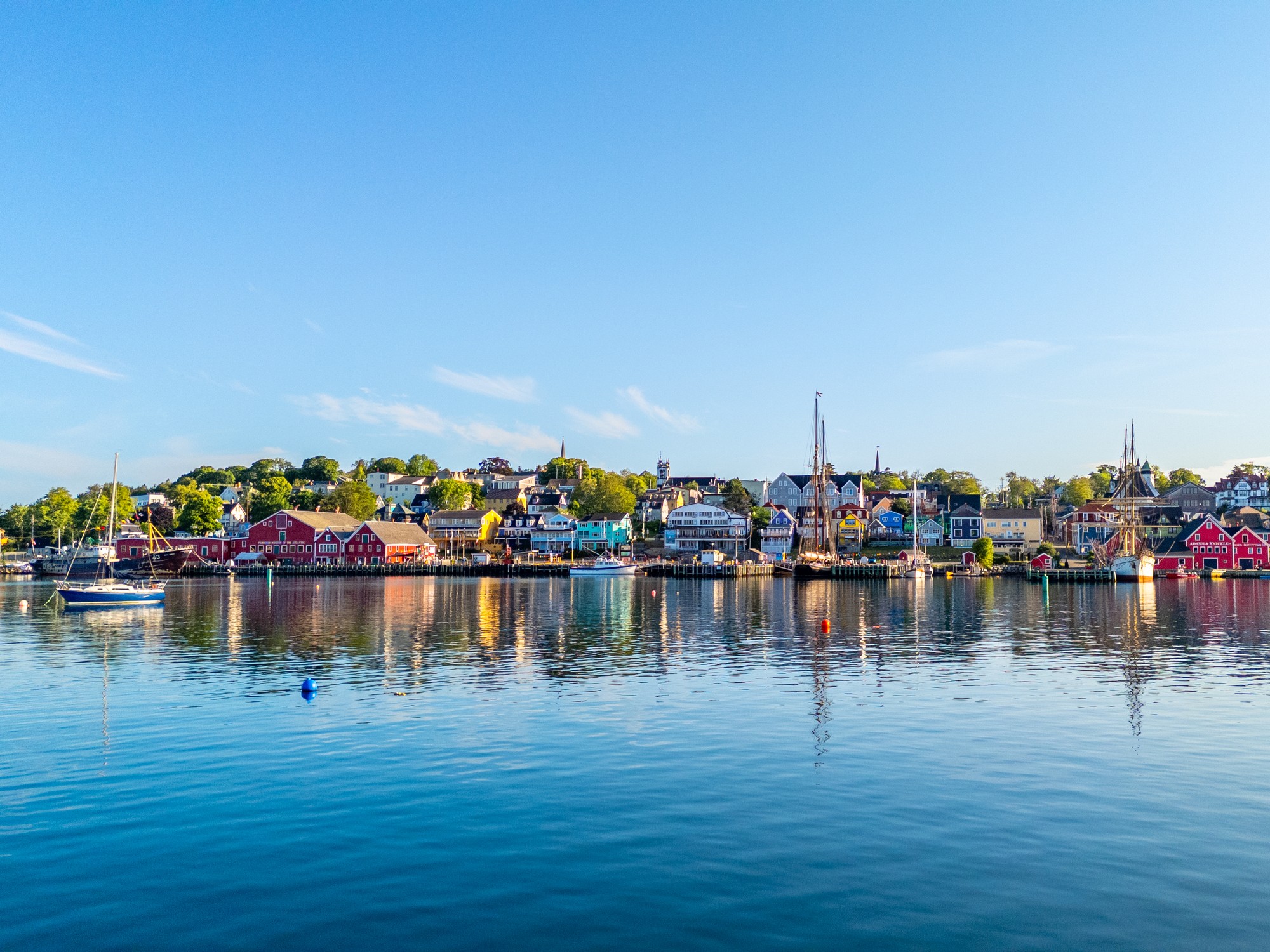
This 10-day Nova Scotia road trip connects many of the province’s signature experiences, including Halifax, Peggy’s Cove, Lunenburg, the Bay of Fundy, Annapolis Valley, Cabot Trail, and Cape Breton Highlands National Park. Expect coastal communities, beaches, culture, local food, historic sites, and outdoor adventures, along with regular driving days and plenty of opportunities to choose the experiences that interest you most.
Is this itinerary right for you?
This itinerary is ideal for first-time visitors who want to experience several regions of Nova Scotia in one trip and don’t mind spending time on the road. Ten days allows you to experience many highlights, but not everything, so you’ll need to pick and choose some attractions, hikes, tours, and dining experiences. If you prefer a slower pace, consider extending the trip or spending additional nights in your regions of choice.

1 Day 1 : Halifax
Downtown Halifax
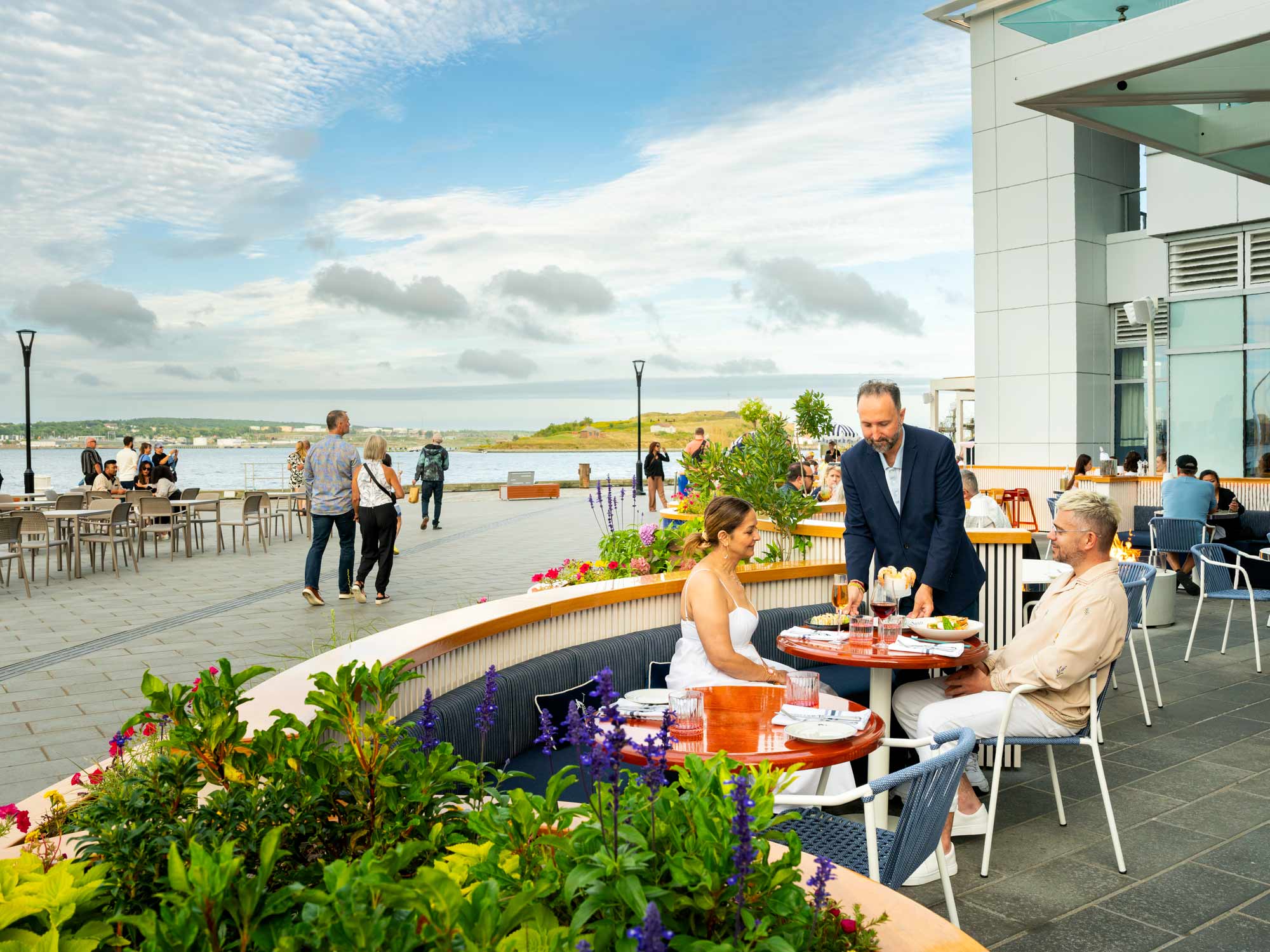
Downtown Halifax is easy to explore, and the Halifax Waterfront is a great place to start. From here, hop on a guided city tour, rent a bike or Segway to explore at your own pace, or take a boat tour for a different view of Halifax Harbour.

Stroll Spring Garden Road for shopping and dining, then step into the Halifax Public Gardens, a 16-acre Victorian garden in the heart of the city. For an indoor stop, enjoy city views from the Halifax Central Library, see Maud Lewis’s painted house at the Art Gallery of Nova Scotia, or explore hands-on exhibits at the Discovery Centre.

Dive into Halifax’s history at the Canadian Museum of Immigration at Pier 21, where nearly one million immigrants entered Canada between 1928 and 1971, or explore Nova Scotia’s seafaring history at the Maritime Museum of the Atlantic, including exhibits about the Titanic and Halifax Explosion. At the Museum of Natural History, discover Nova Scotia’s natural landscapes and wildlife and meet Gus, the museum’s famous tortoise.
Head uphill to the Halifax Citadel National Historic Site, the star-shaped fortress overlooking downtown and Halifax Harbour. Explore the ramparts and exhibits, meet costumed interpreters, and experience traditions such as the daily Noon Gun.

Save room to experience Halifax’s food scene. Grab something from a waterfront vendor, try a donair, Halifax’s official food, or settle in for a meal at restaurants along the waterfront in the Queen’s Marque District, Waterfront Warehouse, Cable Wharf Kitchen & Patio, Bicycle Thief, or Water Polo. For an elevated dining experience, book a table at Mystic or Tribute, where innovative menus showcase Nova Scotia ingredients and flavours in contemporary ways.

2 Day 2 : South Shore
Peggy’s Cove Lighthouse
Head to the South Shore and make your first stop Peggy’s Cove. Explore the working fishing village, browse local artisan and gift shops, enjoy fresh seafood, and snap a photo of the iconic lighthouse overlooking the granite shoreline. Peggy’s Cove can be busy during summer and fall, so consider arriving earlier or later in the day, and always stay off the black rocks near the water.

Mahone Bay
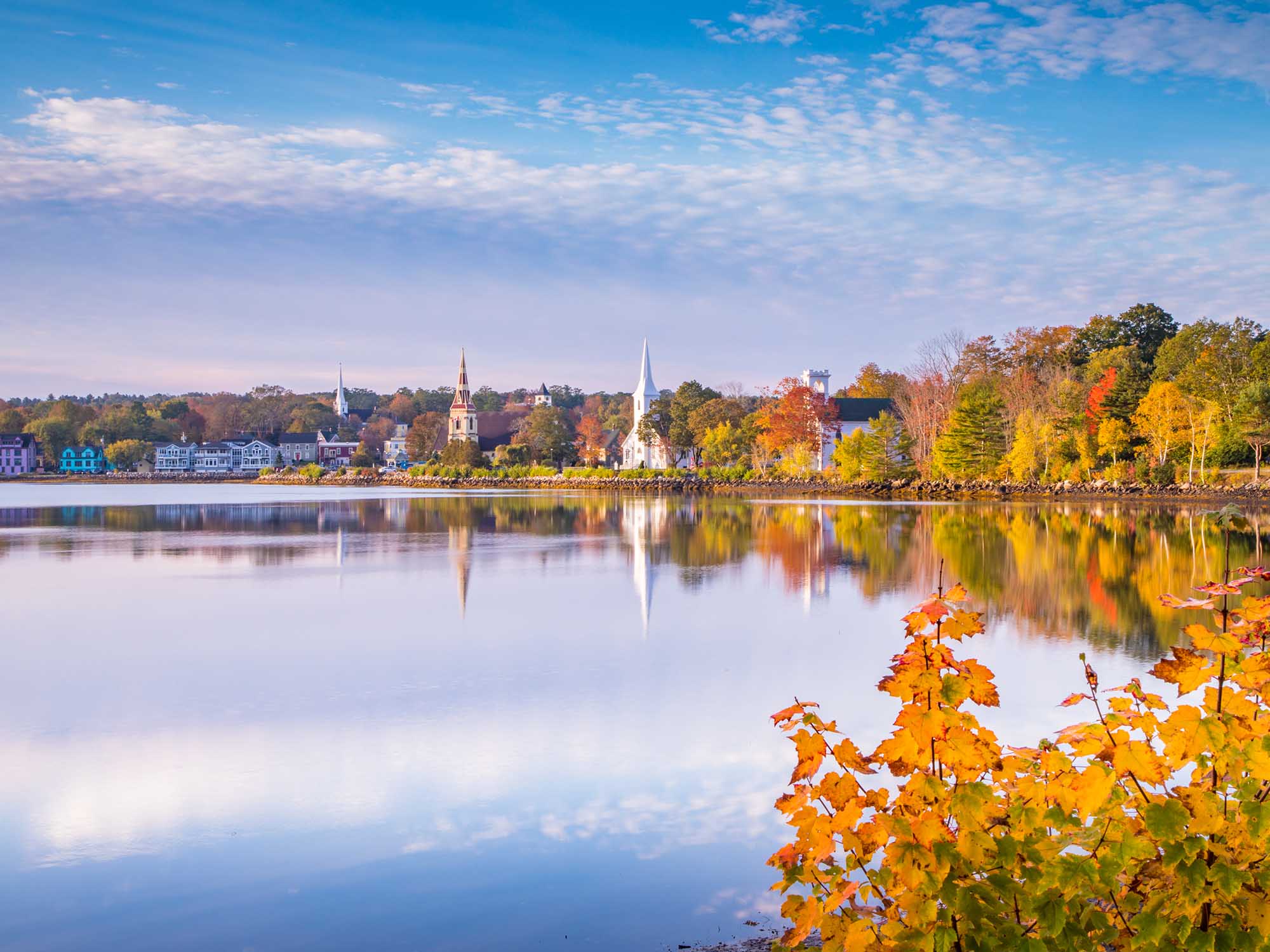
Continue along the South Shore to Mahone Bay, where the historic waterfront and iconic Three Churches make an easy scenic stop. Browse local artisan shops and galleries such as Amos Pewter, Seamist Studio, and Lighthouse Market, all within an easy stroll.
Stay for a coffee, craft beer, or meal at local favourites including Mateus Bistro, The Barn Coffee & Social House, and Saltbox Brewing. Mahone Bay is compact and walkable, but traffic and parking can be busier during peak summer weekends and popular seasonal events, so allow a little extra time.
Lunenburg
Continue to Lunenburg, a UNESCO World Heritage Site known for its colourful waterfront, narrow streets, and distinctive architecture. Look for the famous Bluenose II in port, then explore Ironworks Distillery, the Fisheries Museum of the Atlantic, Laurie Swim Gallery, or get to know the town with Lunenburg Walking Tours.
Make time for fresh seafood at local favourites such as Salt Shaker Deli, The Old Fish Factory Restaurant & Ice House Bar, or Grand Banker Seafood Bar & Grill. There’s easily enough to fill a full day in Lunenburg, so if you want more time to explore the waterfront, museums, shops, and restaurants, consider staying overnight at one of the town’s inns or B&Bs.

3 Day 3 : Yarmouth
Cape Forchu Lighthouse
Start with Cape Forchu Lighthouse, where rugged coastal scenery and ocean views make it well worth the short drive from Yarmouth. For a different perspective, book the Climb the Light experience and climb 77 steps to the lantern room while learning about the lighthouse and surrounding area.
Back in Yarmouth, explore the town’s maritime history on the self-guided Historic District Sea Captain’s Homes and Mercantile Heritage Walk, which passes impressive sea captains’ homes and traces Yarmouth’s history as a major 19th-century port.

Argyle & Pubnico
Before settling in for the night, visit Le Village historique acadien de la Nouvelle-Écosse to experience Acadian culture and learn about daily life in an early 1900s Acadian community. Then, make your way to Argyler Lodge in Lower Argyle for the night. While you’re there be sure to kayak on Lobster Bay or take part a hands-on cooking class in the dining room or a lobster boil on the beach. The Argyler is a cozy oceanfront lodge located in a working fishing village on Lobster Bay.

4 Day 4 : Choose Your Adventure – Kejimkujik National Park & National Historic Site or Whale Watching
Explore Kejimkujik by Land and Water
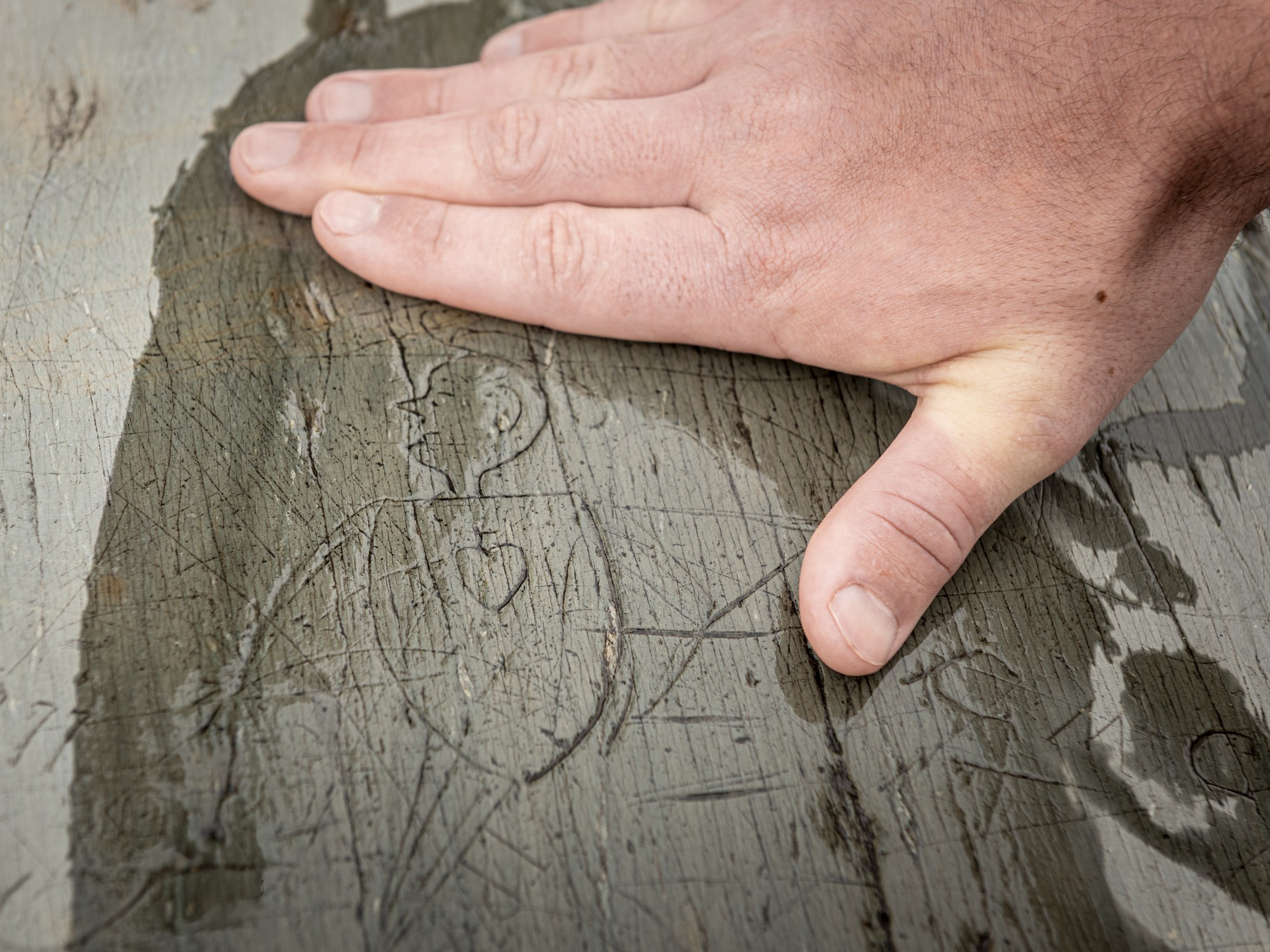
Spend the day exploring Kejimkujik National Park and National Historic Site by trail or water. Hike or bike through forests and along lakes and rivers, or rent a canoe from Whynot Adventure Outfitters to paddle waterways travelled by the Mi’kmaq for generations. Guided petroglyph tours offer another opportunity to learn about the area’s long Mi’kmaw cultural history.
Stay Overnight in the Park
Turn your visit into an overnight adventure at Jeremy’s Bay Campground. Choose from traditional tent and trailer campsites, or try one of Parks Canada’s alternative accommodations, including rustic cabins, teardrop-shaped Oasis accommodations, and oTENTiks. Staying overnight gives you more time to hike, paddle, explore, and experience Kejimkujik at a slower pace.

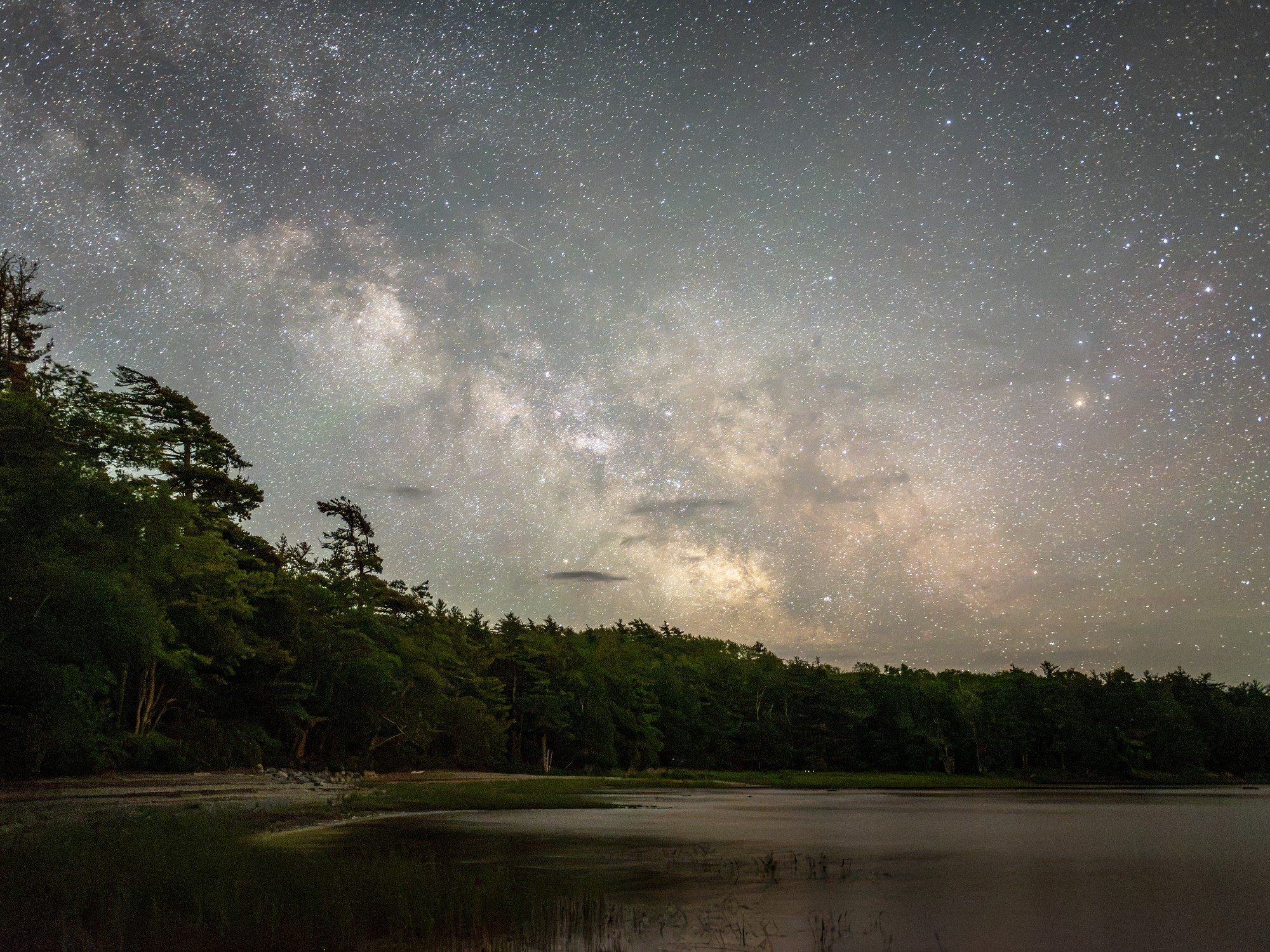
Experience Kejimkujik After Dark
Don’t pack it in when the sun sets. Kejimkujik National Park and National Historic Site is known for its dark skies, making an overnight stay a great opportunity for stargazing. Visit the Sky Circle and take in the night sky with a telescope, binoculars, or simply the naked eye, weather and cloud cover permitting.
Digby & area
If whale watching is the adventure you’re after, head toward Digby and follow Digby Neck toward Long Island and Brier Island. Whale watching tours head into the nutrient-rich waters of the Bay of Fundy, an important feeding area for whales and other marine wildlife. Sightings depend on weather and wildlife activity, so allow flexibility in your plans and book tours in advance during peak season.
While on Long Island, hike the 2.5-kilometre Balancing Rock Trail to see the distinctive basalt column perched above the Bay of Fundy. The trail makes an easy addition to a whale-watching day, but remember to allow time for the ferry crossings when planning your route.

Digby offers a variety of places to stay, from welcoming inns and bed and breakfasts to campgrounds and resorts. For a full-service stay, Digby Pines Golf Resort & Spa offers accommodations close to golf, trails, dining, and the waterfront. Staying in or near town also keeps you close to local restaurants and makes a convenient base for exploring Digby Neck and the surrounding Bay of Fundy region.

5 Day 5 : Hall's Harbour, Wolfville & Wine Country
Hall’s Harbour
Stop in Hall’s Harbour for a classic Bay of Fundy dining experience at Hall’s Harbour Lobster Pound & Restaurant. Choose a fresh lobster and enjoy it overlooking the working harbour, where you can watch the world’s highest tides rise and fall. Time your visit around low tide and you may see fishing boats resting on the exposed ocean floor before the harbour fills again.

Wolfville & Area
Begin your Annapolis Valley adventure in Grand Pré, home to Grand-Pré National Historic Site within the Landscape of Grand Pré UNESCO World Heritage Site. Explore the historic grounds and learn about the Acadian community that once flourished here and the Deportation that began in 1755. Look for the statue of Evangeline, inspired by Henry Wadsworth Longfellow’s poem Evangeline: A Tale of Acadie, and take time to experience the surrounding cultural landscape.

Stop at Tangled Garden to wander through fragrant herb gardens filled with unusual plants, flowers, and fruit. Explore the garden labyrinth, browse the art gallery and shop, and discover preserves and other products inspired by ingredients grown on the property.

Explore Nova Scotia’s Wine Country
Wolfville sits at the heart of Nova Scotia wine country, with 11 wineries located within 20 kilometres of town. Leave the driving to someone else with the Magic Winery Bus or another guided food and drink tour, or build your own route between nearby wineries. With so many options close together, choose a few wineries that match your interests rather than trying to visit them all in one day.

Take some time to explore Wolfville‘s walkable Main Street, stopping at local cafés, restaurants, shops, and boutiques along the way. Many restaurants highlight seasonal produce and Nova Scotia seafood, while Annapolis Cider Company offers another taste of the Valley through locally made cider.
Stay overnight in Wolfville, where historic inns and bed and breakfasts offer plenty of character while keeping you close to downtown dining, shops, and nearby wineries.

6 Day 6 : Noel Shore & Shubenacadie
Burntcoat Head Park
Explore the dramatic tides of the Noel Shore at Burntcoat Head Park, home to the world’s highest recorded tides. At low tide, descend to the ocean floor to explore the red cliffs, tidal pools, and exposed seabed before the Bay of Fundy tides return and transform the landscape. Check local tide times before you visit, as ocean-floor access is tide-dependent, and be prepared for stairs, mud, rocks, and uneven terrain.

Tidal Bore Rafting
Try tidal bore rafting for a uniquely Nova Scotian Bay of Fundy adventure. As the powerful incoming tide pushes into rivers connected to the bay, it temporarily reverses their flow and creates waves and rapids for rafting tours to ride. Expect an energetic, splashy experience that changes with the tides, with trip times and intensity varying by day.

7 Day 7 : Cabot Trail and Cape Breton Highlands National Park
Cape Breton Highlands National Park
Head toward Cape Breton Island, following the Ceilidh Trail along the coast or taking the Bras d’Or Lakes Scenic Drive toward the Cabot Trail. Stop in Chéticamp, a vibrant Acadian community at the western entrance to Cape Breton Highlands National Park, before continuing into the park.
With 26 hiking trails, beaches, scenic lookoffs, camping, cycling, wildlife viewing, golf, and more, there’s far more to experience than you can fit into a single day. Choose a few experiences that match your interests, and stop at the Parks Canada Visitor Centre in Chéticamp or Ingonish to help plan your visit. A valid park pass is required for hiking and use of park services, and an admission fee applies.

Hike the Skyline Trail, one of Cape Breton Island’s signature hiking experiences, for panoramic views over the Gulf of St. Lawrence and the Cabot Trail below. Allow about 2–3 hours for the trail and viewpoints, and remember that coastal weather and fog can change quickly and affect visibility. Parking reservations are required during peak season, from late June through October, so be sure to book ahead.
As you continue along the Cabot Trail, take advantage of the many scenic lookoffs for shorter stops, photos, and a chance to stretch your legs between hikes and communities.

Whale Watching in Cape Breton
Join a whale watching tour along the Cabot Trail, with departures from Chéticamp, Pleasant Bay, Bay St. Lawrence, and Ingonish. Summer and early fall are popular times for whale watching, though sightings depend on weather, marine conditions, and wildlife activity.
After a full day of exploring, stay overnight in one of the smaller communities along the route or continue to Ingonish, where you’ll find chalets, cottages, and inns. Giving yourself an overnight stop also makes it easier to enjoy the Cabot Trail without rushing between hikes, lookoffs, and coastal communities.

8 Day 8 : Ingonish & Baddeck
Ingonish
Spend time around Ingonish exploring some of the eastern side of Cape Breton Highlands National Park. Walk Middle Head Trail for coastal views or tackle the more challenging Franey Trail, then stop at Black Brook Beach for a quieter break by the water.
In summer, cool off at Broad Cove Beach, North Bay Beach, or Ingonish Beach, with plenty of opportunities to stop at local cafés and bakeries between outdoor adventures.
Golfers can also book a round at Cape Breton Highlands Links, where the course winds through the highlands and along the Atlantic coast.
There’s more here than you’ll comfortably fit into one day, so choose a hike, beach, or round of golf rather than trying to squeeze in everything.

Baddeck
Depart Ingonish for Baddeck, a waterfront village on the Bras d’Or Lake. Visit the Alexander Graham Bell National Historic Site to discover the inventor’s work through artifacts, experiments, and innovations, including the HD-4 hydrofoil.
Get out on the Bras d’Or Lake with Amoeba Tours on the WinStar, or stop in Nyanza for a tasting at Big Spruce Brewing, an organic farm-based craft brewery.
Stay overnight in Baddeck, where you’ll find bed and breakfasts, inns, motels, cottages, and campgrounds, or continue to Sydney for the night. Baddeck makes a particularly convenient overnight base if you’d rather slow down after exploring the Cabot Trail than add another drive at the end of the day.

9 Day 9 : Louisbourg & Liscomb
Fortress of Louisbourg National Historic Site
Step back into the 18th century at Fortress of Louisbourg National Historic Site, where costumed interpreters, reconstructed streets, demonstrations, and historic buildings bring the fortified French town to life. Watch soldiers march and cannons fire, visit the working bakery, and explore immersive experiences that reveal what daily life was like nearly 300 years ago. Allow at least four to six hours to experience the site without rushing.

Make time for lunch inside the fortress, where costumed staff serve food and drinks inspired by 18th-century traditions and recipes. For an even more immersive experience, seasonal overnight stays let you camp within the fortress walls or sleep in a period-style building after regular visiting hours.
You can also stay in the community of Louisbourg, where accommodations range from bed and breakfasts and cottages to North Star*, an oceanfront hotel overlooking the coast.

Liscomb
Make your way to Nova Scotia’s Eastern Shore and settle in at Liscombe Lodge Resort near Sherbrooke, overlooking the Liscomb River. Spend the afternoon hiking a section of the resort’s trails or simply slow down and enjoy the quiet riverside setting.
Get out on the water with a pontoon boat tour along the Liscomb River toward the Atlantic Ocean, then end the day with dinner in the resort’s Riverside Dining Room, featuring local ingredients and views of the river and rugged Eastern Shore landscape.

10 Day 10 : Eastern Shore Beaches
As you make your way back toward Halifax, leave time to explore the beaches of Nova Scotia’s Eastern Shore. Walk the beach and coastal trails at Taylor Head Provincial Park, or stop at Martinique Beach Provincial Park, Nova Scotia’s longest sandy beach and a popular spot for watching surfers.
Closer to the city, visit Lawrencetown Beach Provincial Park and book a lesson with East Coast Surf School if you’d like to try surfing for yourself. You won’t realistically fit all three beaches into a relaxed day, so choose one or two based on whether you’re looking for hiking, a long beach walk, or time on the water.

This page was created by Tourism Nova Scotia, the official source for travel information and trip planning in Nova Scotia. Content is informed by local knowledge, destination expertise, and information from tourism operators and communities across the province.
10-Day Essential Nova Scotia Road Trip Frequently Asked Questions

Tag your travel photos to be featured.
