
Treasures, Makers & Hidden Gems in Amherst
Amherst is a place where every find has a story. Browse thrift shops, consignment stores, used bookstores, local maker markets, and artist studios,...
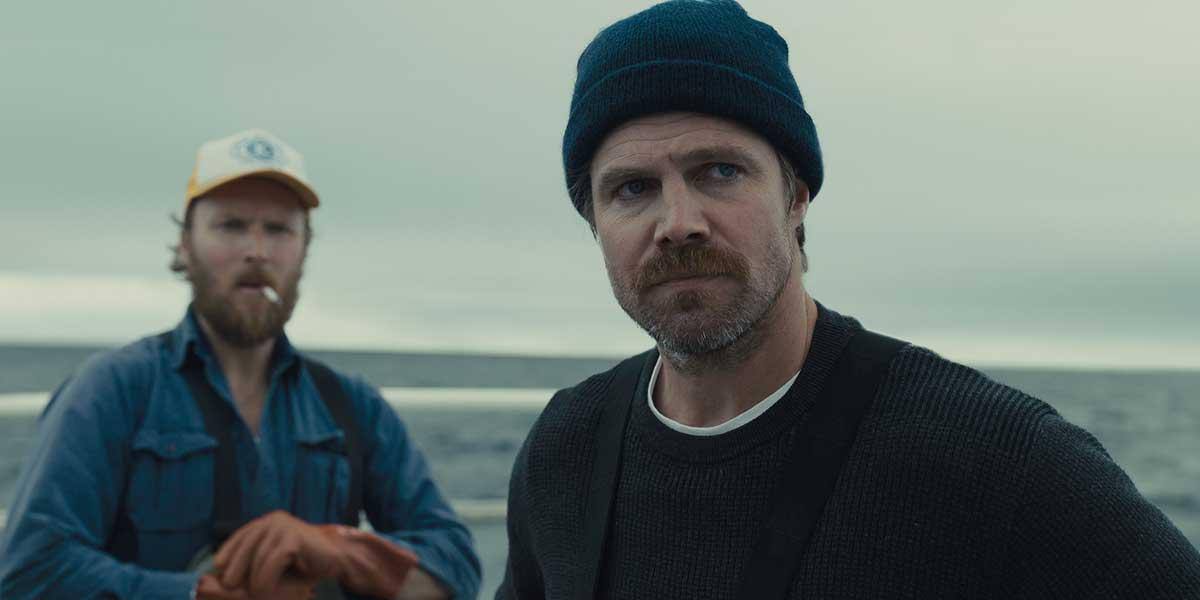
Nova Scotia’s dramatic coastline takes centre stage in Little Lorraine, the 2025 crime drama inspired by Cape Breton folklore, maritime history, real-life events, and the haunting original song “Lighthouse in Little Lorraine” by Nova Scotia musician Adam Baldwin. Filmed on parts of Cape Breton Island, the movie captures the raw beauty and atmosphere of small coastal communities where fishing traditions, foggy shorelines, and local legends run deep.
For film lovers looking to step into the world of Little Lorraine, these filming locations offer the perfect road trip through one of Nova Scotia’s most cinematic regions.
Much of Little Lorraine was filmed throughout the town of Louisbourg, whose rugged shoreline and historic streets create the perfect backdrop for the film’s atmospheric storytelling. The community’s quiet fishing harbour and dramatic ocean views give the movie its unmistakable East Coast feel.
You can even stay where some of the film’s stars stayed during production. Book a stay at North Star*, a cozy local spot owned by Scottish-Canadian designers and television personalities Colin and Justin. The inn puts you close to many of the movie’s filming locations and Louisbourg’s scenic waterfront.
While you’re in Louisbourg, don’t miss a visit to the Fortress of Louisbourg National Historic Site and enjoy a meal of fresh seafood with ocean views at a local restaurant.
One of the film’s most authentic maritime backdrops can be found along Havenside Road in Louisbourg, where the weathered wharf scenes perfectly capture the rugged fishing culture central to the story. With fishing boats bobbing in the harbour and salty ocean air all around, this stretch of coastline feels like stepping into the movie. It’s an ideal stop for photography lovers and anyone wanting to experience the working waterfront atmosphere that defines Cape Breton’s coastal communities. Continue down Havenside Road to the Louisbourg Lighthouse to explore 2 kilometres of coastal trail.
Located in the historic town of Louisbourg, the charming Cranberry Cove Inn served as one of the film’s picturesque settings. The inn’s classic East Coast character fits seamlessly into the movie’s moody coastal aesthetic. It’s also a great home base for exploring many of the surrounding filming locations.
The Cape Breton Miners Museum in Glace Bay adds another layer of authenticity to Little Lorraine, reflecting the region’s deep-rooted mining history that plays into the film’s story. Visitors can tour the museum, hear stories from retired miners, and even head underground on a guided mine tour. A visit here offers a deeper understanding of the communities that inspired the film.
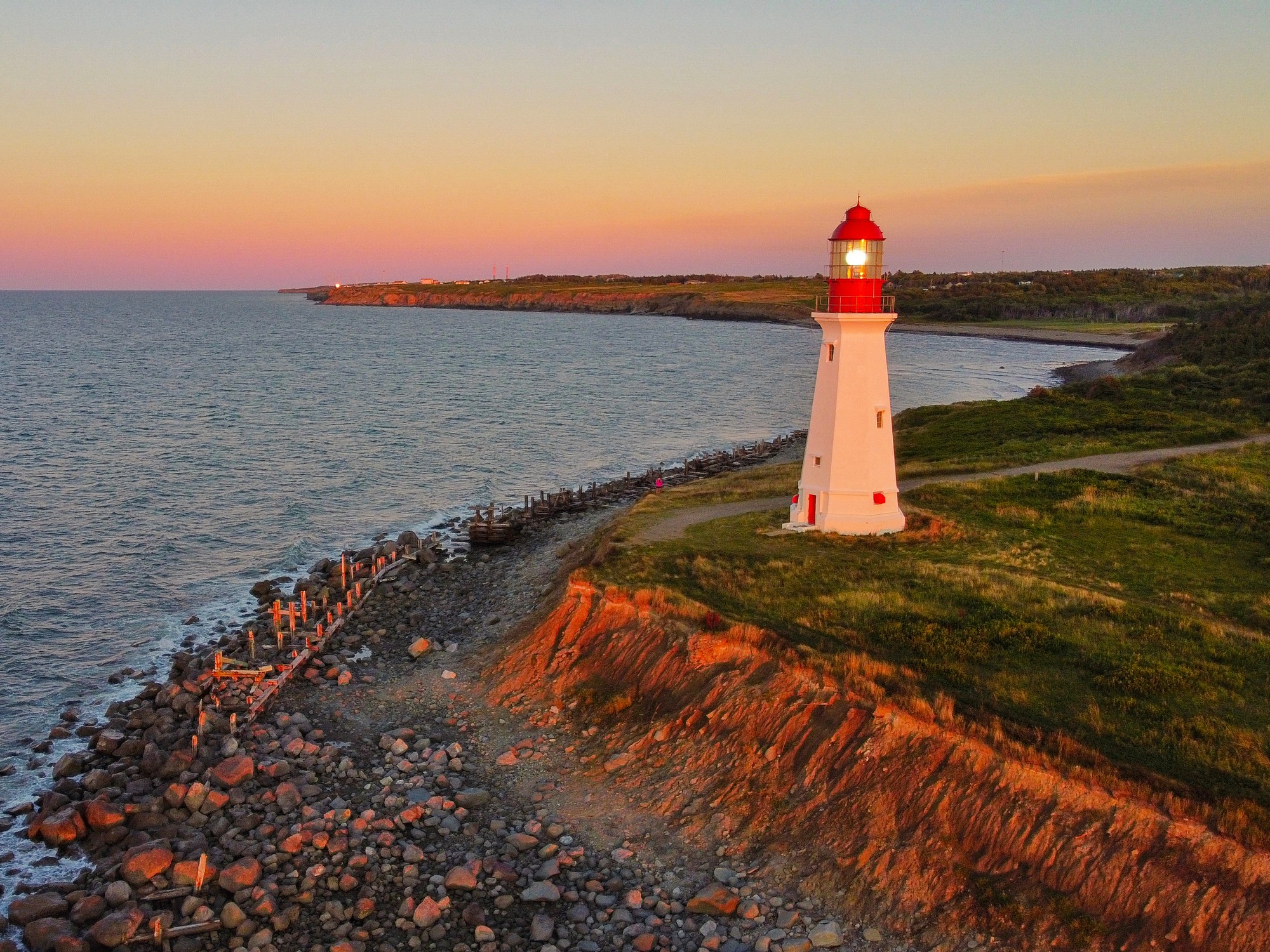
Perched along Cape Breton’s coastline near Sydney, Low Point Lighthouse delivers the kind of cinematic scenery that feels made for the big screen. The crashing waves, rocky shoreline, and sweeping ocean views create some of the film’s most visually striking coastal moments. It’s also one of the island’s best hidden gems for coastal photography and sunset views.
Located in Johnstown, Cape Breton, Sacred Heart Church adds timeless character and atmosphere to Little Lorraine. Its architecture and quiet rural setting make it a memorable filming location, surrounded by winding coastal roads and sweeping landscape views. The drive through this part of Cape Breton is worth the visit alone, offering plenty of opportunities to stop for photos and take in the island’s natural beauty.
Of course, no Little Lorraine filming locations tour would be complete without visiting the tiny community that inspired the film itself. Located along the southeastern coast of Cape Breton, Little Lorraine is a fishing village known for its dramatic ocean views, foggy coastline, and rich local folklore. The secluded and raw beauty of the area helped shape both the mood of the film and the original song that inspired it. Visitors will find a place that feels quiet, rugged, and unmistakably Nova Scotian.
Whether you’re a film buff, a road trip enthusiast, or simply looking to experience a different side of Nova Scotia, these Little Lorraine filming locations offer an unforgettable journey through parts of Cape Breton Island. From historic harbours to windswept lighthouses, the landscapes behind the film are every bit as captivating in real life as they are on screen.
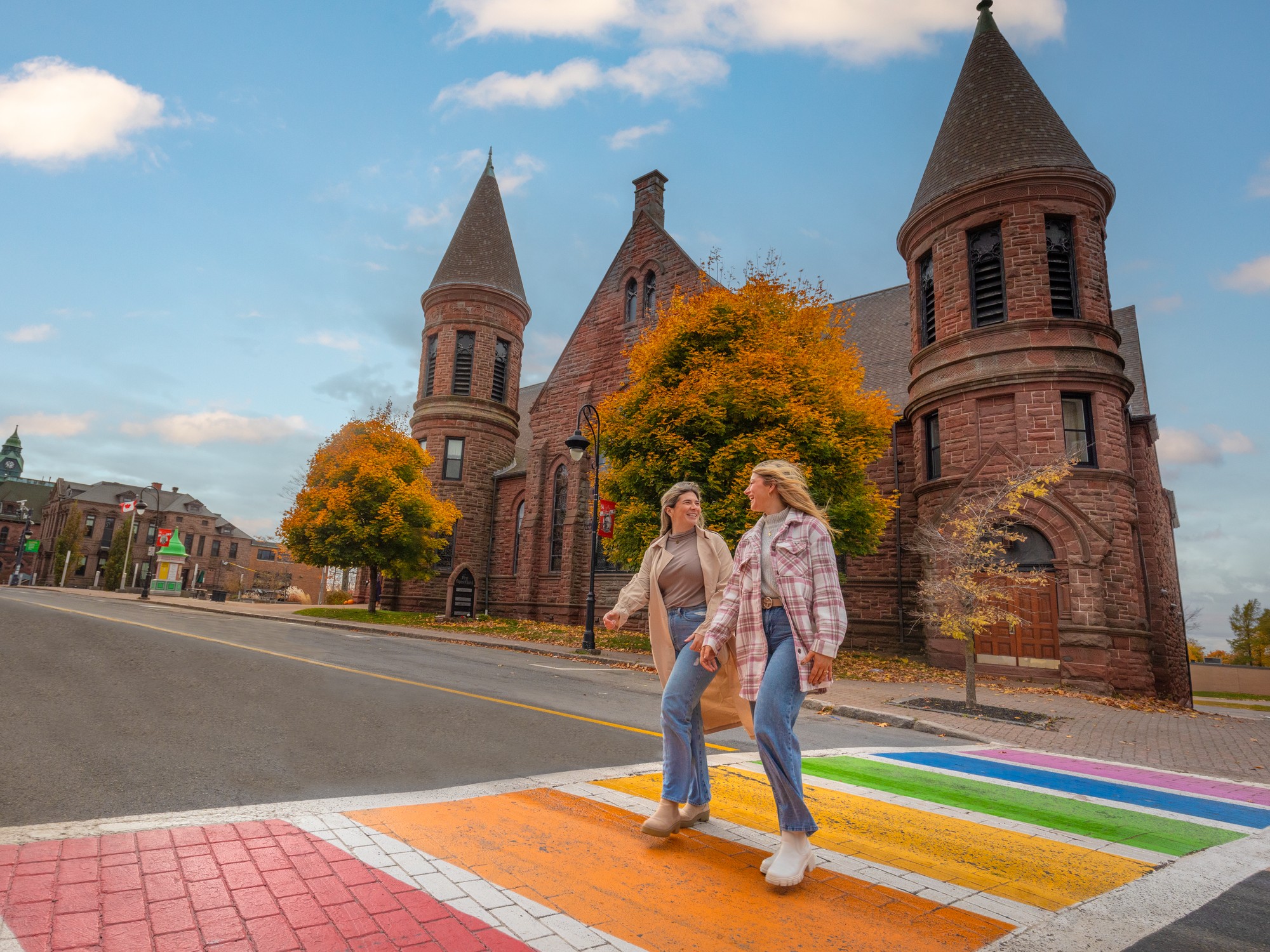
Amherst is a place where every find has a story. Browse thrift shops, consignment stores, used bookstores, local maker markets, and artist studios,...
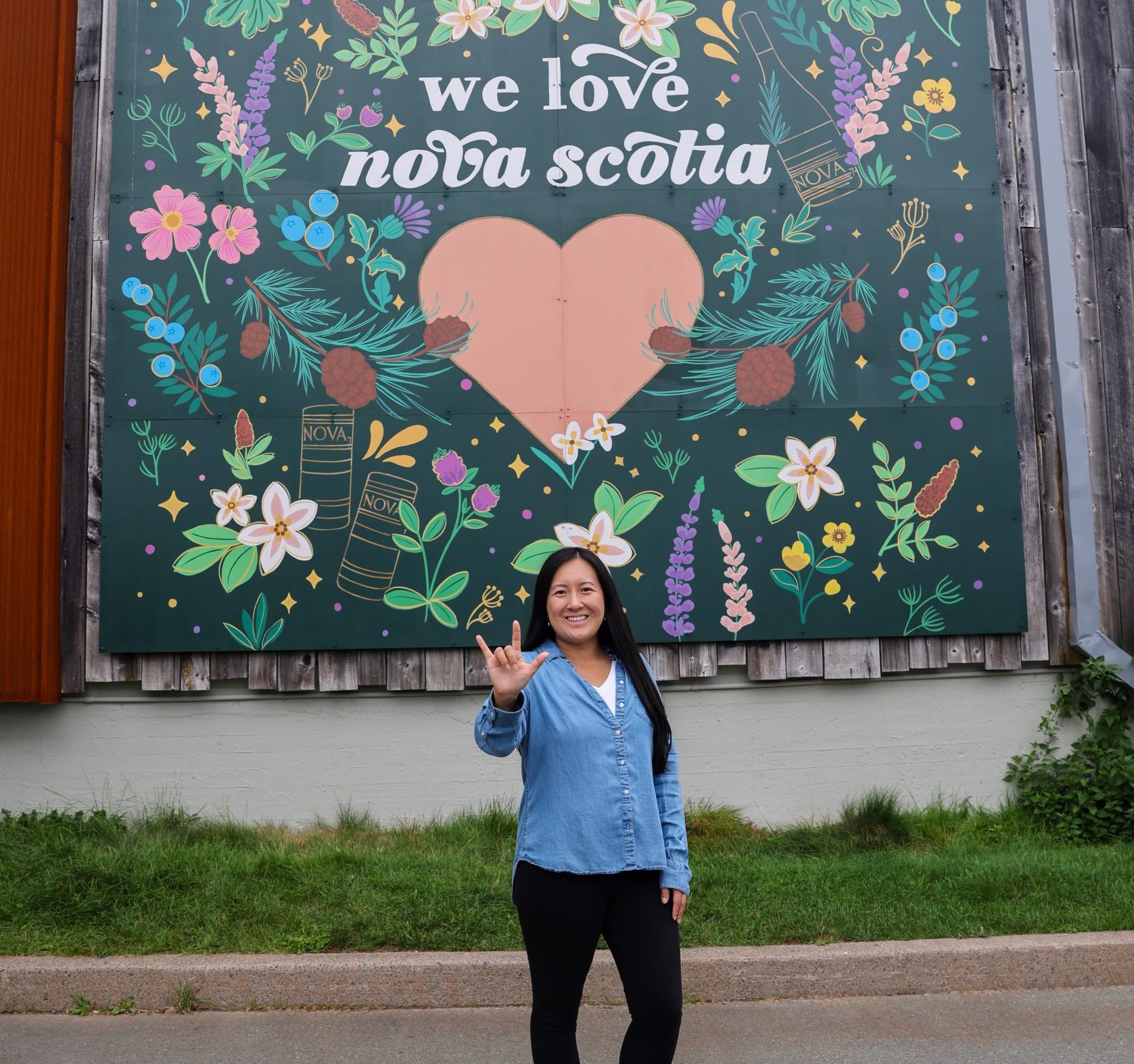
Deaf travellers, Lily Yu and Daniel Heidemeyer spent a week in Nova Scotia and this guide shares firsthand experiences, favourite stops, and practi...
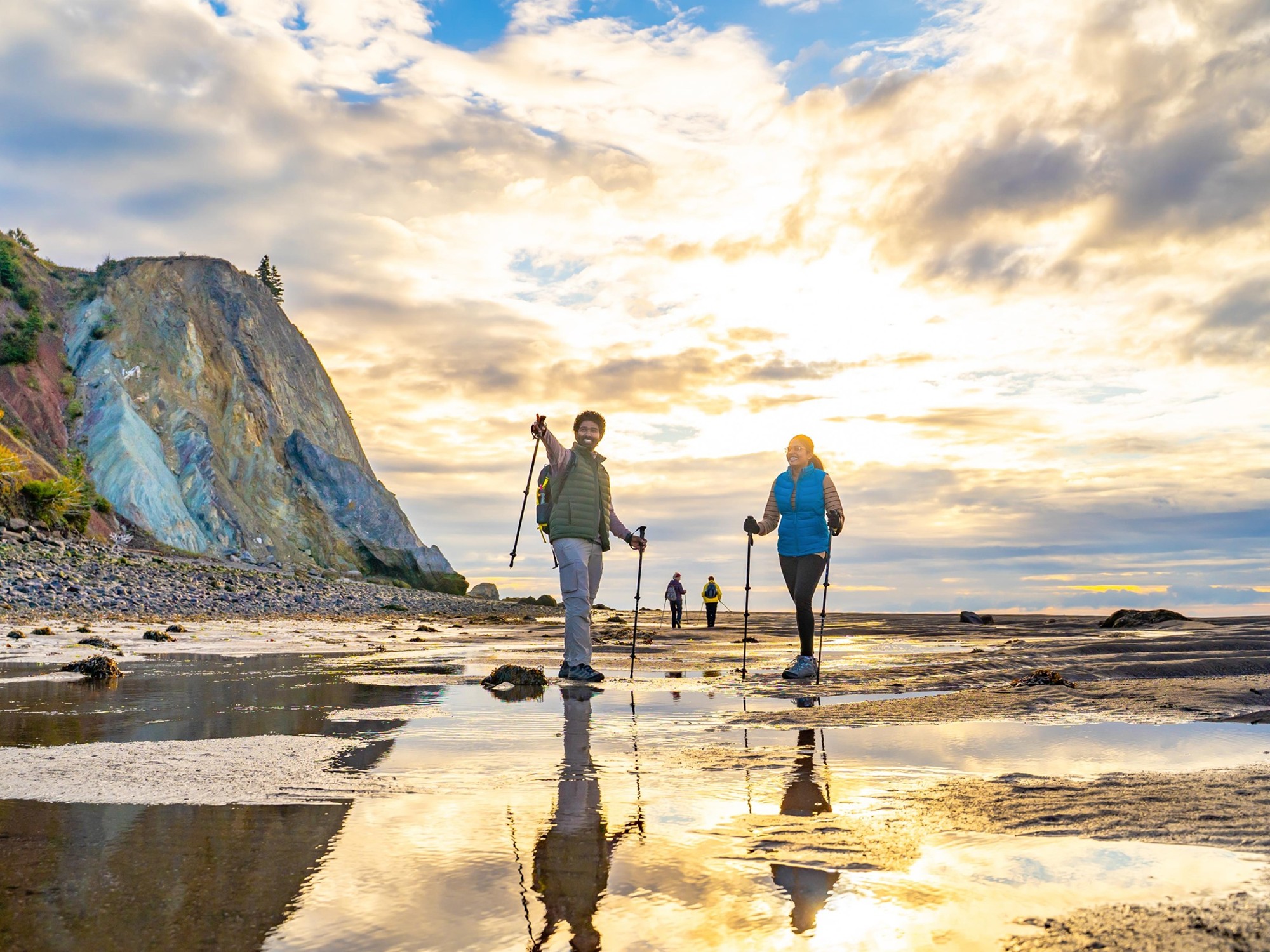
Nova Scotia’s chefs, artisans, hosts, and guides can't wait to welcome you. Add ranch tours, craft sessions, guided hikes, and more to your playlist.

Whether you prefer a Jeep, an ATV, a bicycle, or an e-bike, mix Nova Scotia’s beautiful views and colours into your playlist with outdoor adventures.

When people think of Cape Breton Island, places like the Cabot Trail often steal the spotlight. But tucked along the island’s southeastern shore is...

Tag your travel photos to be featured.
