
Stay Somewhere Unforgettable in Nova Scotia this Fall
Your next great stay is here. Add scenic oceanfront rooms, swoon-worthy vineyard stays, or glamping domes made for stargazing to your playlist.
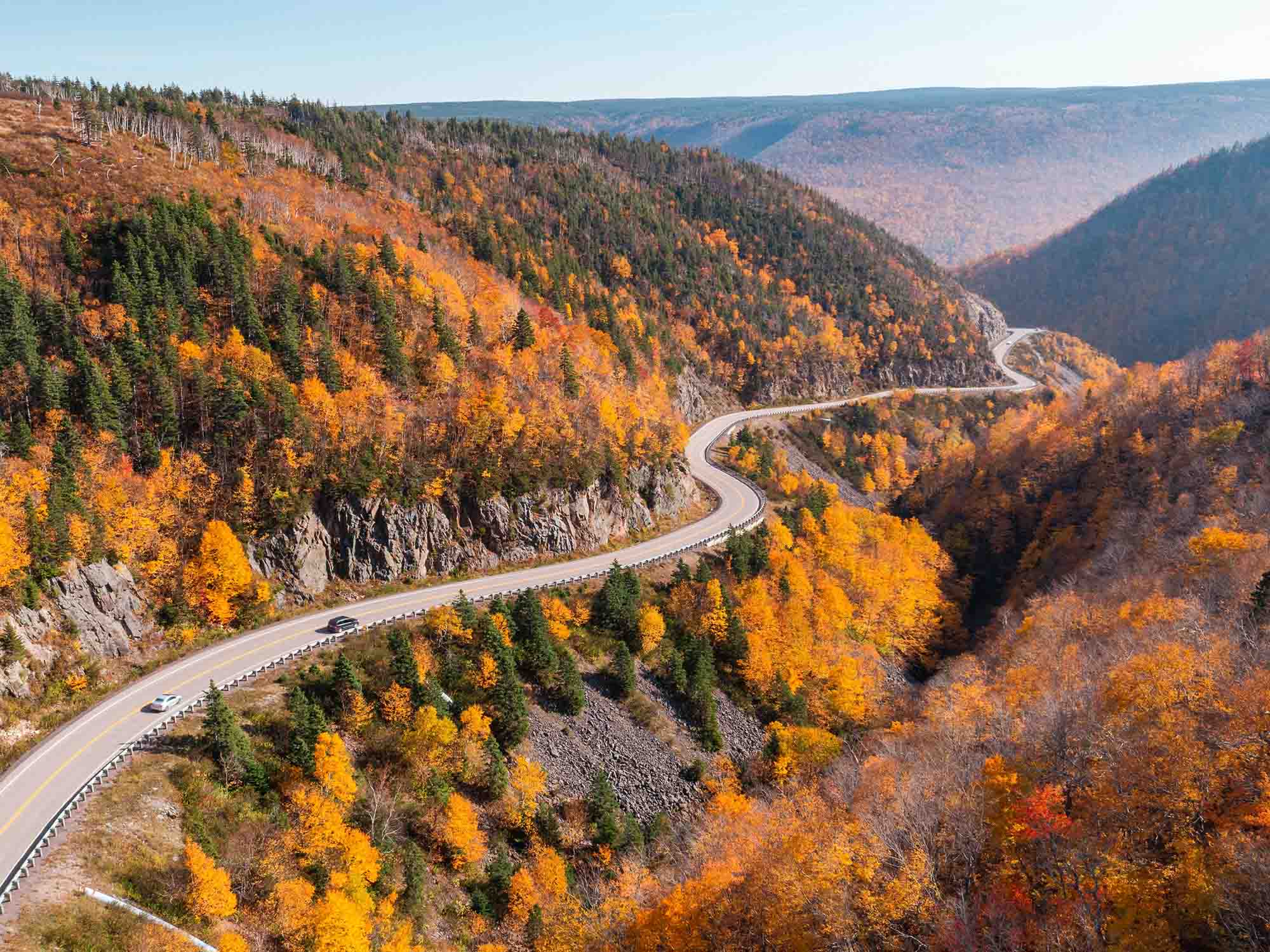
Nova Scotia is a great place to see fall colours because its autumn scenery is so varied and easy to explore. Travellers can see orange and yellow maple hills, brilliant red blueberry fields, golden grasses, colourful ferns, and subtle fall tones in bogs and salt marshes. The most vibrant fall foliage often appears from late September through October, especially when sunny days are followed by cool nights. Timing and colour intensity can vary by region and weather, so visitors may experience different stages of autumn colour across the province.
The vibrant palette of fall foliage is a sign that deciduous trees, shrubs, and plants are getting ready for winter. Throughout the growing season, they have been setting seeds and making food for winter storage. Summer leaves are green because of the chlorophyll they contain, which helps them use sunlight, water, and carbon dioxide to make food.
With the onset of autumn in Nova Scotia, days become shorter, nights become cooler and longer. At the same time food processing in the leaves shuts down. The chlorophyll content in the leaves decreases and green gives way to the yellow and orange pigments already present in the leaves.
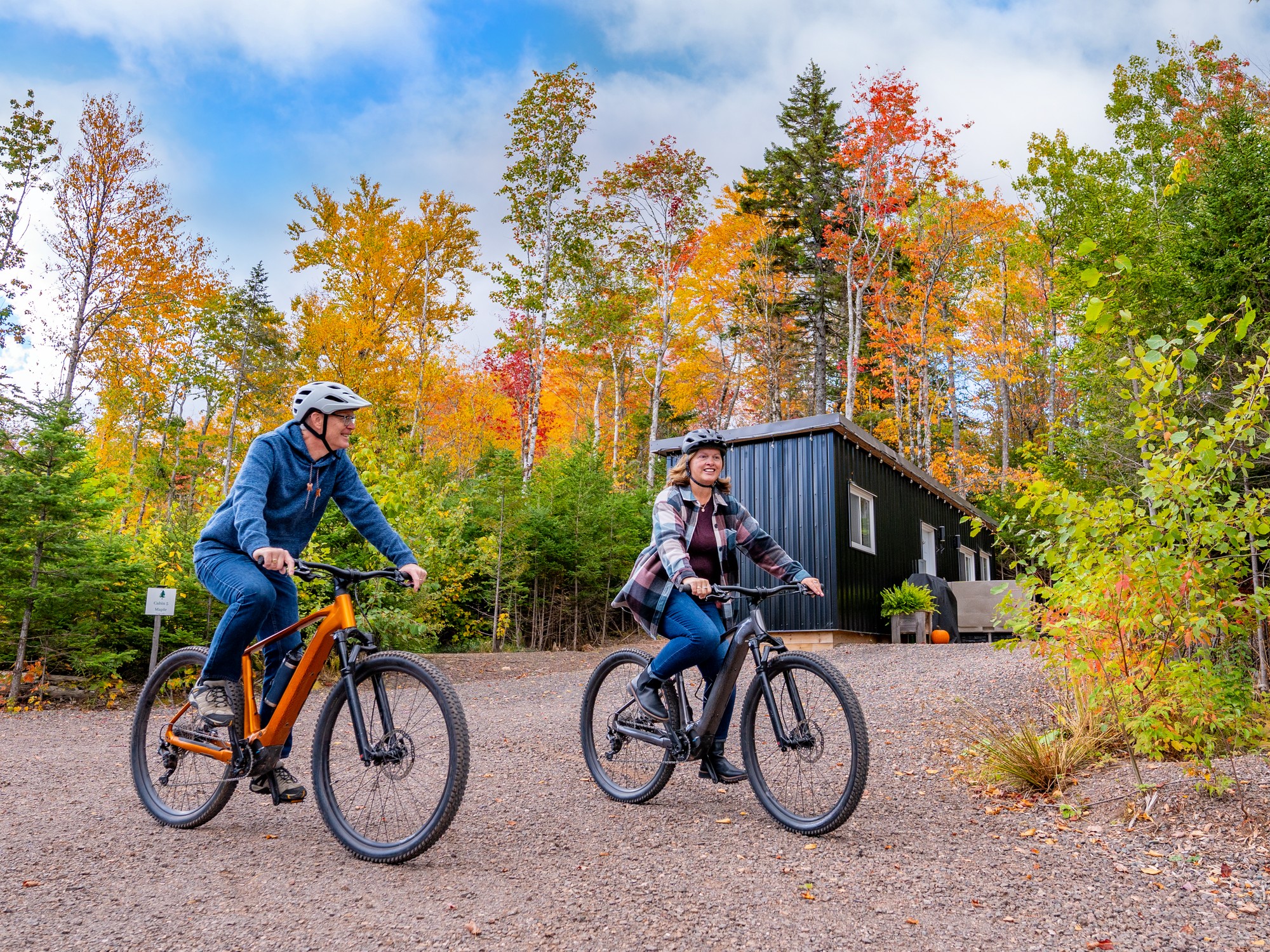
Purple and red shades result from chemical changes by sunlight acting on sap that has become trapped in the leaves. The intensity of the colour depends on the amount of sunlight the leaves receive. Sunny days and cooler nights will release a more dramatic display and variety of colour.
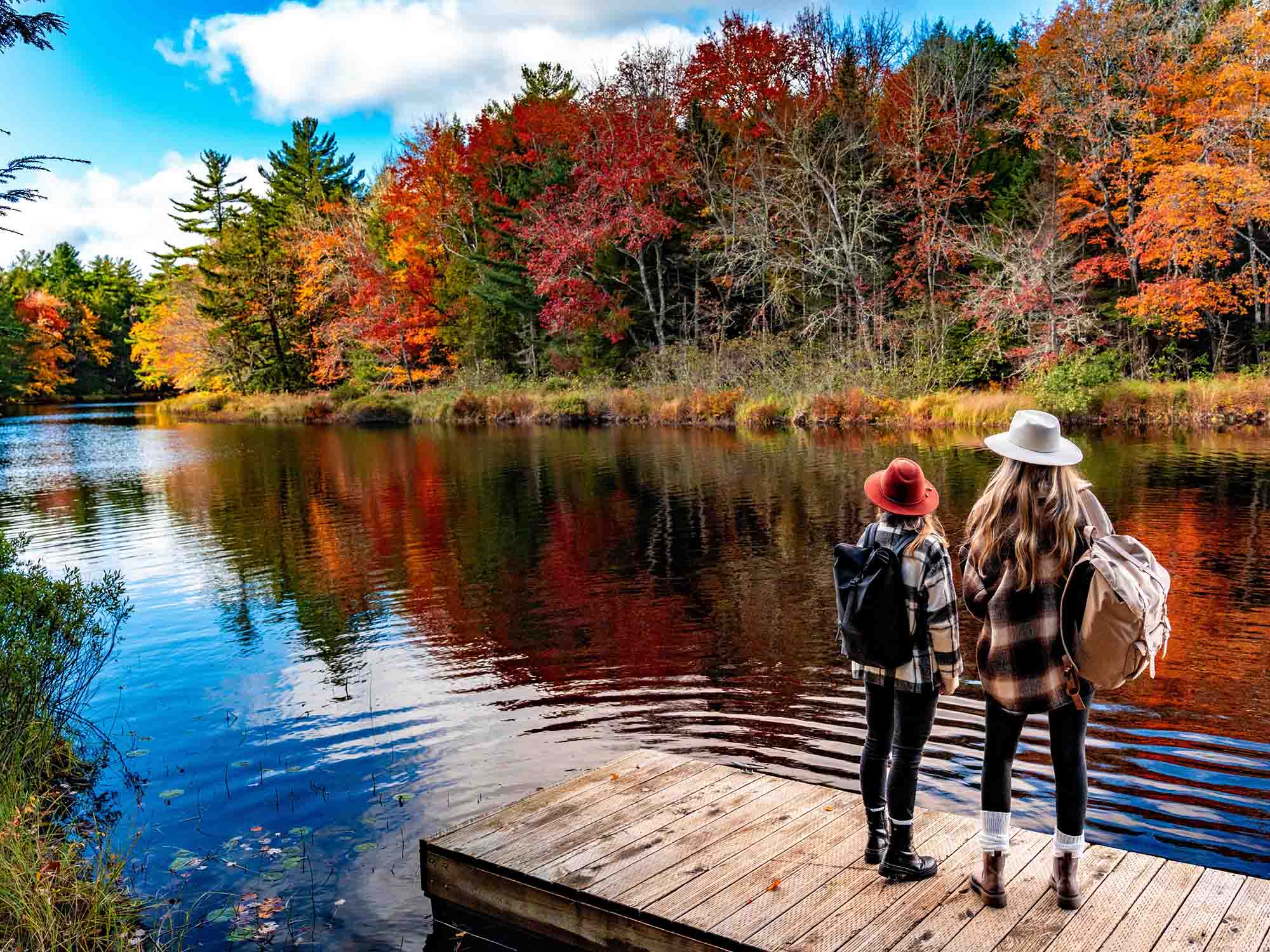
You can look for the bright red berries of the Highbush-cranberry, the gentler red of the rose hips, the orange to red berries of the Mountain-ash and the reddish-purple clusters of fuzzy Staghorn Sumac berries long after the leaves have dropped.
Fallen leaves continue to add colour interest, standing out as bright notes against contrasting backgrounds or forming a mosaic carpet of colour and texture. A light frost can add another layer of texture and sparkle to the landscape.
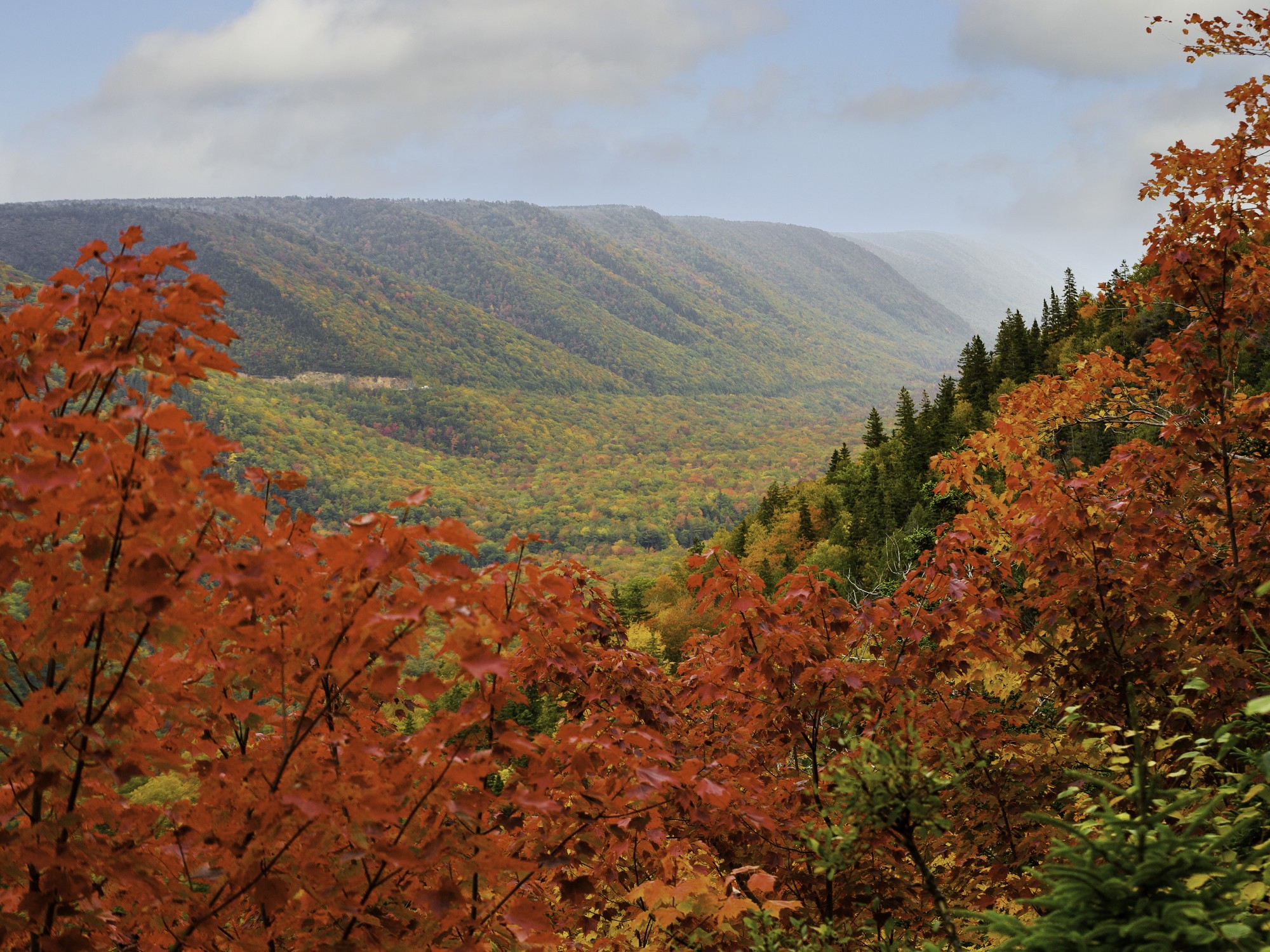
Fall colours in Nova Scotia typically build through late September and October, with the most vibrant displays often appearing when sunny days are followed by cool nights. Timing varies by region, elevation, and weather, so travellers may see different stages of colour across maple hills, blueberry fields, coastal routes, bogs, and woodland trails.
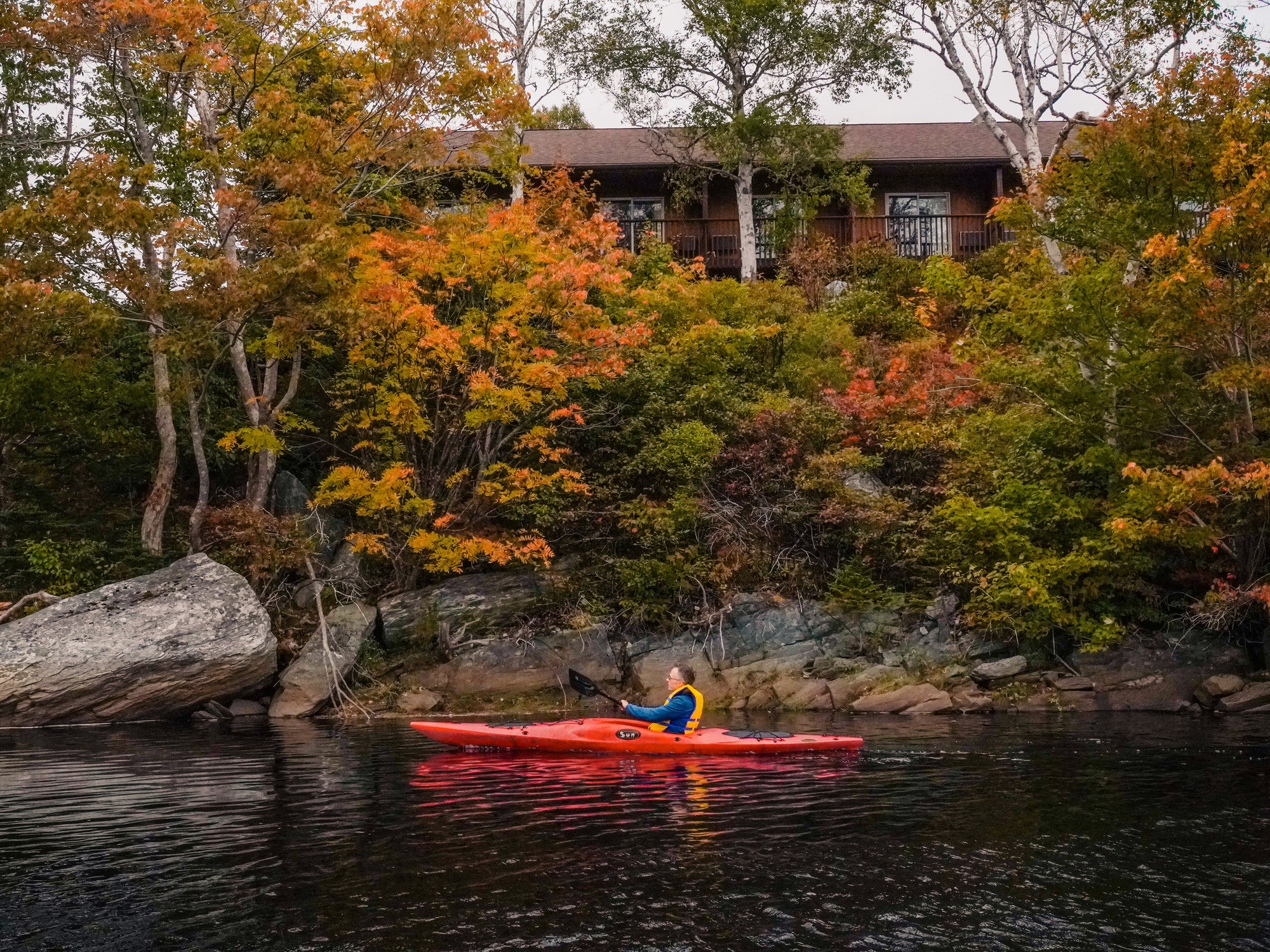

Check out the Top Places to see Fall Colours in Nova Scotia and our detailed guide of 100+ leaf peeping spots.
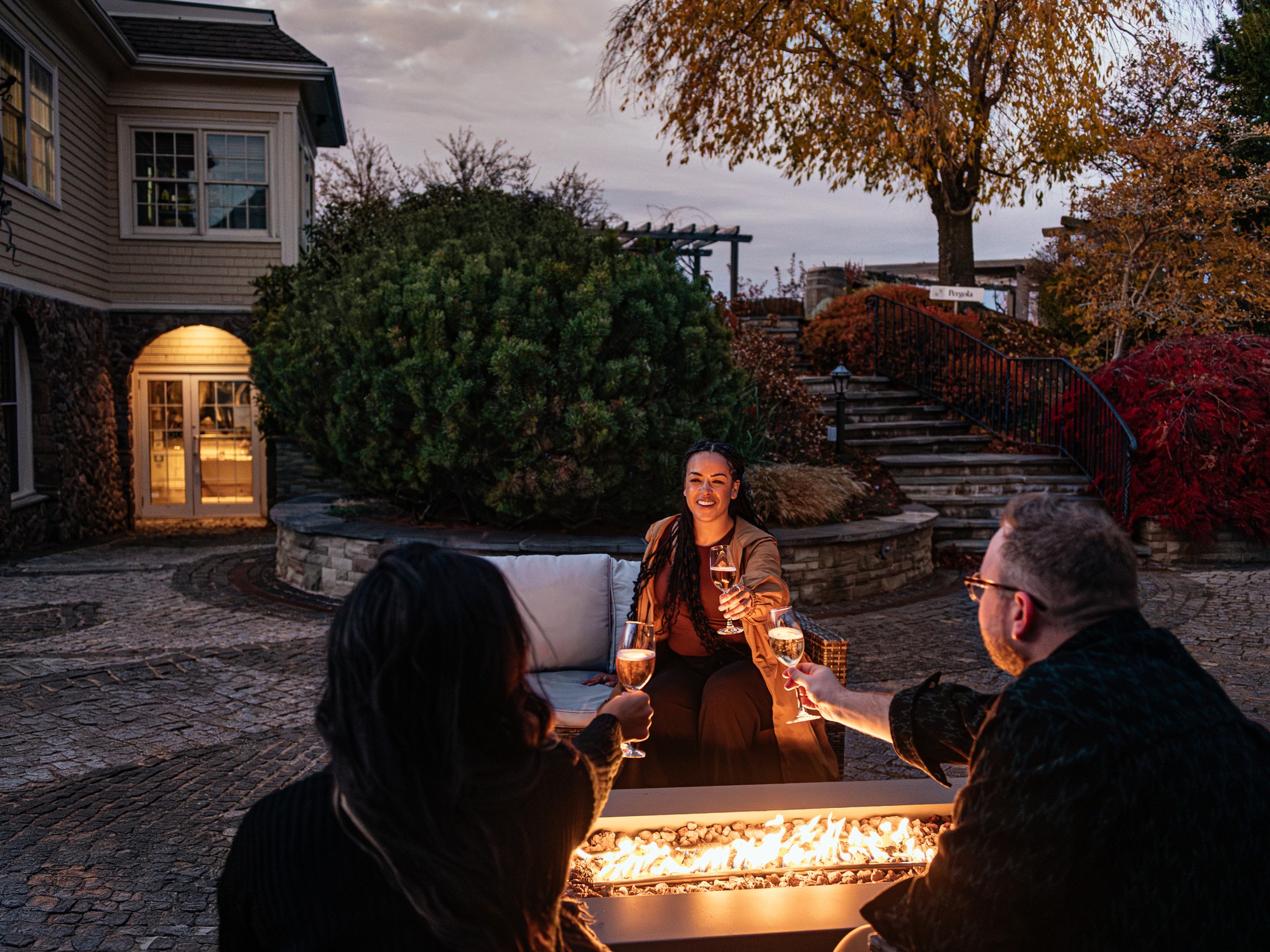
Your next great stay is here. Add scenic oceanfront rooms, swoon-worthy vineyard stays, or glamping domes made for stargazing to your playlist.
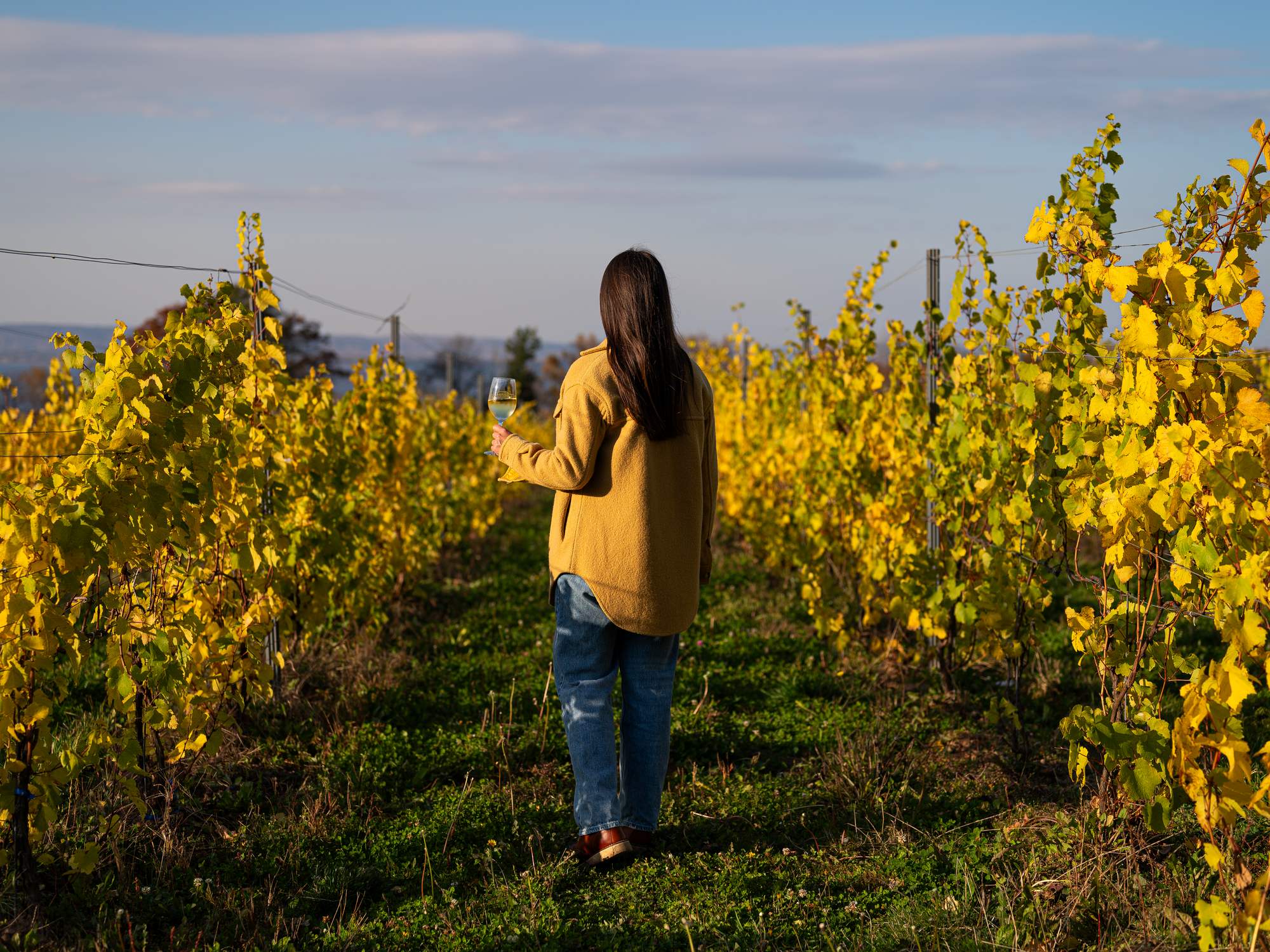
Thirsty for a great playlist? Celebrate Nova Scotia drinks with wine tours, craft beer tastings, guided food & drink pairings, and more.
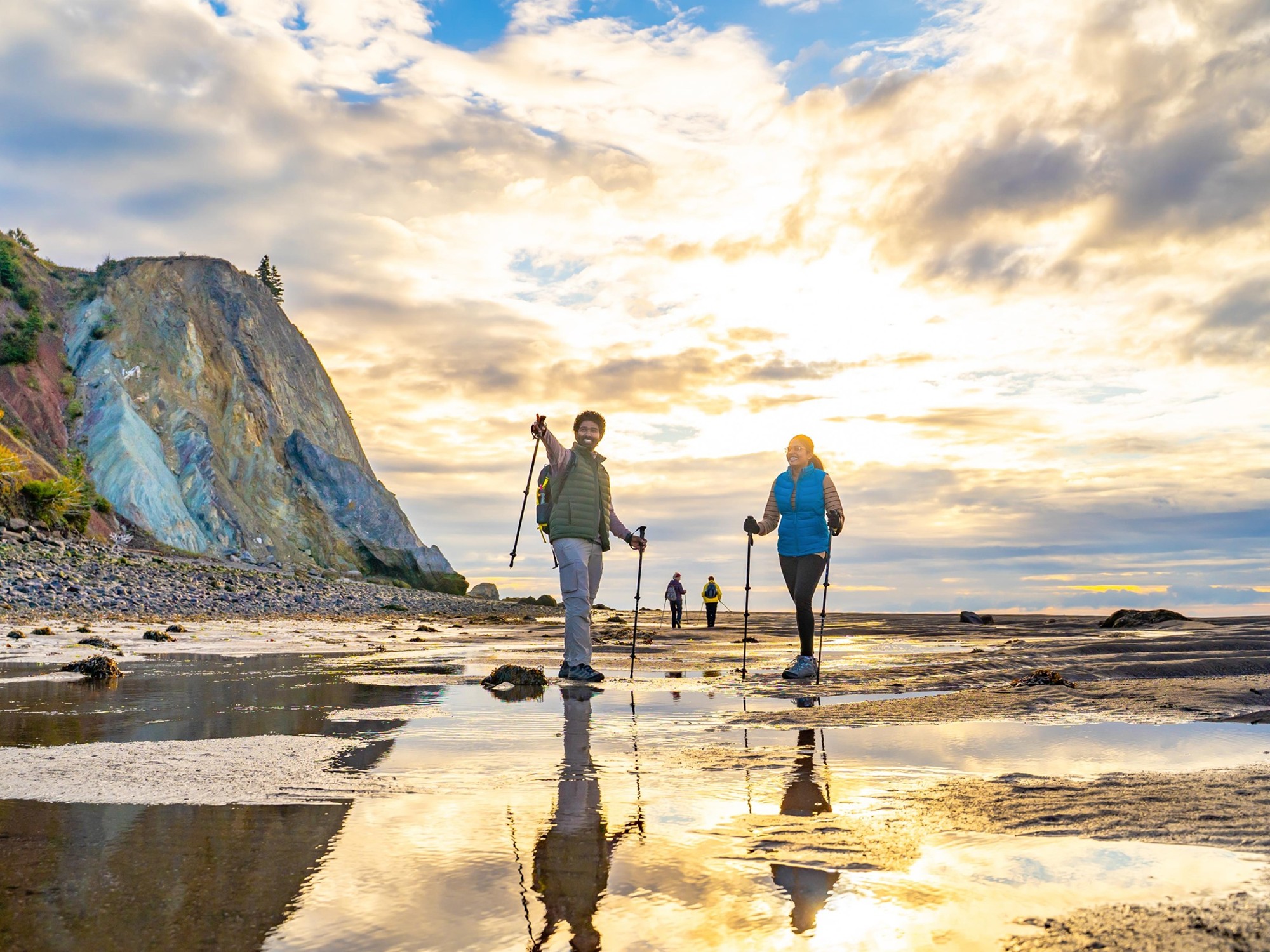
Nova Scotia’s chefs, artisans, hosts, and guides can't wait to welcome you. Add ranch tours, craft sessions, guided hikes, and more to your playlist.

Private chef-led dinners. Chocolate tastings. Farm-to-table meals where you meet the farmer. Add Nova Scotia culinary experiences to your playlist.

Make your playlist a work of art. Create pottery by the sea, join a Celtic cèilidh, take part in an Indigenous glass art workshop, and more.

Tag your travel photos to be featured.
