Skip to Content
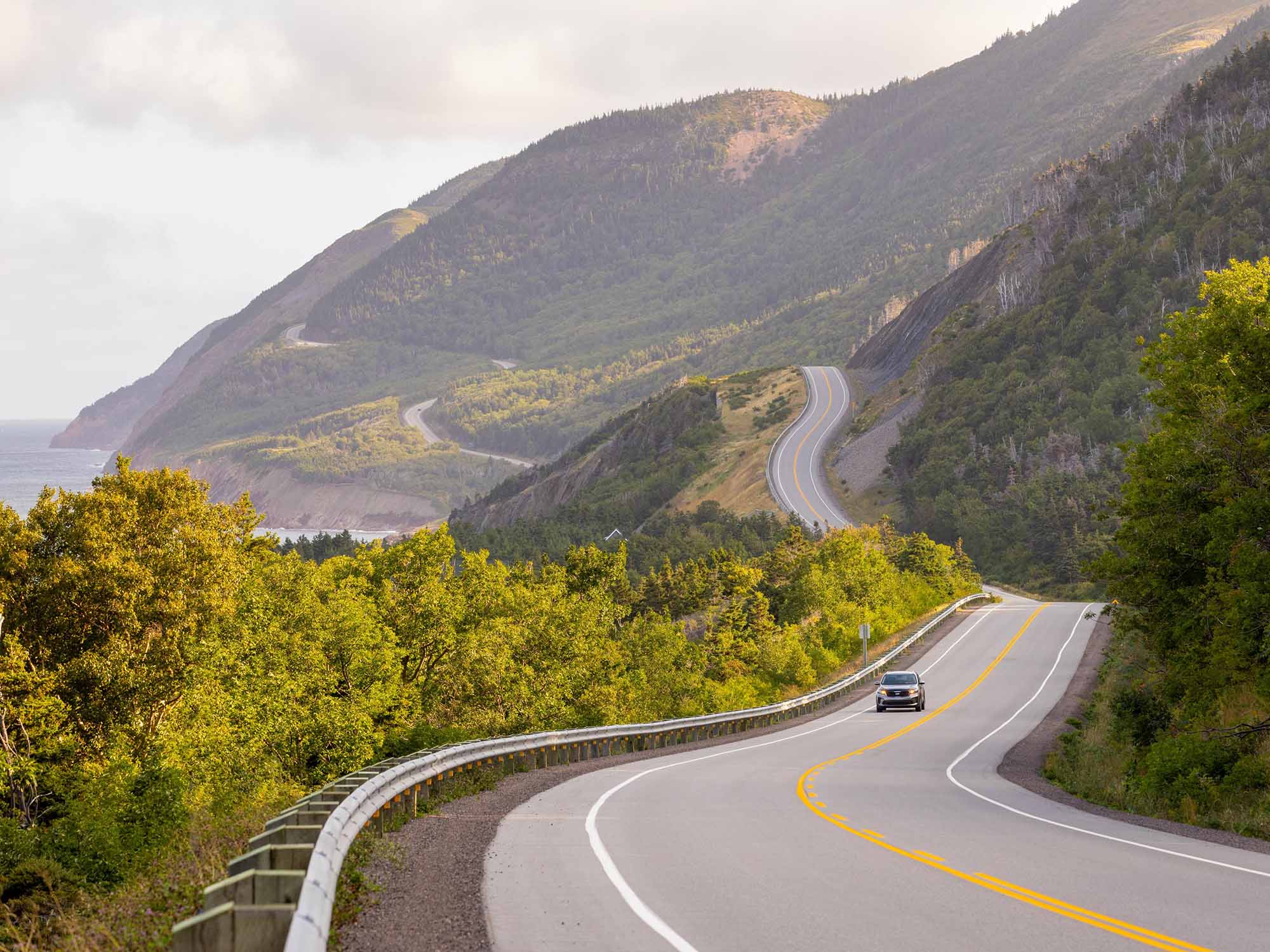
A car driving on the west side of the Cabot Trail within the Cape Breton Highlands National Park in the summertime in Cape Breton, Nova Scotia

Explore the Cabot Trail

What is the Cabot Trail?

The Cabot Trail is one of Nova Scotia’s most iconic travel experiences, winding 298 kilometres (185 miles) through parts of Cape Breton Island and Cape Breton Highlands National Park. Known for its dramatic coastal views, rolling highland landscapes, hiking trails, beaches, and communities along the route, it is one of Canada’s most celebrated road trips. Visitors can enjoy scenic drives, whale watching, golf, local food, artisan shops, and outdoor adventures while exploring the trail.

When is the best time to visit the Cabot Trail?

The best time to visit the Cabot Trail depends on the experience you’re looking for. Summer is ideal for hiking in Cape Breton Highlands National Park, whale watching, beaches, and scenic drives. Fall, especially from late September through mid-October, is popular for colourful foliage and cooler hiking weather. Spring offers fewer visitors and seasonal blooms, while winter brings skiing, snowshoeing, and snowmobiling opportunities. Keep in mind that some attractions, accommodations, and services along the trail operate seasonally.
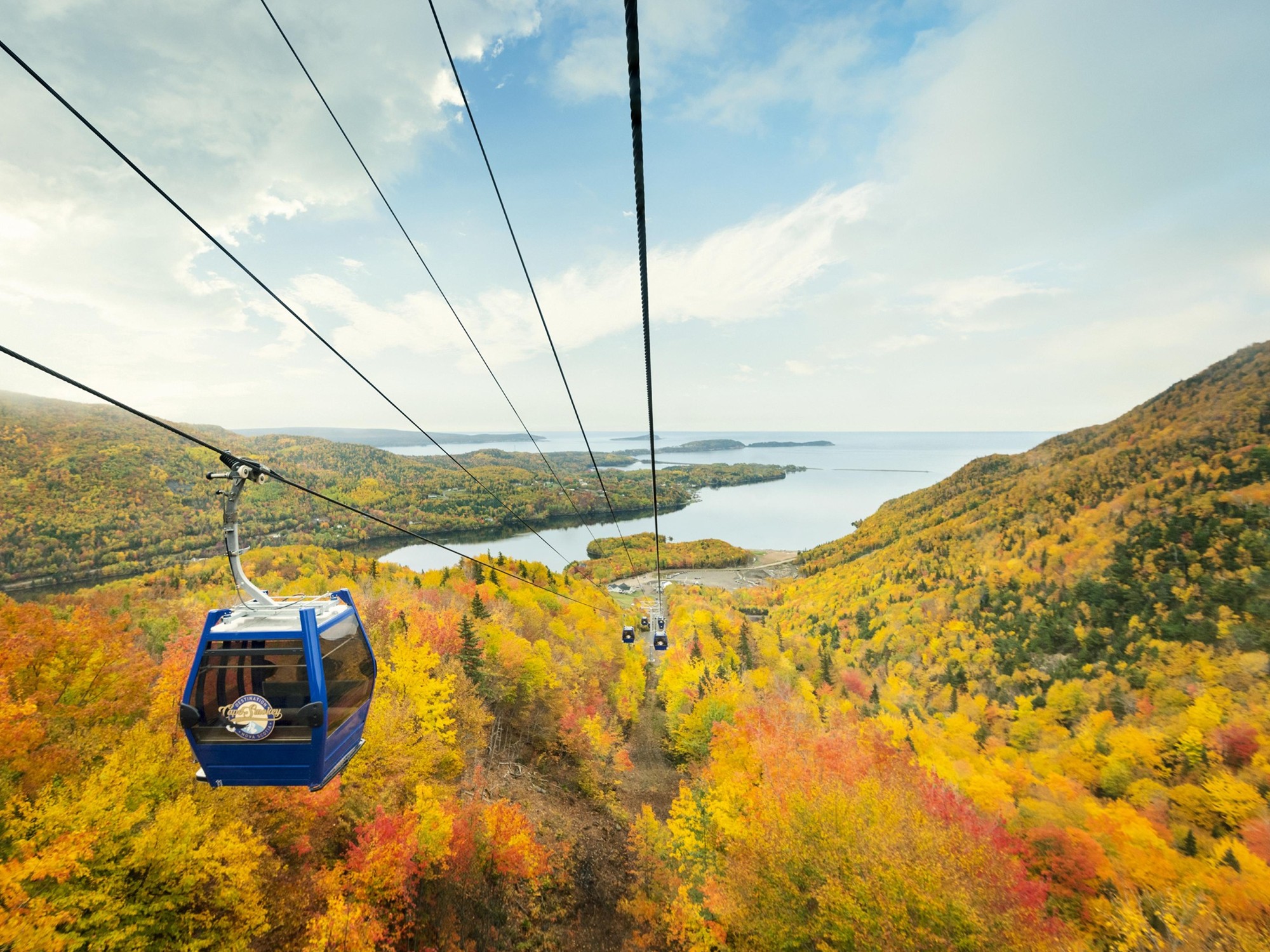
A blue gondola travels up a mountainside with fall colours on the trees below at Cape Smokey, Nova Scotia
Gondola at Cape Smokey

Cabot Trail Frequently Asked Questions

Most visitors spend five to seven hours driving the Cabot Trail loop without major stops. However, a full day is recommended to enjoy the scenery, viewpoints, hiking trails, beaches, and communities along the route. Many travellers spend two to three days on the Cabot Trail to experience Cape Breton Highlands National Park, local culture, outdoor activities, and attractions at a more relaxed pace.

Yes, you can drive the Cabot Trail in one day, but most visitors choose to spend two to three days exploring it. Driving the full loop without extended stops takes several hours, but the Cabot Trail is best experienced by allowing time for hiking, sightseeing, wildlife viewing, local restaurants, beaches, cultural attractions, and communities such as Chéticamp, Ingonish, Pleasant Bay, and Baddeck. If you only have one day, focus on the scenic lookoffs and a few key attractions rather than trying to see everything.

The Cabot Trail is filled with scenic viewpoints, hiking trails, beaches, and coastal communities. Some of the most popular stops include Cape Breton Highlands National Park, the Skyline Trail near Chéticamp, the Bog Trail, Pleasant Bay, Ingonish Beach, Lakies Head, Neils Harbour, the Cabot Trail lookoffs, and the Alexander Graham Bell National Historic Site in Baddeck. Visitors can also enjoy whale watching, golf at Cape Breton Highlands Links, local Acadian and Gaelic culture, and fresh seafood along the route.

The best stops depend on your interests. Hikers often prioritize the Skyline Trail and other national park trails, while photographers seek out coastal lookoffs, beaches, and dramatic cliffs overlooking the Gulf of St. Lawrence and Atlantic Ocean.

The Cabot Trail offers more than a scenic drive. Expect coastal views, mountain landscapes, hiking in Cape Breton Highlands National Park, beaches, local culture, and fresh seafood. Drive times can be longer than expected due to winding roads, lookout stops, changing weather, and heavier traffic during peak summer months. Services, including gas stations, are limited within the national park, so it’s a good idea to fill up in Chéticamp or Ingonish before continuing your journey. Cell service can also be unreliable in some areas. For the best experience, allow multiple days to explore rather than rushing through in a single day.

Yes. The Cabot Trail is widely considered one of the most scenic drives in Canada and one of Nova Scotia’s must-see experiences. The route winds through Cape Breton Highlands National Park and connects dramatic coastal cliffs, mountain lookoffs, hiking trails, beaches, fishing communities, cultural attractions, and wildlife-viewing opportunities. Visitors can experience ocean and highland scenery on the same drive, with stops in communities such as Chéticamp, Pleasant Bay, Ingonish, and Baddeck.

Yes, it’s possible to experience the Cabot Trail without a car, but having your own vehicle offers the most flexibility. Visitors can join guided sightseeing tours departing from Baddeck, Halifax, and other communities around Cape Breton Island, including Jeep tours and guided day trips. However, a car remains the easiest way to explore the Cabot Trail at your own pace, with access to scenic lookoffs, hiking trails, beaches, and communities such as Chéticamp, Pleasant Bay, Ingonish, and Baddeck.

Many travellers choose Baddeck, Ingonish, or Chéticamp as their base along the Cabot Trail. Baddeck offers a central location and attractions such as the Alexander Graham Bell National Historic Site. Ingonish provides easy access to beaches, scenic lookoffs, and hiking, while Chéticamp is known for Acadian culture, local food, and access to the Skyline Trail and whale watching tours.

The Cabot Trail is located on Cape Breton Island in northeastern Nova Scotia and is most often accessed by car. The scenic loop winds through Cape Breton Highlands National Park and communities including Baddeck, Chéticamp, Pleasant Bay, and Ingonish. Guided sightseeing tours are also available from Halifax and Cape Breton. Drive times can be longer than expected due to winding roads, lookout stops, wildlife, and changing weather, so allow extra time to enjoy the journey.

Related Blogs

Visit Our Blog
Cape Breton Discoveries

Cape Breton Discoveries

From craft breweries, a winery, and North America’s first single malt whisky distillery to browsing the many inventions created here by famed inven…

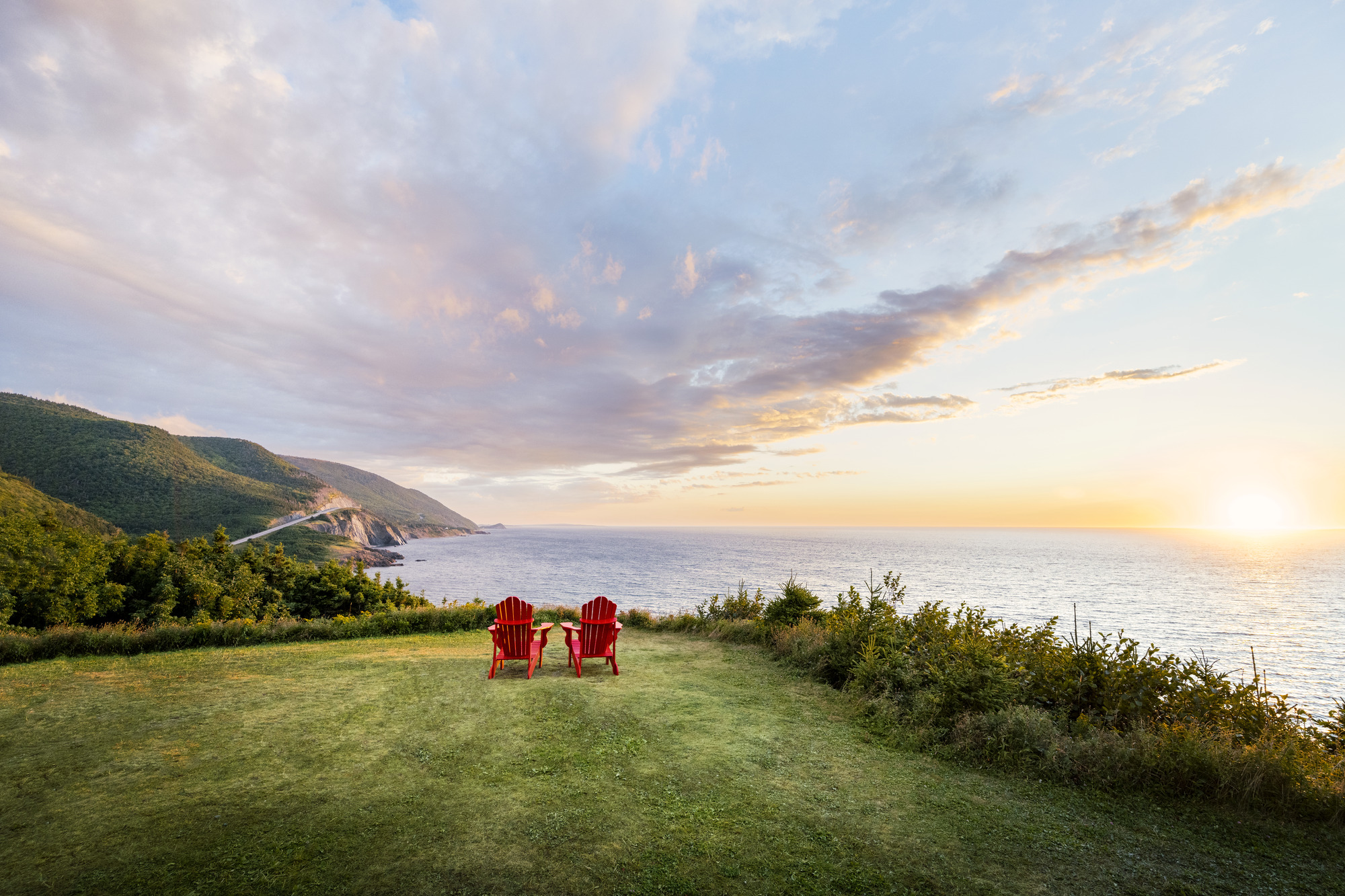
The sun sets on the Cabot Trail in Cape Breton

Tag your travel photos to be featured

Back to top