
Skyline Trail – Cape Breton Highlands National Park
From May 15 to October 25
Cape Breton Island, Cape Breton Highlands National Park (Cheticamp side)
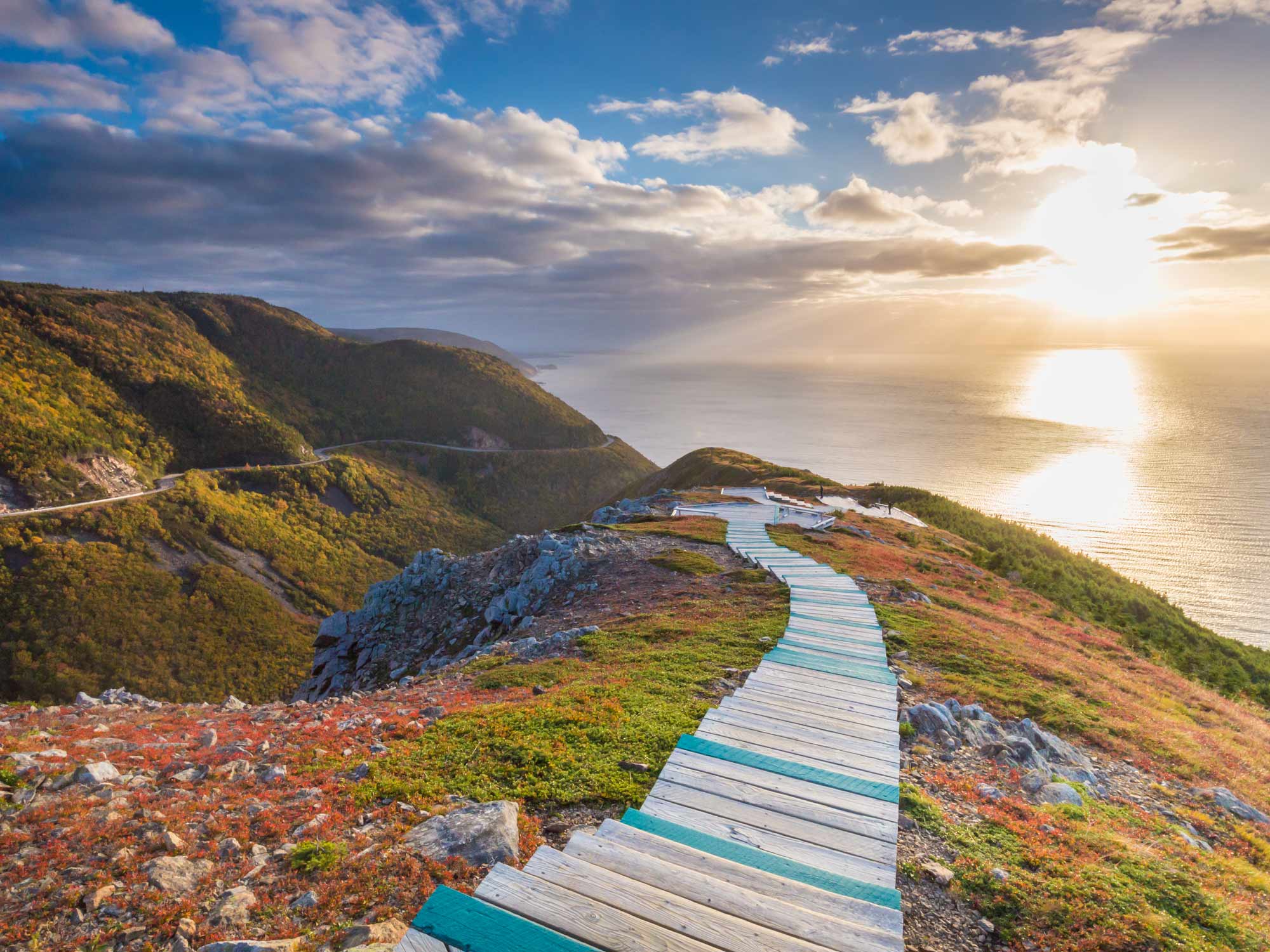
Cape Breton Highlands National Park is one of Nova Scotia’s most iconic attractions, where the mountains meet the ocean along the world-famous Cabot Trail. Covering 950 km² of protected wilderness, the park is known for its dramatic coastal cliffs, breathtaking lookoffs, sandy beaches, abundant wildlife, and 26 hiking trails, including favourites like the Skyline Trail and Franey Trail. Visitors come to experience some of the most spectacular scenery in Canada while discovering Mi’kmaw, Acadian, and Gaelic connections to the landscape.
Yes. Cape Breton Highlands National Park is widely considered one of the highlights of both Cape Breton Island and Nova Scotia. Its combination of mountain landscapes, ocean views, hiking trails, beaches, wildlife, and scenic drives makes it one of the most memorable destinations along the Cabot Trail. Whether you’re looking for an easy coastal walk or a challenging hike, there are experiences for every type of traveller.
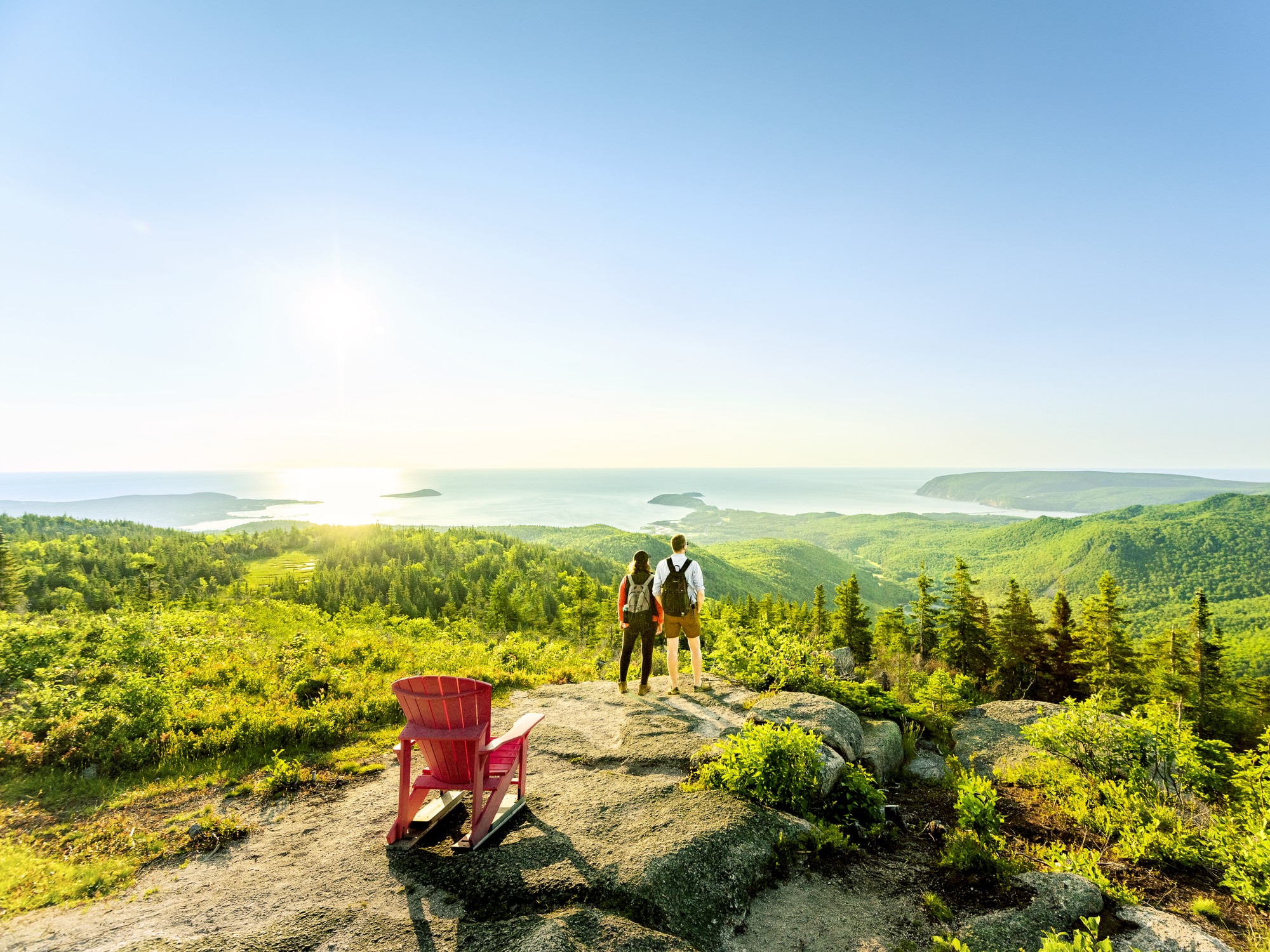
Late spring through fall offers the widest range of experiences. Summer is ideal for hiking, camping, beaches, wildlife viewing, and interpretive programs, while fall is especially popular for autumn colours and Cabot Trail scenery. Full visitor services are typically available from mid-May through mid-October, although the park and Cabot Trail are open year-round.
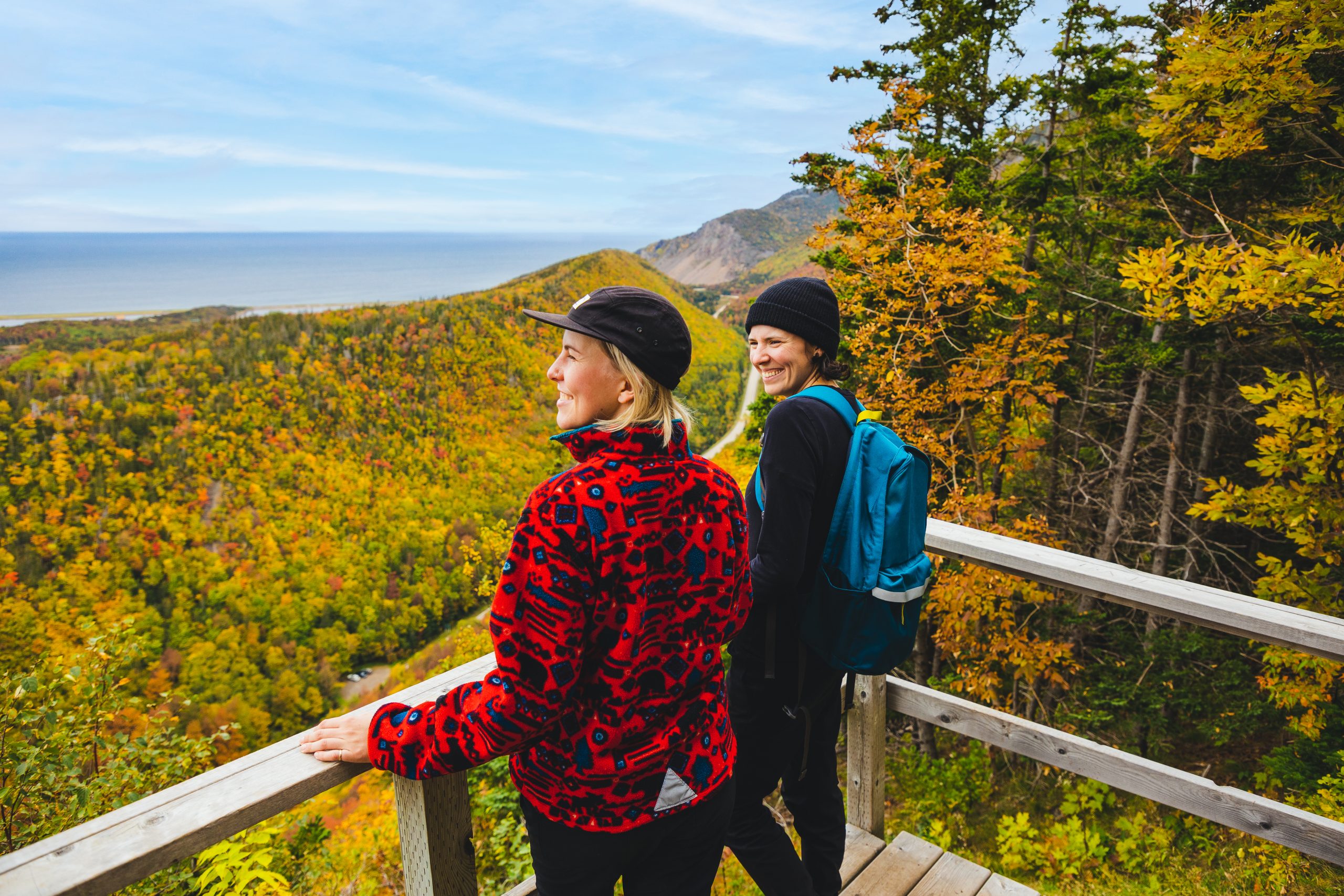
The following trails are under 2km and great for family walks: Le Buttereau Trail, Bog Trail, Freshwater Lake Trail, MacIntosh Brook Trail

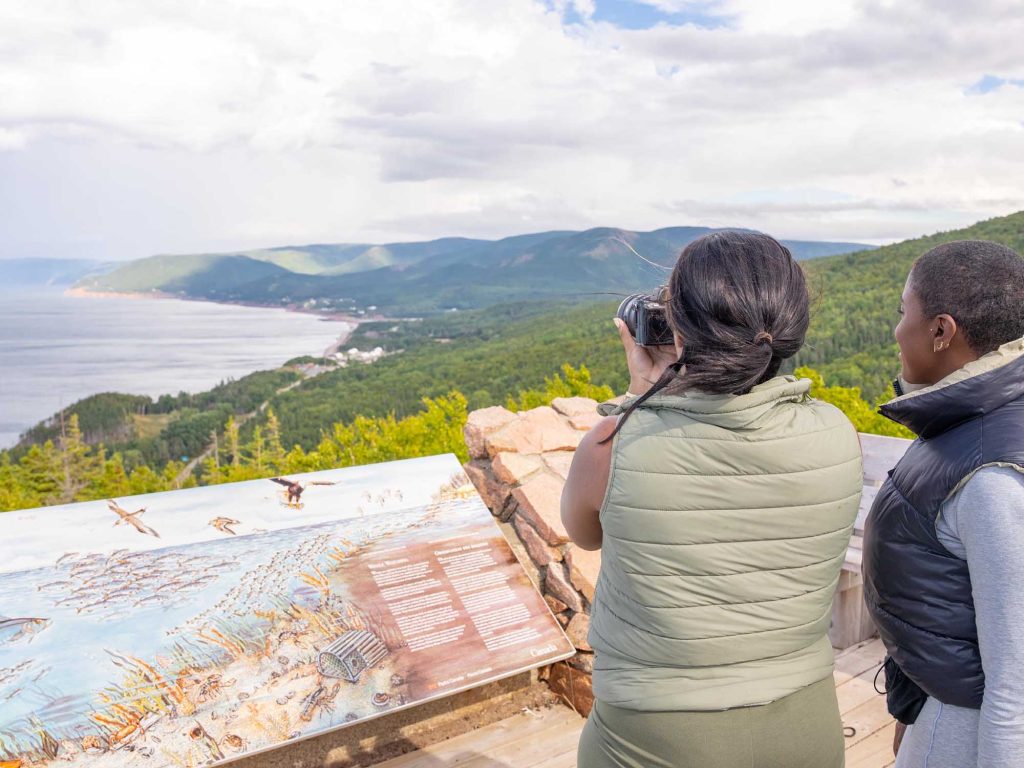
The park is located in northern Cape Breton Island along the Cabot Trail and can be accessed from either Chéticamp on the west side or Ingonish on the east side. The Cabot Trail runs through the park and provides access to its major trailheads, beaches, lookoffs, and visitor facilities.

Expect dramatic scenery, changing weather, and a wide variety of outdoor experiences. The park includes mountains, forests, rivers, waterfalls, beaches, wildlife viewing opportunities, hiking trails, lookoffs, campgrounds, and cultural stories connected to Mi’kmaw, Acadian, and Gaelic communities. Wildlife such as moose may be encountered, and weather conditions can change quickly, even during summer months.

The park is busiest during the summer and fall tourism seasons, particularly on popular trails such as Skyline Trail and Franey Trail. Parks Canada notes that Franey Trail is busiest between 11:00 a.m. and 4:00 p.m., especially on weekends and holidays. Spring, late fall, and quieter times of day generally offer fewer crowds.
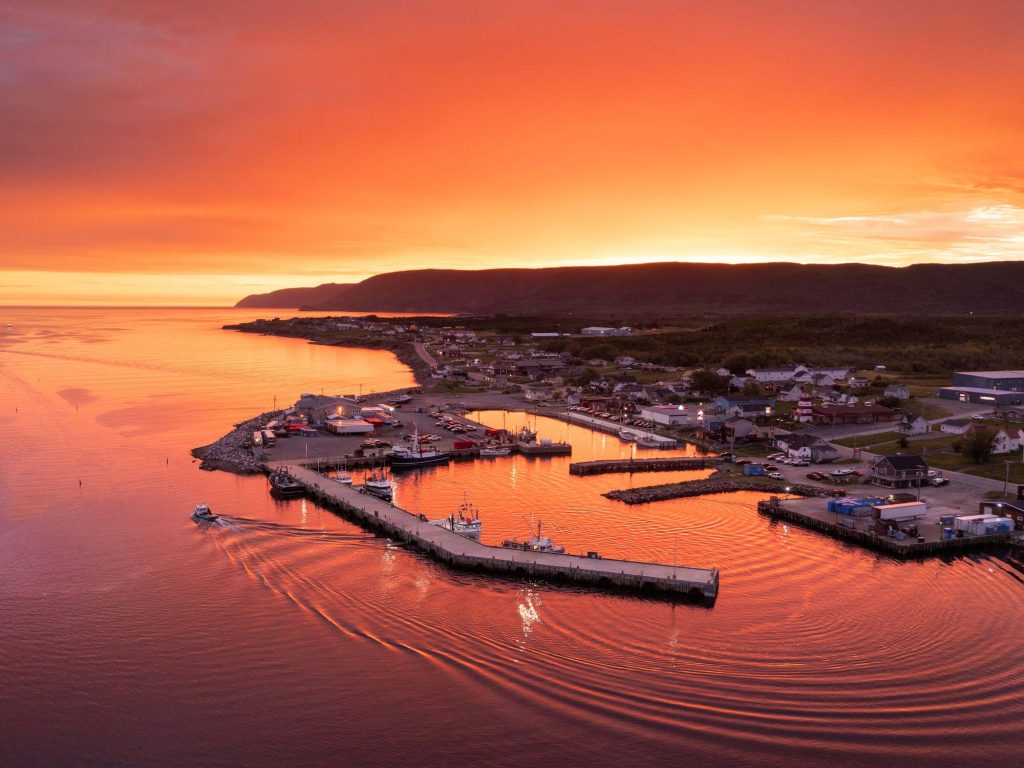
The park is surrounded by some of Cape Breton Island’s most popular communities and attractions, including Chéticamp, Ingonish, the Cabot Trail, Cape Smokey, Acadian cultural experiences, beaches, golf courses, restaurants, whale watching tours, and coastal communities throughout northern Cape Breton.

From May 15 to October 25

From May 17 to October 27

From May 15 to October 25

From May 16 to October 26

From May 15 to October 25

From May 15 to October 25

From May 15 to October 25

From May 15 to October 25

From June 12 to October 12

From May 15 to October 25

From May 15 to October 25

From May 15 to October 25

From June 12 to October 12

From May 15 to October 25

From May 15 to October 25

From May 15 to October 25

From May 15 to October 25

From May 15 to October 25

From May 15 to October 25

From May 15 to October 25

From May 15 to October 25

From May 15 to October 25
This page was created by Tourism Nova Scotia, the official source for travel information and trip planning in Nova Scotia. Content is informed by local knowledge, destination expertise, and information from tourism operators and communities across the province.
