
Discover Nova Scotia Through Arts and Culture Fall Getaways
Make your playlist a work of art. Create pottery by the sea, join a Celtic cèilidh, take part in an Indigenous glass art workshop, and more.
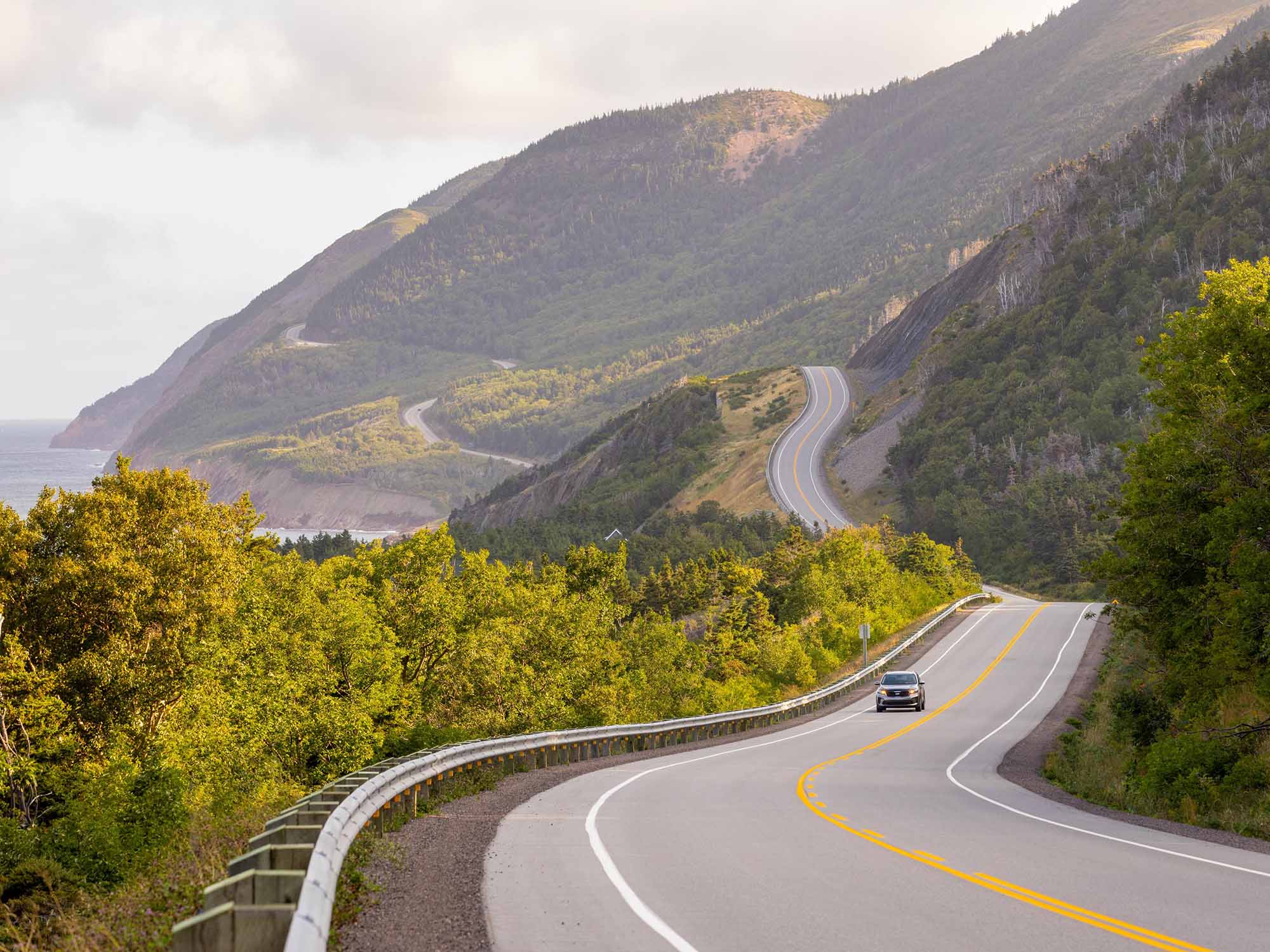
Your guide to choosing between Chéticamp, Ingonish, Baddeck, and other Cabot Trail home bases.
The best places to stay on Nova Scotia’s Cabot Trail are Chéticamp, Ingonish, and Baddeck. For most travellers, the best approach is to stay in two locations rather than one, typically splitting your trip between Chéticamp on the western side of the trail and Ingonish on the eastern side. This two-base strategy reduces driving time and puts you closer to top attractions such as Skyline Trail, Cape Breton Highlands National Park, Cape Smokey, Ingonish Beach, and whale watching experiences.
For most visitors, two home bases provide the best experience. While you can drive the Cabot Trail in a day, many travellers underestimate how much there is to see and do along the route. Hiking trails, beaches, lookoffs, coastal communities, restaurants, golf courses, and cultural attractions can easily turn a scenic drive into a multi-day adventure. Staying in two locations allows you to spend more time exploring and less time retracing your route.
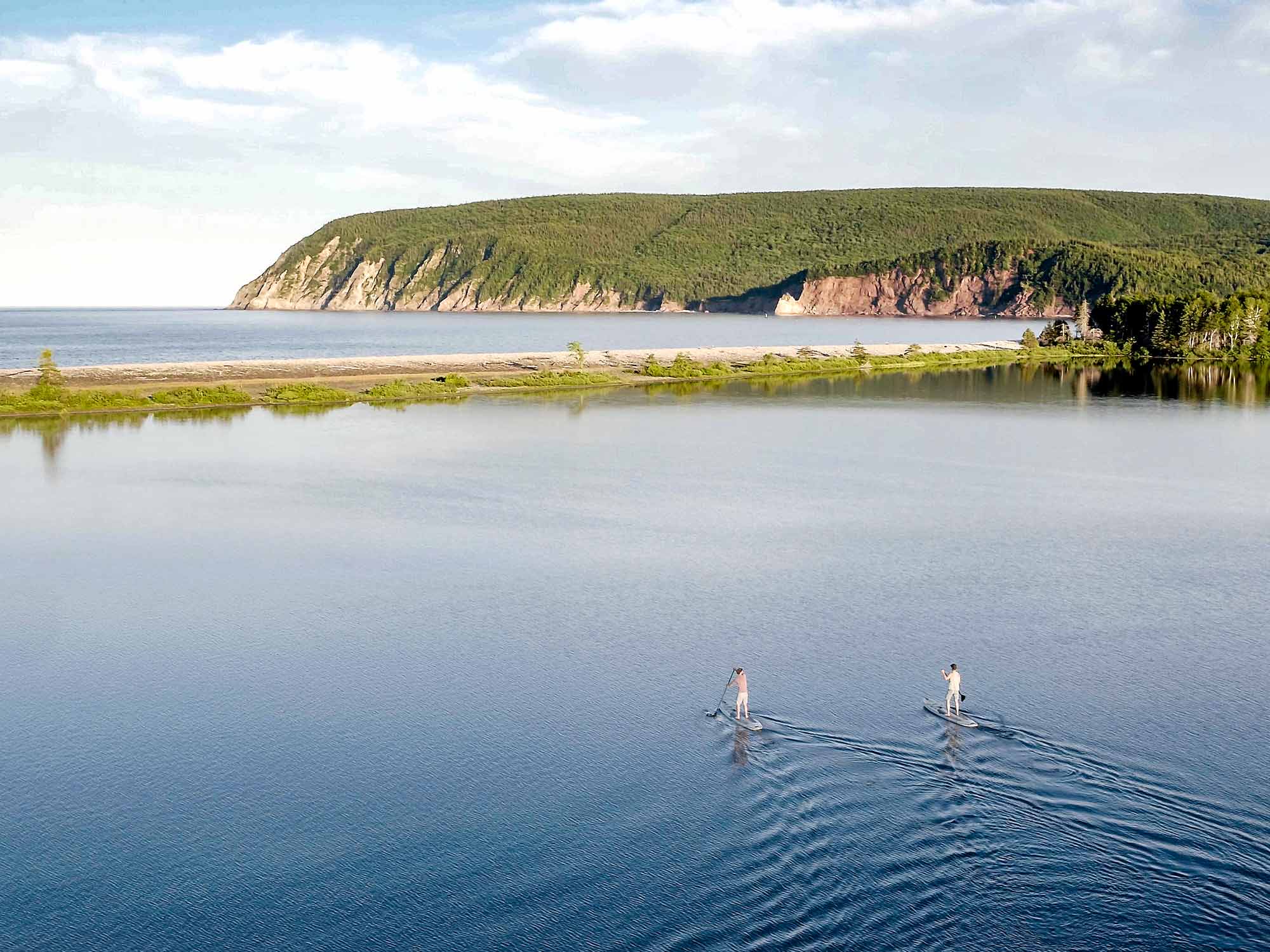
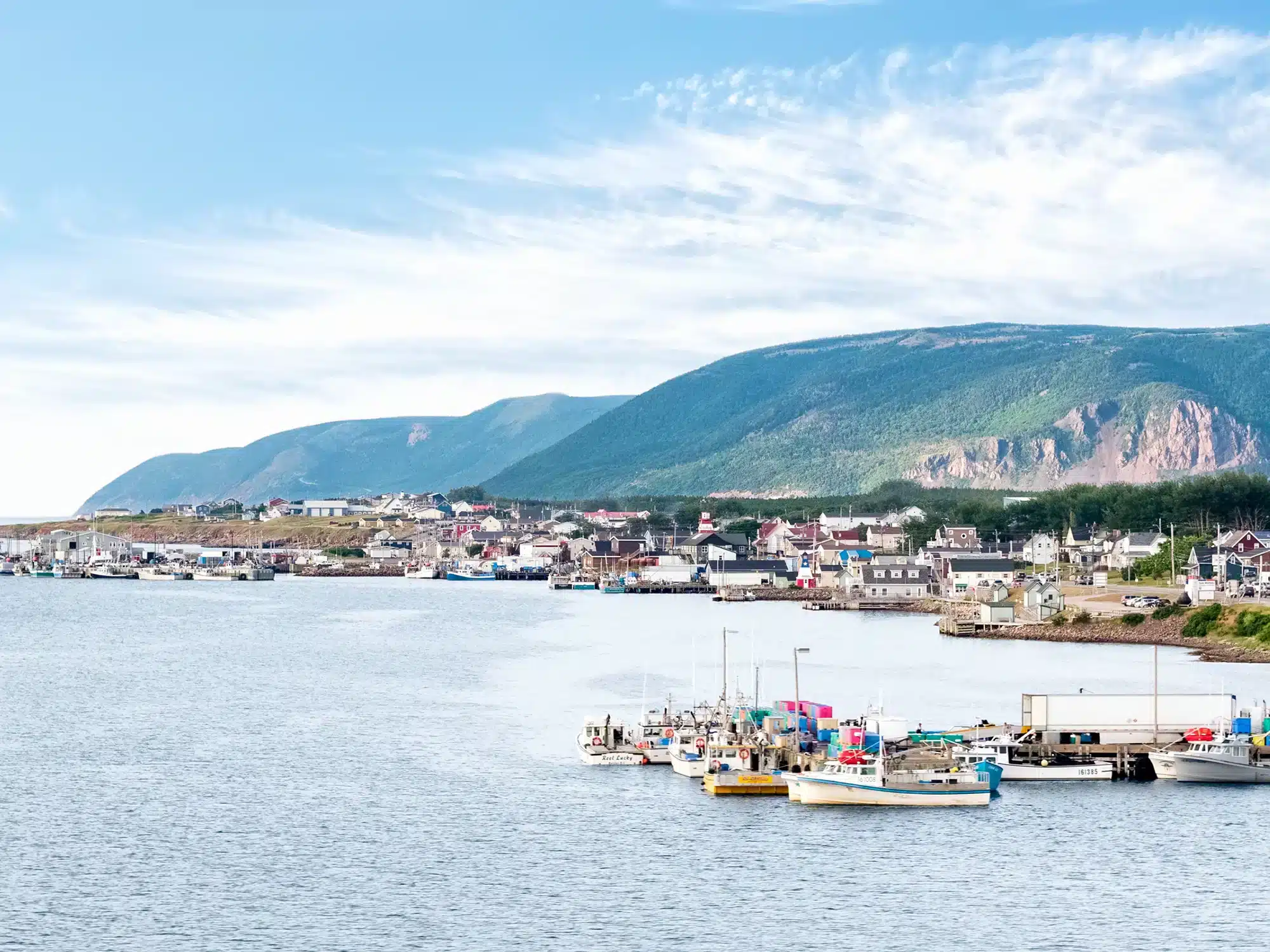
Chéticamp is one of the most popular places to stay on the Cabot Trail and a great choice for travellers who want to experience Acadian culture, coastal scenery, and outdoor adventure.
Located on the western edge of Cape Breton Highlands National Park, Chéticamp offers easy access to Skyline Trail, whale watching tours, scenic drives, local artisan shops, and fresh seafood restaurants. Accommodation options include inns, hotels, waterfront cottages, campgrounds, and bed and breakfasts.
Best for:
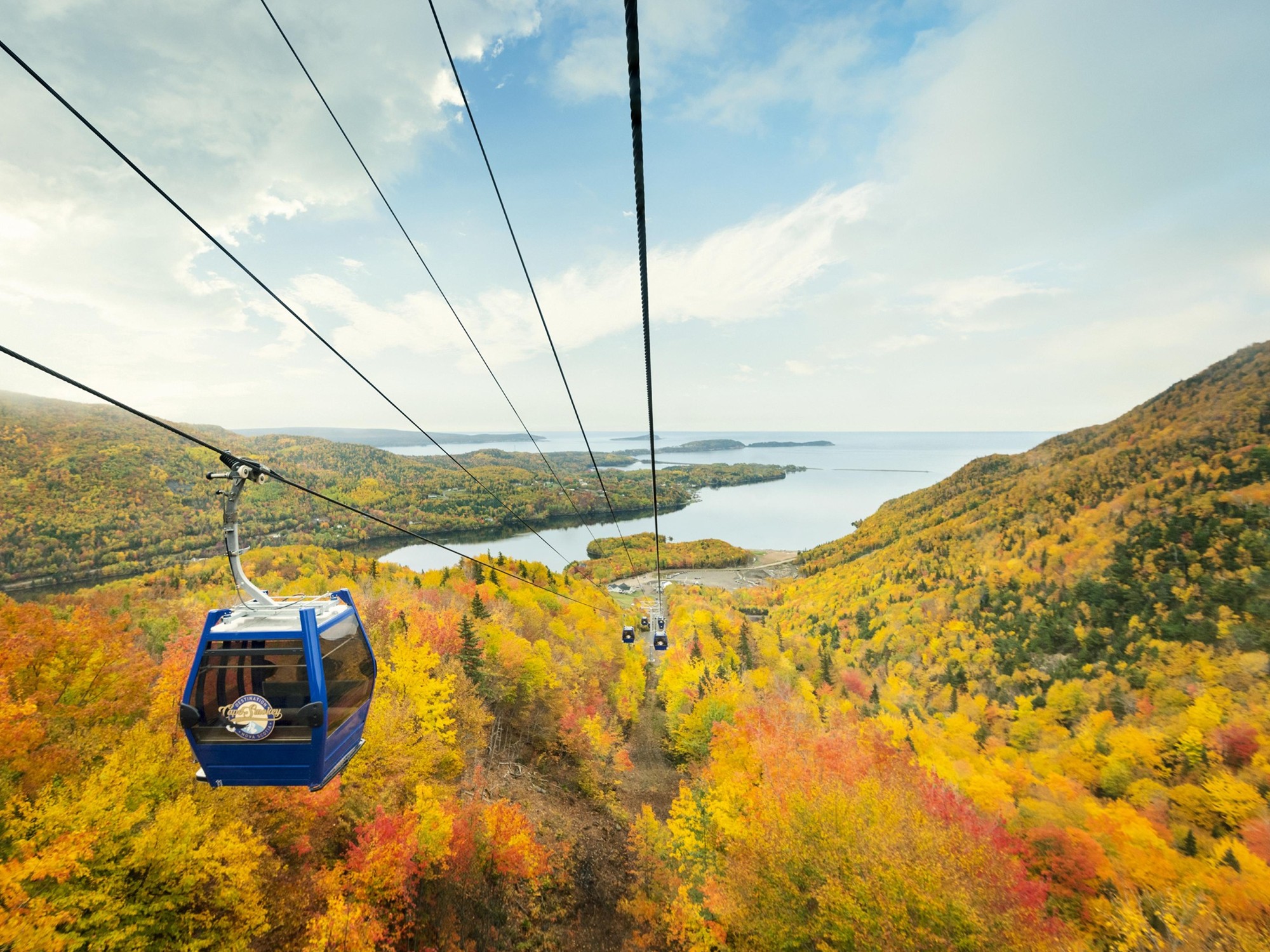
Ingonish is one of the best accommodation hubs on Nova Scotia’s Cabot Trail for travellers who want easy access to beaches, hiking trails, and outdoor activities.
The community sits near one of the main entrances to Cape Breton Highlands National Park and offers convenient access to Franey Trail, Ingonish Beach, Highlands Links Golf Course, and Cape Smokey. Visitors can choose from resorts, cottages, cabins, campgrounds, hotels, and oceanfront accommodations.
Best for:
Baddeck is often the best choice for visitors with limited time or those looking for a central base on Cape Breton Island.
Situated on the shores of the Bras d’Or Lake UNESCO Biosphere Region, Baddeck offers a walkable village atmosphere, waterfront accommodations, restaurants, and attractions such as the Alexander Graham Bell National Historic Site. It also provides convenient access to the Cabot Trail and other parts of Cape Breton Island.
Best for:
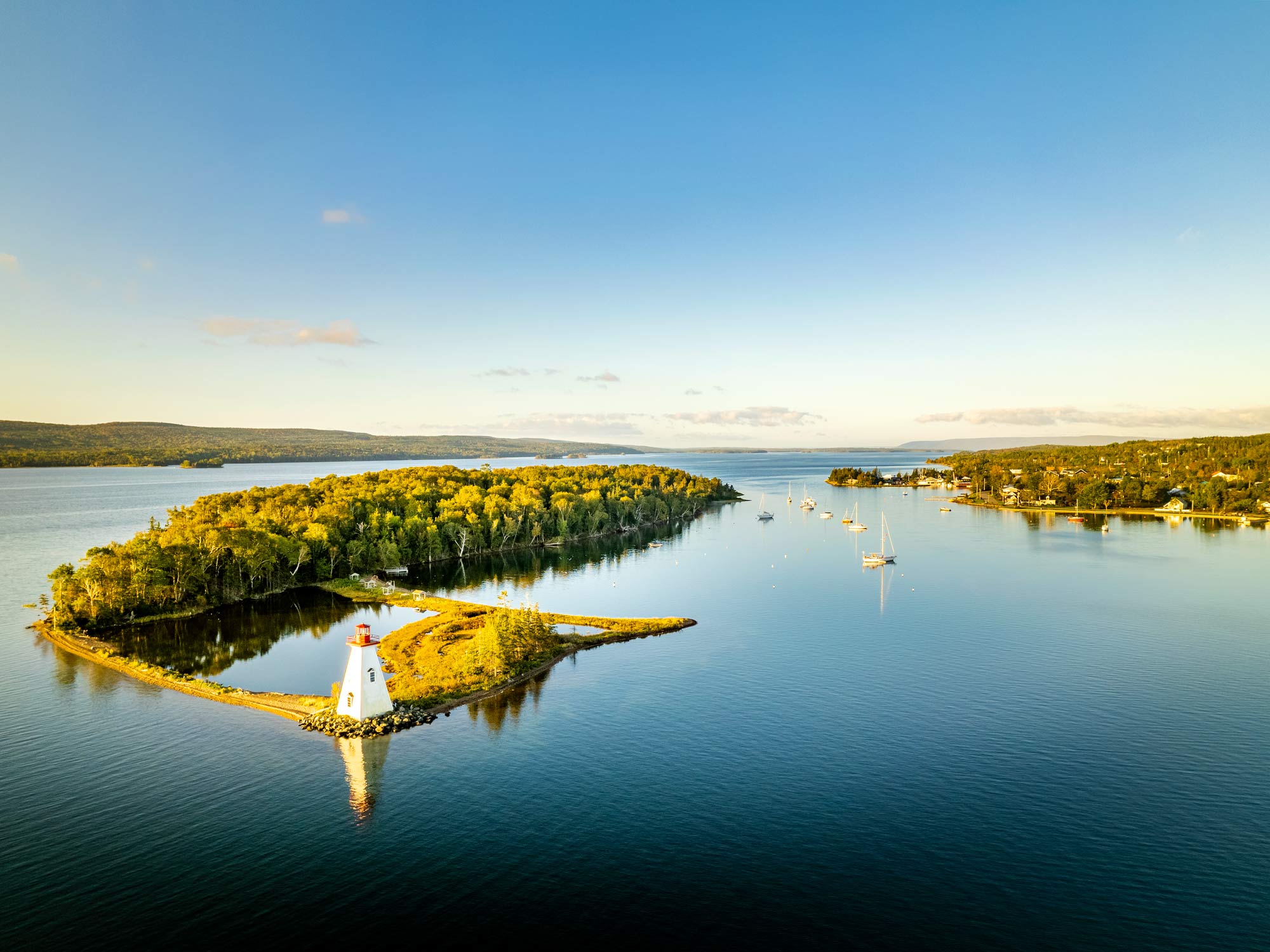
If you’re looking for dramatic coastal scenery, quieter communities, and fewer crowds, consider staying in Pleasant Bay, Cape North, Dingwall, or Meat Cove.
These communities offer some of the Cabot Trail’s most rugged landscapes, along with opportunities for kayaking, wildlife viewing, whale watching, hiking, and photography. You’ll find sweeping ocean vistas, cliffside lookoffs, and a sense of remoteness that’s increasingly rare in popular travel destinations. The trade-off is that accommodations, restaurants, and services can be more limited than in larger centres like Chéticamp, Ingonish, or Baddeck, and reaching communities such as Meat Cove involves winding roads and longer drive times that are part of the adventure.
Best for:
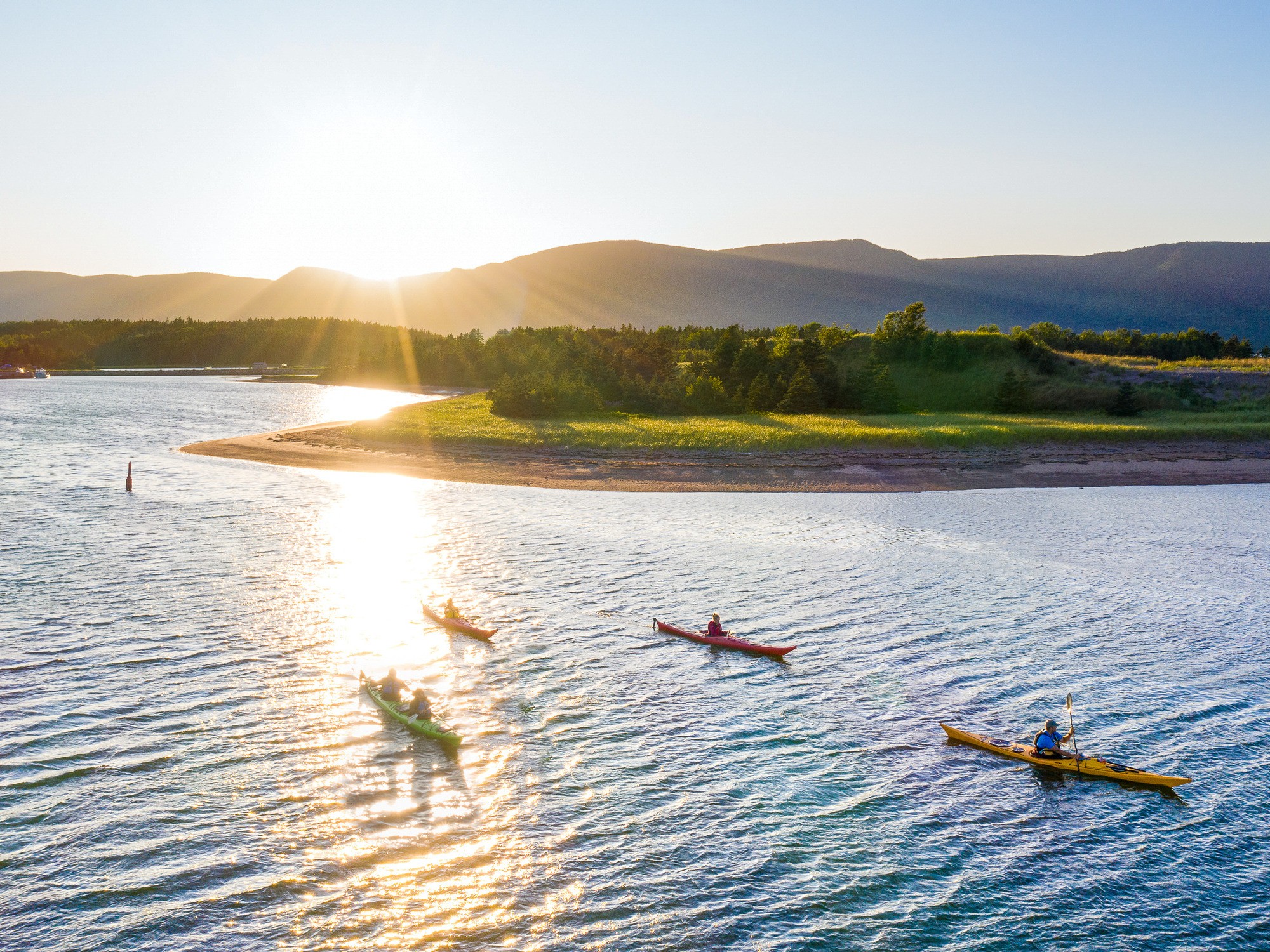
The Cabot Trail is best enjoyed at a slower pace.
Many visitors find they stop more often than expected for scenic lookoffs, beaches, hiking trails, wildlife viewing, and local attractions. Distances may look short on a map, but the journey is often part of the experience. Building flexibility into your itinerary and staying in two locations can help you make the most of your time on Cape Breton Island.
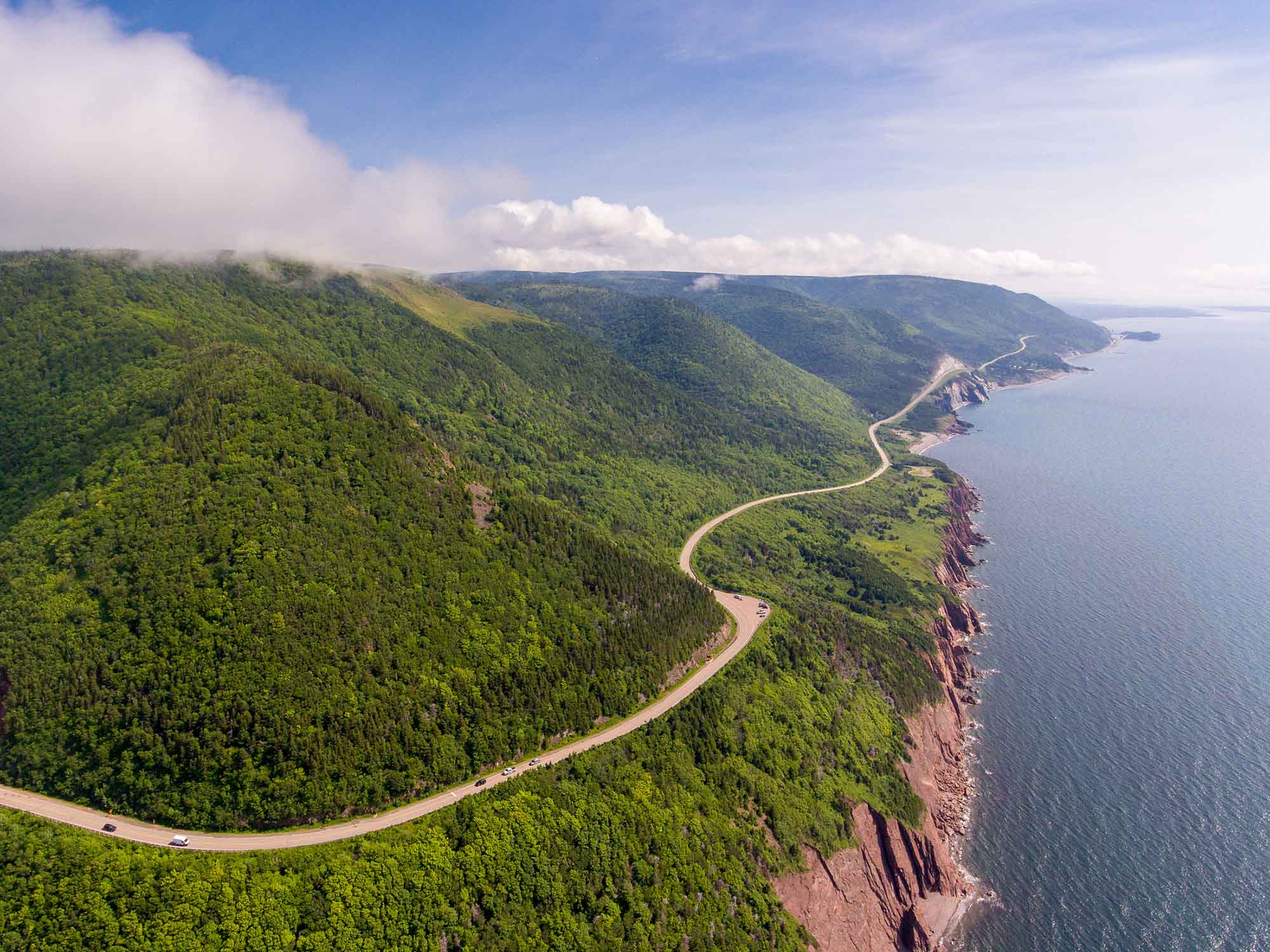

Make your playlist a work of art. Create pottery by the sea, join a Celtic cèilidh, take part in an Indigenous glass art workshop, and more.
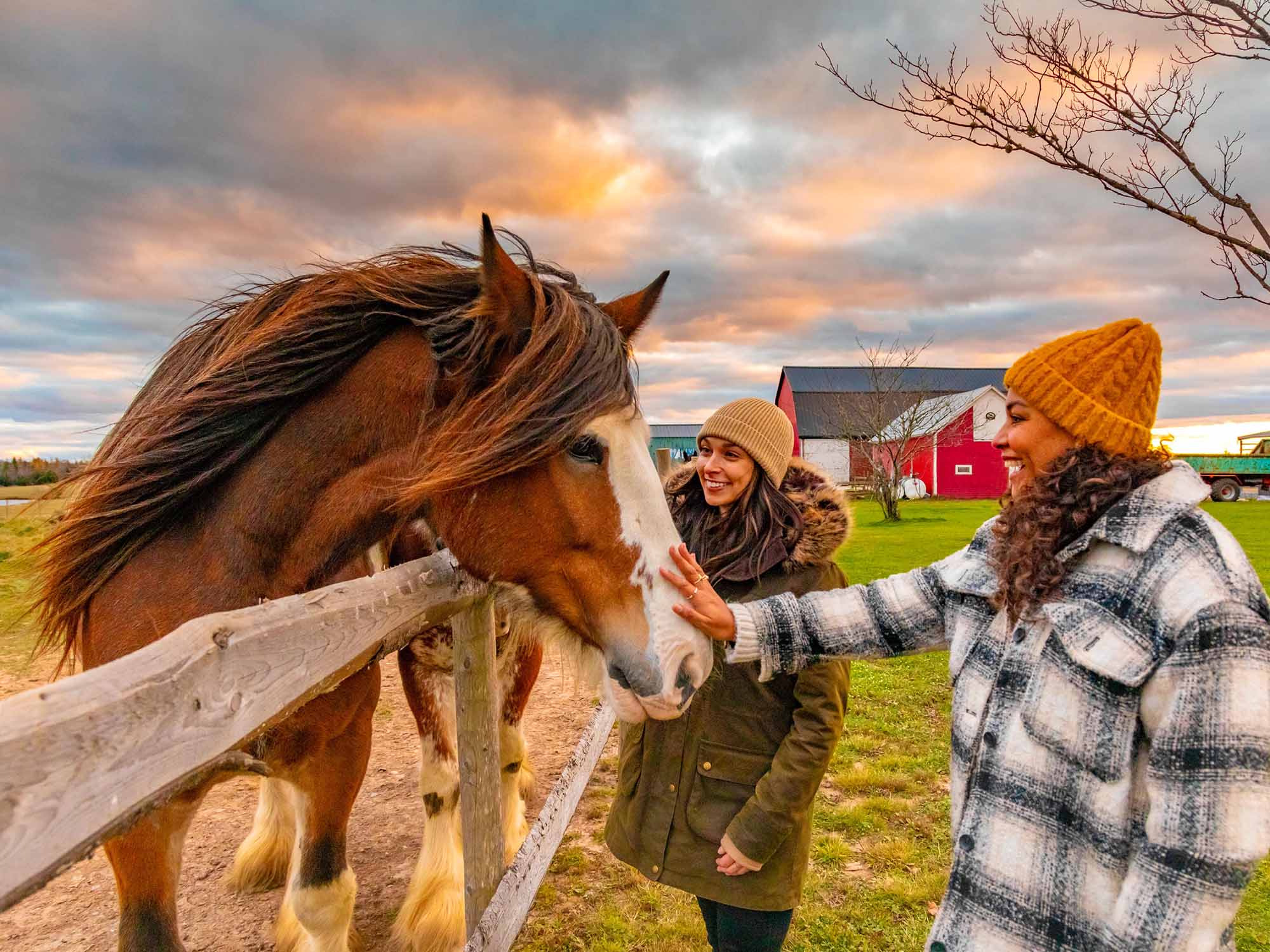
Take a deep breath...add Nova Scotia wellness experiences to your playlist. Melt the stress away with seaside retreats, spa days, and farm tours.

Whether you prefer a Jeep, an ATV, a bicycle, or an e-bike, mix Nova Scotia’s beautiful views and colours into your playlist with outdoor adventures.

When people think of Cape Breton Island, places like the Cabot Trail often steal the spotlight. But tucked along the island’s southeastern shore is...
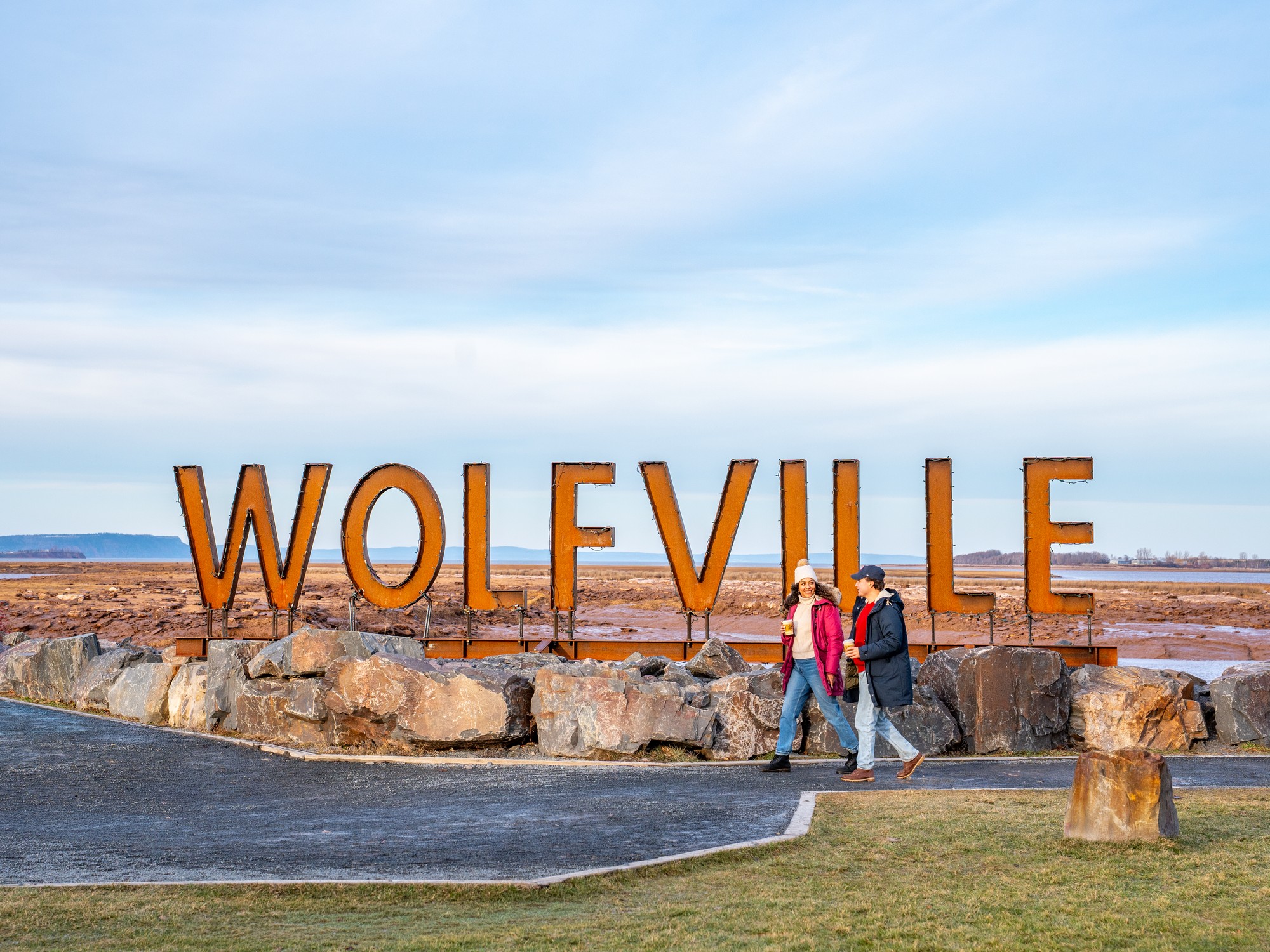
Wolfville is a year-round destination that has it all: variety and liveliness of a large city, small-town charm, unforgettable flavours, extraordin...

Tag your travel photos to be featured.
