Skip to Content
A family prepares to go for a bike ride while standing in front of otentiks at Kejimkujik National Park.

Kejimkujik National Park and National Historic Site

What is Kejimkujik National Park and National Historic Site?

Kejimkujik National Park and National Historic Site is Nova Scotia’s only national park and national historic site in one location. Known for its forests, lakes, rivers, canoe routes, Mi’kmaw cultural heritage, and dark-sky experiences, Kejimkujik offers opportunities for hiking, paddling, camping, wildlife viewing, and stargazing. Visitors can explore traditional Mi’kmaw waterways and discover ancient petroglyphs on guided tours.

Is Kejimkujik National Park and National Historic Site worth the trip?

Yes. Kejimkujik offers a different experience from many of Nova Scotia’s coastal destinations. Visitors come for wilderness, paddling, wildlife, hiking, camping, dark skies, and Mi’kmaw cultural history. The combination of protected forests, lakes, rivers, petroglyphs, and coastal landscapes makes it one of Nova Scotia’s most unique outdoor destinations.

woman canoeing on a lake at Kejimkujik National Park
Canoeing at Kejimkujik National Park and National Historic Site

When is the best time to visit Kejimkujik National Park and National Historic Site?

Late spring through fall offers the widest range of activities and visitor services. Summer is particularly popular for canoeing, kayaking, camping, hiking, and stargazing, while fall brings cooler temperatures and autumn colours. Both Kejimkujik National Park and National Historic Site and Kejimkujik Seaside are open year-round, although services vary by season.
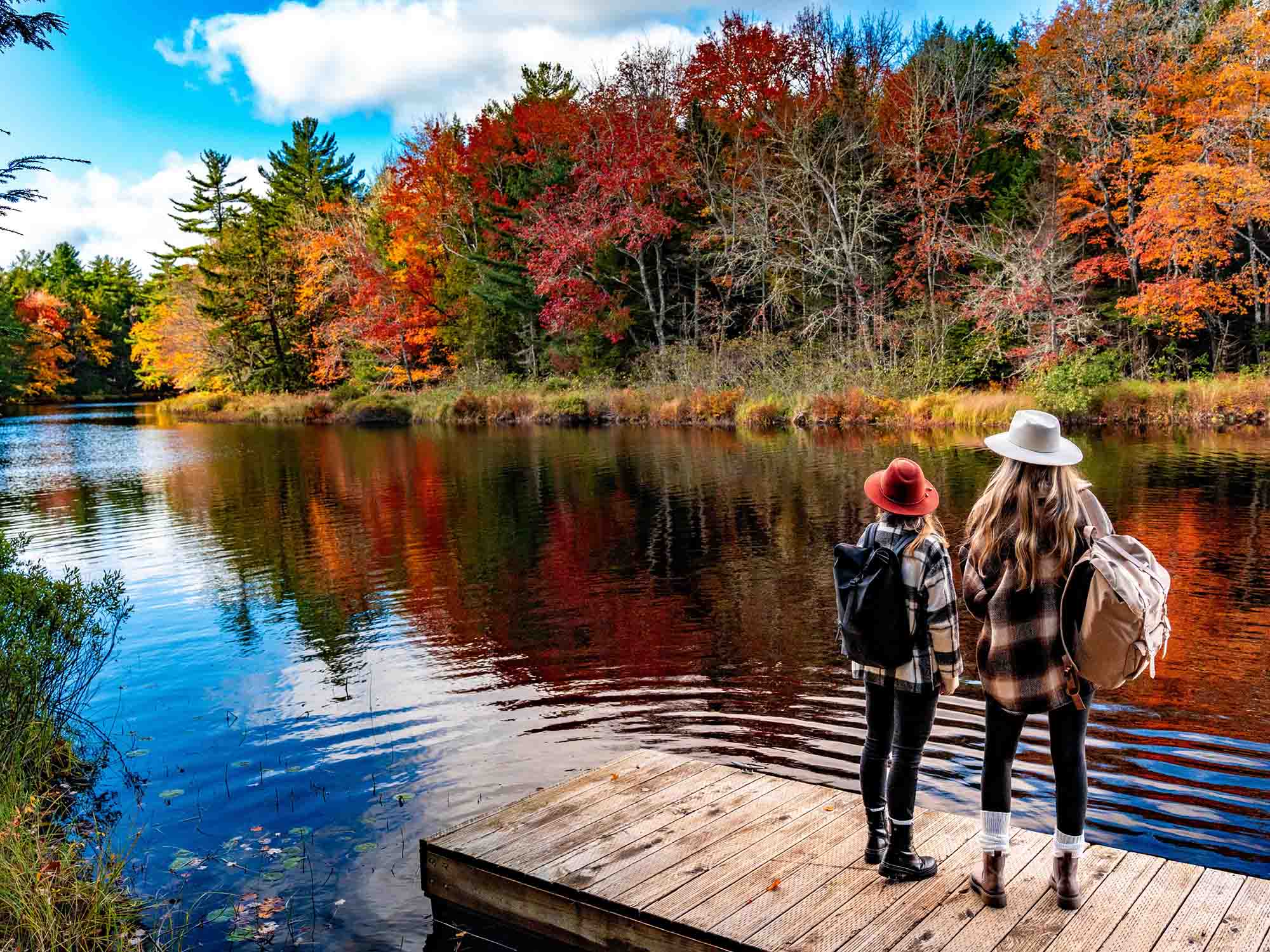
Fall colours at Kejimkujik National Park and National Historic Site

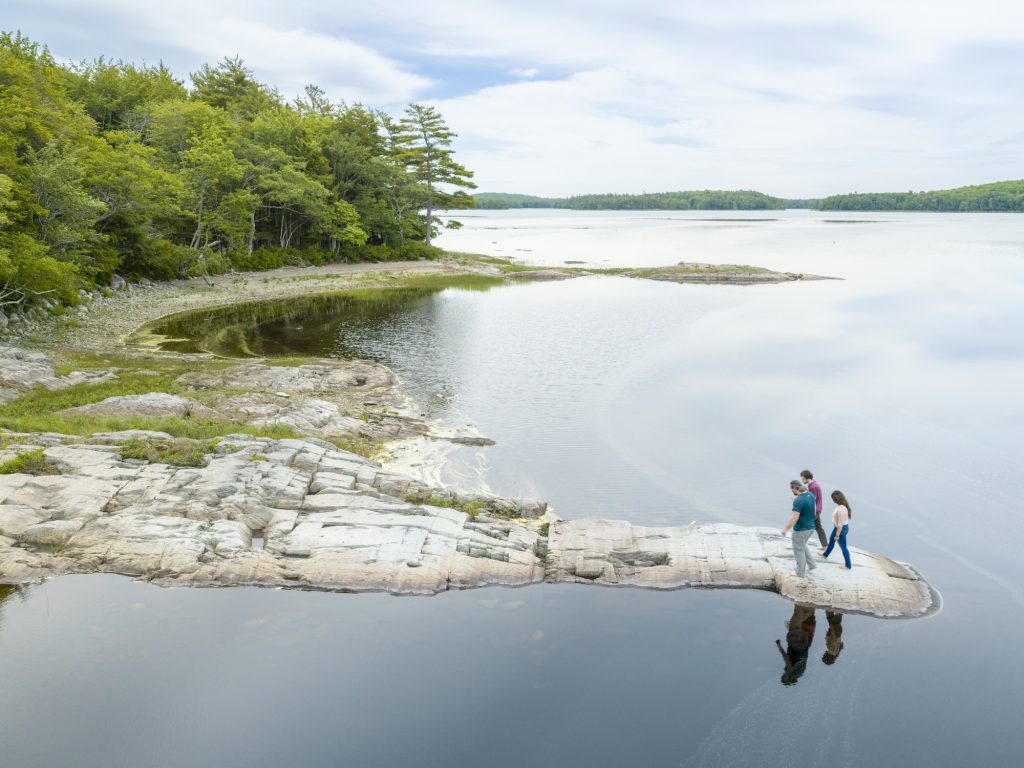
People take part in a petroglyphs tour at Kejimkujik National Park & National Historic Site in Nova Scotia

What Mi’kmaw cultural experiences are available at Kejimkujik National Park & National Historic Site?

Visitors can join guided interpretive programs, learn about traditional ways of life, and discover the significance of the park’s ancient waterways, which have been used by the Mi’kmaq for thousands of years. Kejimkujik is also home to nationally significant Mi’kmaw petroglyphs, offering a unique glimpse into the stories, beliefs, and daily life of the Mi’kmaq. Seasonal programs often include cultural demonstrations, storytelling, language, and other opportunities to connect with Mi’kmaw heritage.
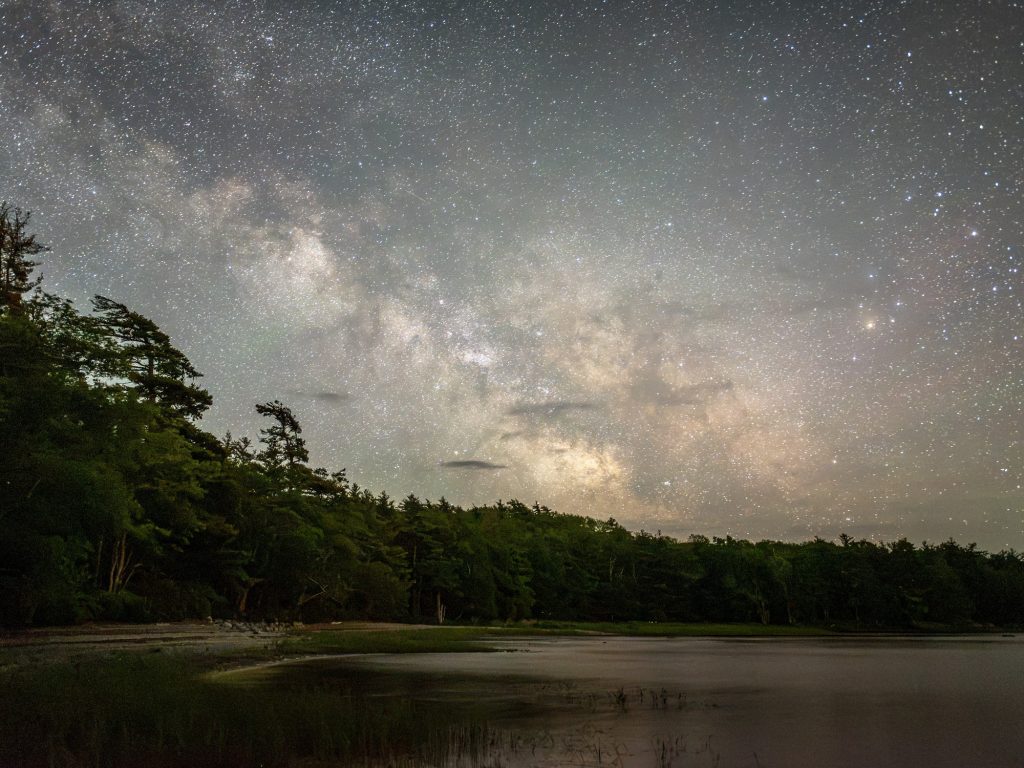
Dark skies at Kejimkujik National Park & National Historic Site in Nova Scotia

What dark sky experiences are available at Kejimkujik National Park & National Historic Site?

Kejimkujik is a designated Dark Sky Preserve and one of the best places in eastern Canada for stargazing. On clear nights, visitors can view the Milky Way, constellations, planets, meteor showers, and thousands of stars with minimal light pollution. Parks Canada offers seasonal dark sky programs and guided night experiences, and visitors can also enjoy self-guided stargazing from designated viewing areas. Many campers stay overnight to experience Kejimkujik’s exceptionally dark skies, making stargazing a highlight of any visit.
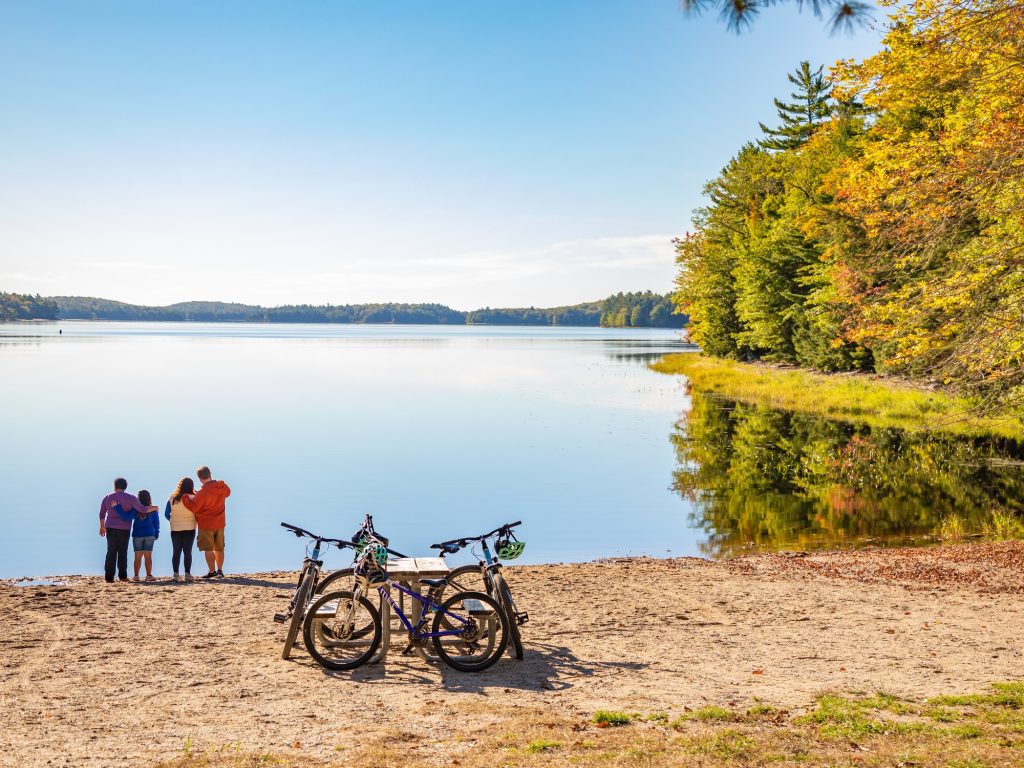
A family stands at a still lake with their bikes resting near by during autumn at Kejimkujik National Park and National Historic Site in Nova Scotia

How crowded does Kejimkujik get?

Kejimkujik is busiest during the summer camping season, particularly on weekends and holidays. Trails, campgrounds, and paddling routes are generally quieter during spring, fall, and weekdays. Even during peak season, the park’s large size often allows visitors to find quieter areas. Accommodations like oTENTiks and popular camping sites can book up during peak camping season, booking in advance is recommended.
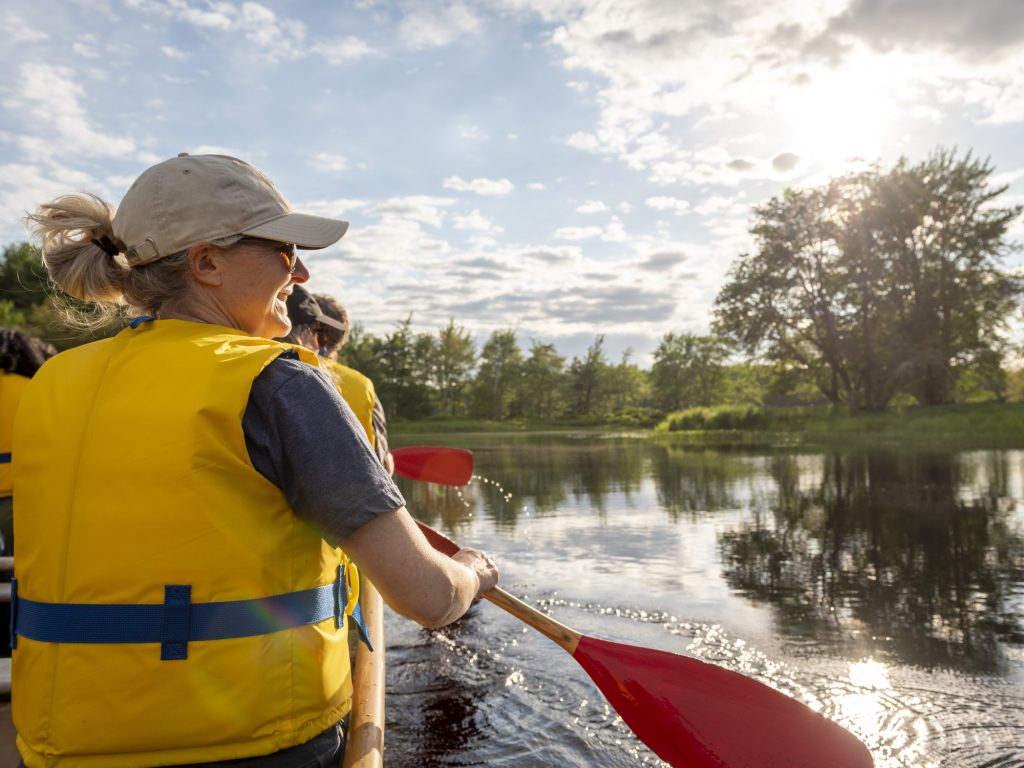
Canoeing in Kejimkujik National Park & National Historic Site in Nova Scotia

What should you expect when you visit?

Expect forests, lakes, rivers, canoe routes, hiking trails, wildlife, cultural experiences, and some of Nova Scotia’s darkest night skies. Much of the experience is focused on nature, outdoor recreation, and cultural heritage. Visitors should be prepared for changing weather conditions and outdoor terrain.


Kejimkujik National Park and National Historic Site Frequently Asked Questions

A half day is enough to experience a short trail or paddling excursion, but most visitors spend one to three days exploring the park. Those interested in canoeing, camping, wildlife viewing, hiking multiple trails, and participating in Mi’kmaw cultural experiences and Dark Sky experiences often stay longer.

Yes. Fall offers colourful forests and comfortable hiking conditions, while winter and spring provide opportunities to experience the park’s landscapes with fewer visitors. Services and facilities are reduced outside the peak season, but many trails and outdoor experiences remain available year-round.

Yes. Parking is available throughout the park at visitor facilities, trailheads, day-use areas, campgrounds, and key access points and is free. However, visitors must purchase a valid park entry permit or admission pass to access the park.

Yes. Families can enjoy easy hiking trails, canoe and kayak rentals, camping, wildlife viewing, guided Mi’kmaw cultural programs, geocaching, stargazing, and outdoor exploration. The park offers experiences for a wide range of ages and skill levels.

Kejimkujik was established as a National Park in 1969 because of its forests, wildlife, and natural ecosystems. It was later designated a National Historic Site in recognition of its Mi’kmaw cultural landscape and the long history of Mi’kmaw travel, gathering, and storytelling along its waterways.

Kejimkujik Seaside is the coastal portion of Kejimkujik National Park and National Historic Site, located near Port Joli on Nova Scotia’s South Shore, about 98 kilometres (61 miles) from the inland park. Separate from the inland park, Kejimkujik National Park Seaside is known for its white-sand beaches, coastal barrens, lagoons, wildlife, and oceanfront hiking trails. Visitors can walk through diverse coastal ecosystems, spot harbour seals and seabirds, and experience a quieter side of Nova Scotia’s Atlantic coastline.

No. Destination content on NovaScotia.com is created to help travellers plan their visit and is not sponsored.

Kejimkujik National Park and National Historic Site is located near Maitland Bridge, inland in southwestern Nova Scotia, an approximately 2.5 hour drive from Halifax. Most visitors arrive by car, and parking is available at trailheads, visitor facilities, campgrounds, and day-use areas. Parkbus also provides round-trip transportation to the park from the VIA Rail Train Station in Downtown Halifax.

Kejimkujik is located in an inland, remote region of the province with few other attractions nearby. The communities of Caledonia (17 km, 11 miles), Annapolis Royal (48 km, 30 mile), and Liverpool (67 km, 42 miles) would be the closest locations for supplies, while Annapolis Royal and Liverpool also offer a variety of visitor attractions and dining options.


This page was created by Tourism Nova Scotia, the official source for travel information and trip planning in Nova Scotia. Content is informed by local knowledge, destination expertise, and information from tourism operators and communities across the province.

Back to top