Skip to Content
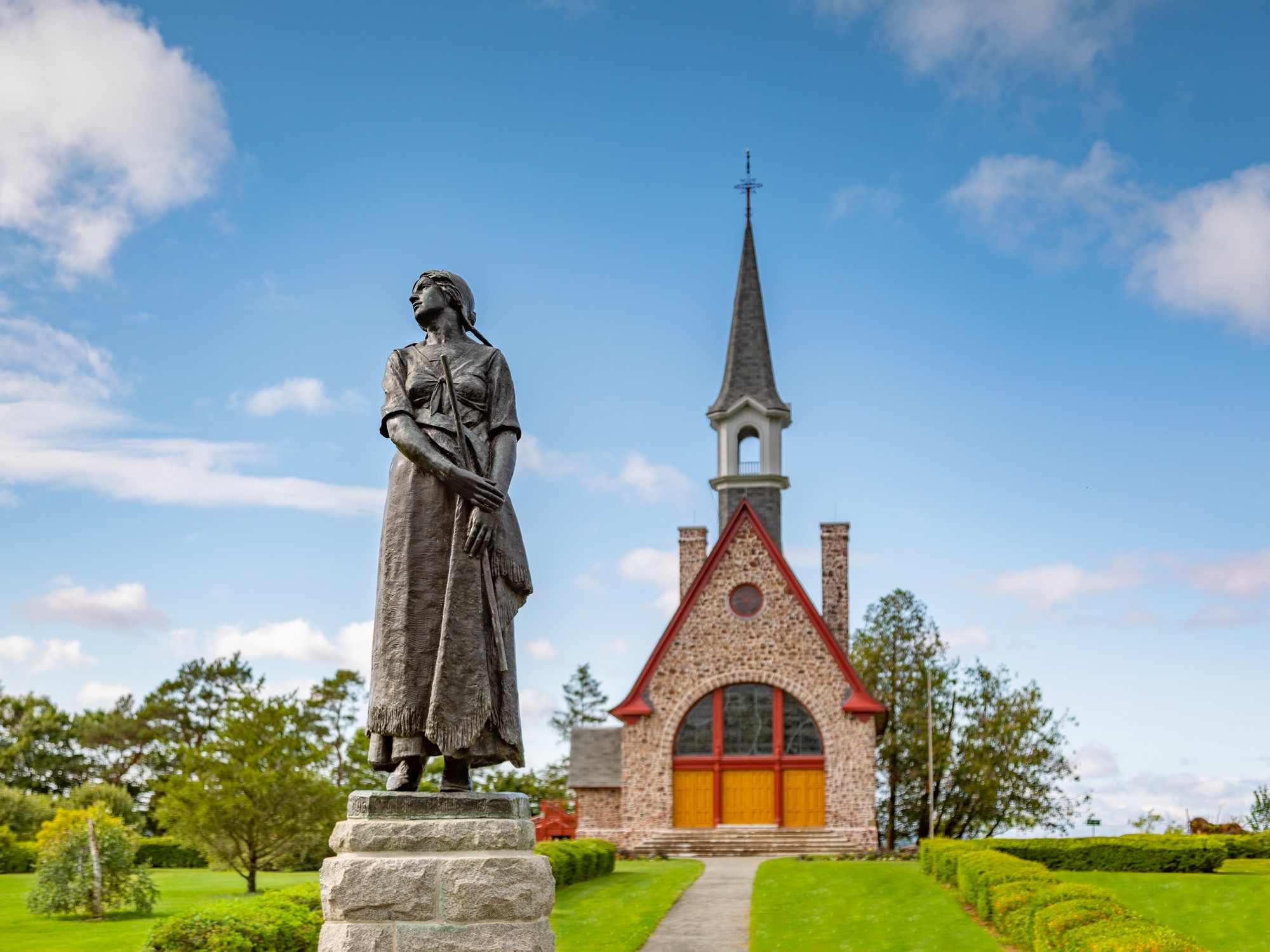
Statue of Evangeline at Grand Pre National Historic Site in Nova Scotia

Grand-Pré National Historic Site

What is Grand-Pré National Historic Site?

Grand-Pré National Historic Site is one of the most important places to learn about Acadian history and culture in Canada. Located in Nova Scotia’s Annapolis Valley, it commemorates the Acadian community that lived here before the Deportation of the Acadians began in 1755 and forms part of the UNESCO-designated Landscape of Grand Pré. Visitors can explore the historic grounds, Memorial Church, and interpretive exhibits while learning about a story that continues to shape Acadian communities around the world. Most visitors spend 1.5 to 3 hours exploring the site and nearby viewpoints.

Is Grand-Pré National Historic Site worth the trip?

Yes. Grand-Pré National Historic Site is a worthwhile stop for travellers interested in history, culture, and the landscapes of the Annapolis Valley. The site is compact and easy to explore, making it a popular addition to a day trip that includes local wineries, farm markets, and other attractions in the region. Its peaceful setting and cultural significance leave a lasting impression on many visitors.
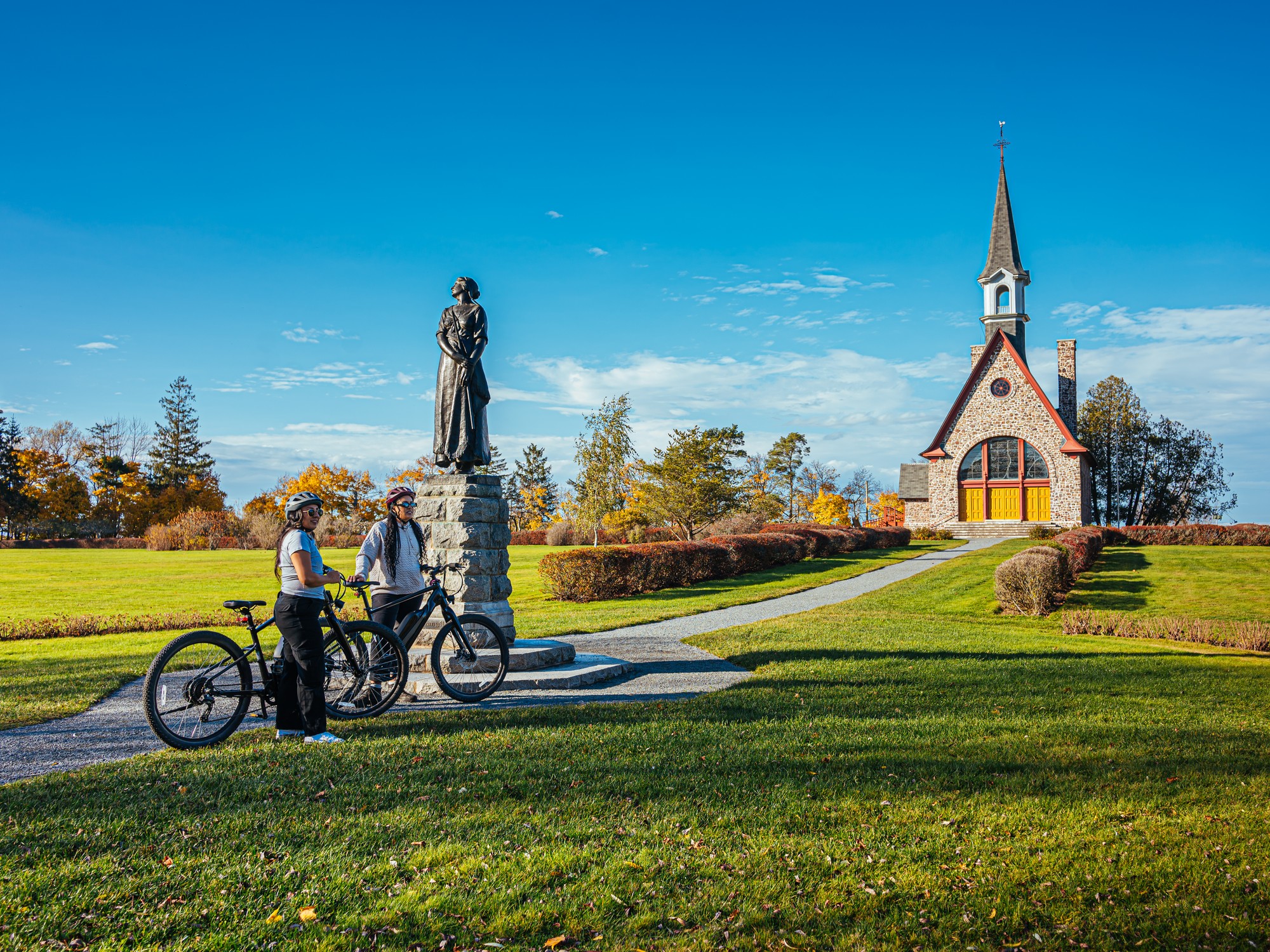
Two cyclists at the church at Grand Pre National Historic Site in Nova Scotia

When is the best time to visit Grand-Pré National Historic Site?

The best time to visit Grand-Pré National Historic Site is between late spring and early fall, when the historic grounds, gardens, and UNESCO World Heritage landscape are at their most beautiful and the Visitor Reception Centre is open. In summer visitors can take part in guided tours and special programming, while spring and fall provide a quieter experience. Early morning and late afternoon are ideal for enjoying the site’s peaceful atmosphere and views of the surrounding Annapolis Valley.  

How do you get to Grand-Pré National Historic Site? 

Grand-Pré National Historic Site is located in Nova Scotia’s Annapolis Valley, approximately a one-hour drive from Halifax and just a few minutes from Wolfville. The site is easily reached by car via Highway 101 and offers on-site parking. Many visitors combine a visit to Grand- Pré with nearby wineries, restaurants, and other Annapolis Valley attractions.  

What should you really expect at Grand-Pré National Historic Site?

Grand-Pré National Historic Site is a peaceful, self-paced experience where most visitors spend 1.5 to 3 hours exploring the exhibits, Memorial Church, grounds, and UNESCO World Heritage landscape. Parking is available on site and is typically easy to find. Summer brings the highest visitor numbers and guided tours, but the expansive site rarely feels crowded. As with much of the province, weather can change throughout the day, so it’s a good idea to bring layers and comfortable walking shoes for exploring the outdoor grounds and viewpoints.

Is Grand-Pré National Historic Site accessible? 

Yes. Grand-Pré National Historic Site offers accessible services and includes many features that support visitors with mobility needs. The Visitor Reception Centre, exhibits, Memorial Church, washrooms, and parking areas are accessible, and much of the site is connected by flat pathways that make exploring the grounds easier for wheelchair users, mobility device users, and families with strollers.  

What else is nearby? 

Pair your visit to Grand-Pré National Historic Site with time in Wolfville, a vibrant Annapolis Valley town just minutes away. After exploring the history and cultural landscape of Grand-Pré National Historic Site, stroll Wolfville’s walkable downtown, browse local shops, enjoy a meal at a local restaurant, or visit a nearby winery. The Harvest Moon Trailway runs through the Landscape of Grand Pré UNESCO World Heritage Site, making for easy access on a bicycle. ogether, Grand-Pré and Wolfville create an easy half-day or full-day experience that combines Acadian history, beautiful scenery, and local food and wine.  

Grand-Pré National Historic Site Frequently Asked Questions

Most visitors spend 1.5 to 3 hours exploring the exhibits, Memorial Church, grounds, and UNESCO World Heritage landscape. Visitors attending guided tours or special programs may wish to stay longer.  

Early morning and late afternoon are ideal for enjoying the site’s peaceful atmosphere and views of the Annapolis Valley. Summer afternoons may be busier due to guided tours and seasonal visitation.  

Yes. Accessible parking, washrooms, exhibits, and visitor facilities are available, and much of the site is connected by relatively flat pathways that are suitable for many wheelchair users, mobility device users, and strollers. 

Yes. On-site parking is available for visitors at no cost. The site also includes washrooms, exhibits, a gift shop, picnic areas, and interpretive services. Admission fees apply when the site is open.  

Grand-Pré National Historic Site is generally not crowded. Visitor numbers are highest during summer, while spring, fall, and weekdays typically offer a quieter experience.  

Yes. Spring and fall offer fewer visitors and beautiful views of the Annapolis Valley and surrounding landscape. While the Visitor Reception Centre operates seasonally, typically between May and October, the grounds remain open year-round, making Grand-Pré a worthwhile stop outside the summer season.  


This page was created by Tourism Nova Scotia, the official source for travel information and trip planning in Nova Scotia. Content is informed by local knowledge, destination expertise, and information from tourism operators and communities across the province.

Back to top