Skip to Content
Three people taking the White Glove Tour behind the scenes at the Alexander Graham Bell National Historic Site in Baddeck, Nova Scotia. One person is using a wheelchair in this accessible museum.

Accessible Nova Scotia

Accessibility in Nova Scotia

Is Nova Scotia accessible?

The Province of Nova Scotia is committed to removing and preventing barriers for people with disabilities and is working towards a goal of being fully accessible by 2030.

With a focus on built environment, transportation, employment, goods and service, communication and education, the Government’s approved accessibility standards will guide all new and existing infrastructure, including accessibility requirements for businesses, buildings, outdoor and recreational spaces, and more.

Accessible Travel in Nova Scotia

Wheelchair Accessible Nova Scotia

Discover wheelchair accessible and wheelchair friendly places to stay, dine, visit and explore throughout Nova Scotia.

Learn more
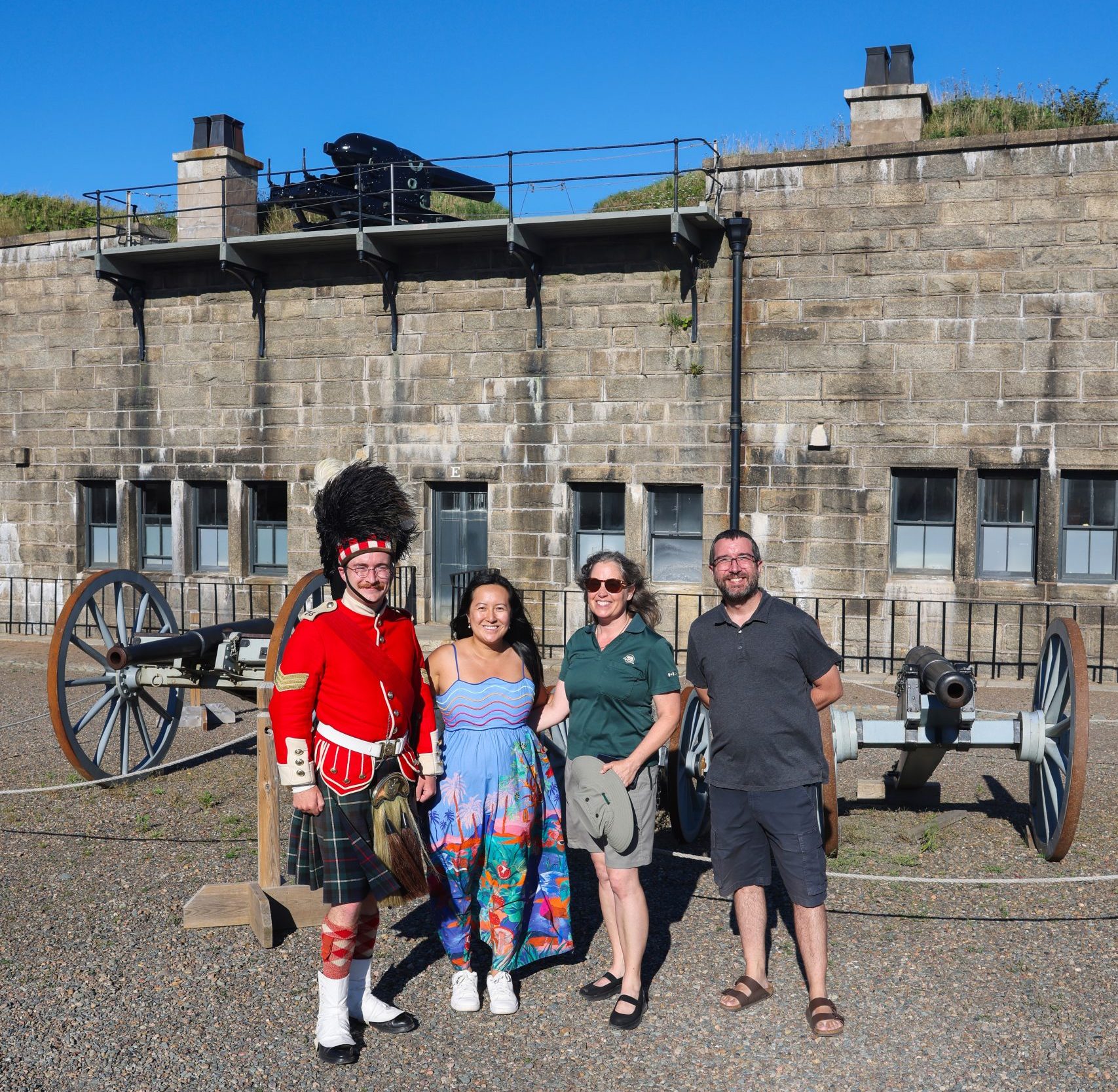
Lily Yu on an ASL-interpreted private tour with Parks Canada staff at the Halifax Citadel National Historic Site in Halifax Nova Scotia.

Deaf Accessible Travel in Nova Scotia

Deaf travellers, Lily Yu and Daniel Heidemeyer share their experiences and practical Deaf accessibility tips to help everyone explore Nova Scotia.

Learn More

Accessibility in Nova Scotia: Frequently Asked Questions

Yes! Nova Scotia offers a growing range of accessible experiences – from waterfront boardwalks and cultural attractions, and museums to viewing platforms, accommodations, restaurants, and outdoor adventures and tours.

Accessibility can vary by location as well as by season, especially at beaches, trails, historic sites, and natural attractions, so it’s always recommended to confirm accessibility features directly with individual businesses and attractions before visiting.

American Sign Language (ASL) Langue des Signes Québécoise (LSQ) are Canada’s two official Sign languages. ASL is the primary Sign language used by most Deaf people in Nova Scotia, alongside English.

There is also a regional dialect, Maritimes Sign Language (MSL), which may also be spoken/used within the Canadian Maritime provinces.

Yes. Accommodations in Nova Scotia – which include places to stay such as hotels, inns, cottages, campgrounds, vacation homes, and resorts – offer accessibility features that vary by property. It’s best to confirm directly with the accommodation business before booking to ensure your accessibility needs will be met.

Click here to browse accommodations and campgrounds in Nova Scotia that have self-identified as having accessibility features.

Halifax is one of Nova Scotia’s most accessible destinations, with accessible accommodations, attractions, transportation options, and public spaces, including much of the Halifax Waterfront and downtown core.

While some areas of downtown Halifax have steep hills and some historic buildings may offer limited accessibility, most major visitor attractions such as museums and indoor and outdoor event venues, along with hotel properties, restaurants, and more provide accessibility features and information on their websites to assist everyone.

In intersections throughout Halifax, Accessible Pedestrian Signals (APS) have been implemented that feature audible, tactile, and visual cues for visually impaired pedestrians including directional tones to provide safety and guidance.

Yes, many of Nova Scotia’s cities and towns, along with the many businesses and the most popular attractions offer accessibility features which may include barrier-free entrances and washrooms, designated parking spaces, accessible pedestrian traffic signals, and well lit level pathways and viewing areas.

Where the level of accessible features may vary from place to place, we recommend reviewing accessibility information offered by the specific locations as you plan your visit as well as to contact businesses directly for additional details to ensure your needs will be met.

Currently, tourism businesses and attractions on NovaScotia.com self-identify if they are partially accessible/wheelchair friendly or wheelchair accessible.

Tourism Nova Scotia encourages all tourism operators to include details and photos outlining available accessibility features within their business/attraction to give everyone the opportunity to travel with confidence and ease.

*Tourism businesses listed on NovaScotia.com as being accessible have self-identified as being wheelchair accessible, partially accessible, and/or hearing accessible in their business listing(s) on NovaScotia.com and/or on their business website. Be sure to contact businesses directly for additional information.


Back to top