Skip to Content
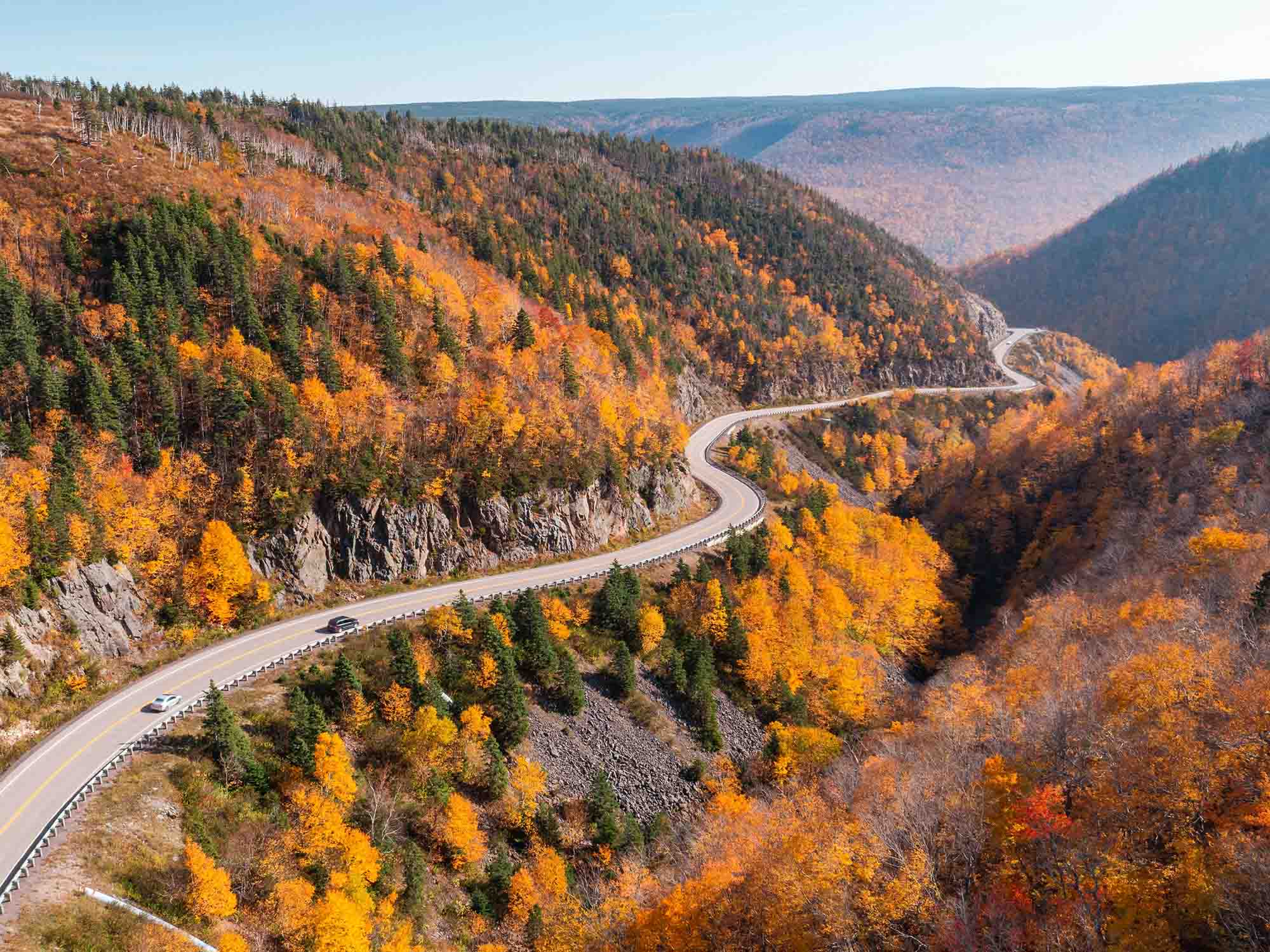
North Mountain in Fall with Autumn colours all around the Cabot Trail in Cape Breton, Nova Scotia

Seasonal Travel in Nova Scotia

When is the best time to visit Nova Scotia?

The best time to visit Nova Scotia depends on the experiences you’re looking for. Spring brings blossoms and hikes, summer is ideal for beaches, festivals, and coastal road trips, fall is known for colourful scenery along the Cabot Trail and winery visits in the Annapolis Valley, and winter offers seasonal experiences such as Nova Scotia Lobster Crawl and outdoor adventures like skiing and snowmobiling. Every season offers a different way to experience Nova Scotia’s communities, landscapes, and culture.

Is Nova Scotia worth visiting outside summer?

Yes. While summer is the busiest travel season, many visitors prefer spring, fall, and winter for smaller crowds, seasonal events, and unique experiences. Depending on the time of year, you can enjoy spring blossoms in the Annapolis Valley, fall colours along the Cabot Trail, winter food and wine events, and outdoor adventures across the province.

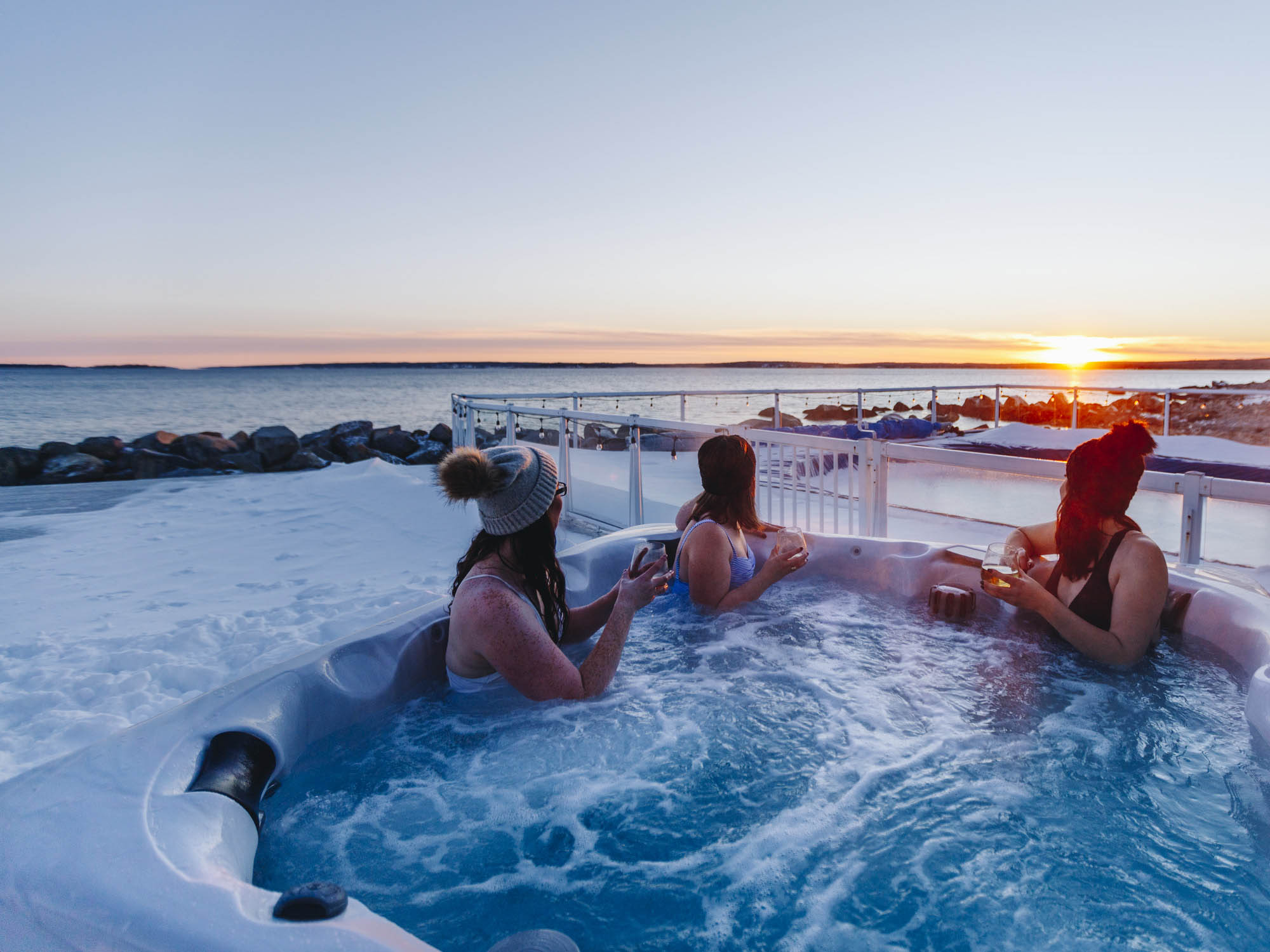
Three people in a hot tub at a Sidanna Retreat cottage on Nova Scotia's South Shore, watching the winter sunset over the ocean.
Sidanna Retreat

What months have the fewest crowds?

Spring and late fall typically offer the fewest crowds while still providing access to many attractions and experiences. Winter can also be a great time for visitors seeking quieter travel experiences, though some seasonal tourism businesses may operate reduced hours or close for the season.

Peggy's Cove Lighthouse

What should you really expect when visiting Nova Scotia?

Every season offers unique benefits and trade-offs. Summer provides the greatest choice of activities and services but also the largest crowds. Spring, fall, and winter can offer lower visitor volumes and memorable seasonal experiences, though some attractions and tourism businesses may operate reduced hours or close outside the peak travel season. Choosing the best time to visit depends on your interests, travel style, and the experiences you hope to have.

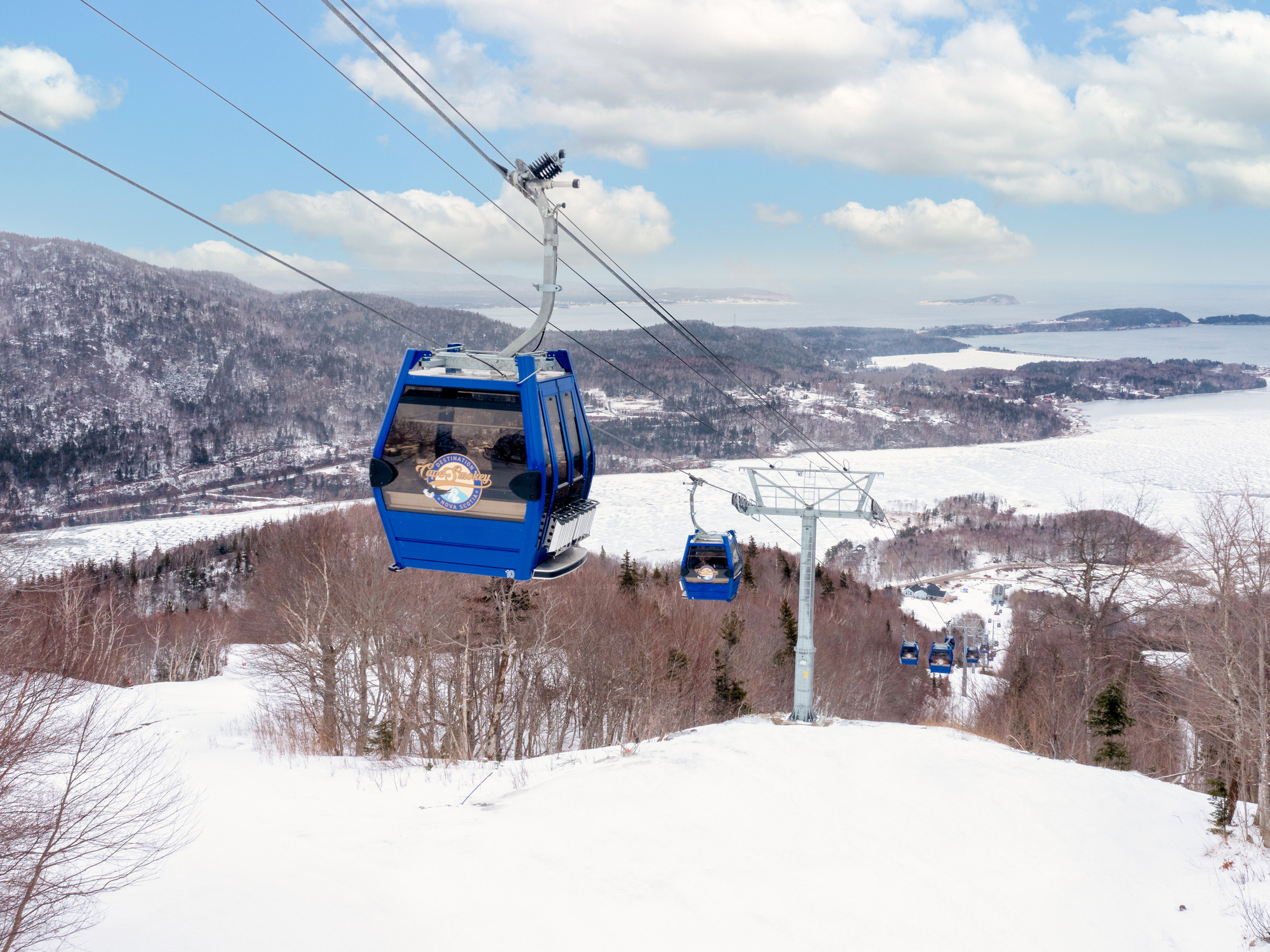
A blue gondola travels up the side of a snowy mountain overlooking the water at Cape Smokey, Nova Scotia
Cape Smokey Gondola

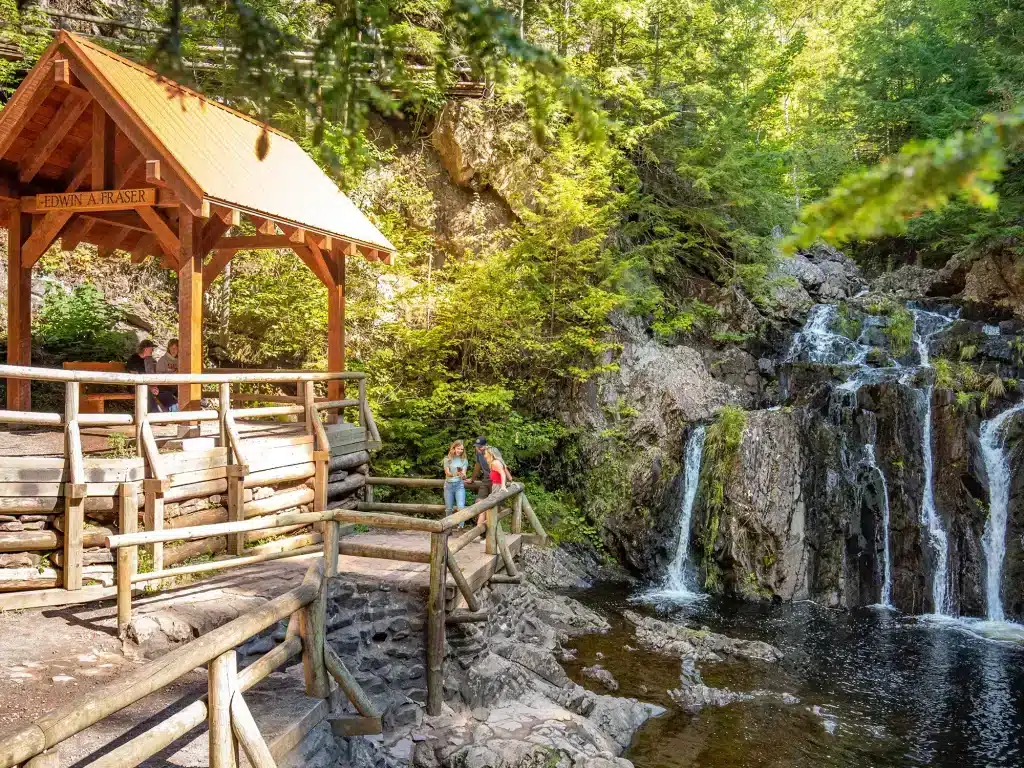
3 friends stand by the falls at Victoria Park in Truro

What is Nova Scotia like in spring?

Spring is a season of renewal across Nova Scotia. Visitors can enjoy blossoming orchards in the Annapolis Valley, coastal hiking trails, whale watching in some regions, and attractions that are often quieter than during the summer months. It’s an excellent time for road trips, photography, and exploring communities before peak season begins.


Two people run into the water for a swim during sunset.

What is Nova Scotia like in summer?

Summer offers the widest range of tourism experiences, including beaches, festivals, whale watching, outdoor concerts, camping, sailing, and road trips. This is also the busiest travel season, with many attractions, accommodations, and seasonal operators running at full capacity.

Two people walk along a path at Roseway Beach in Shelburne, Nova Scotia during fall.

What is Nova Scotia like in fall?

Fall is one of Nova Scotia’s most popular seasons thanks to colourful foliage, harvest experiences, wineries, scenic drives, and comfortable hiking conditions. The Cabot Trail is particularly famous for autumn colours, and festivals such as Celtic Colours International Festival attract visitors from around the world.

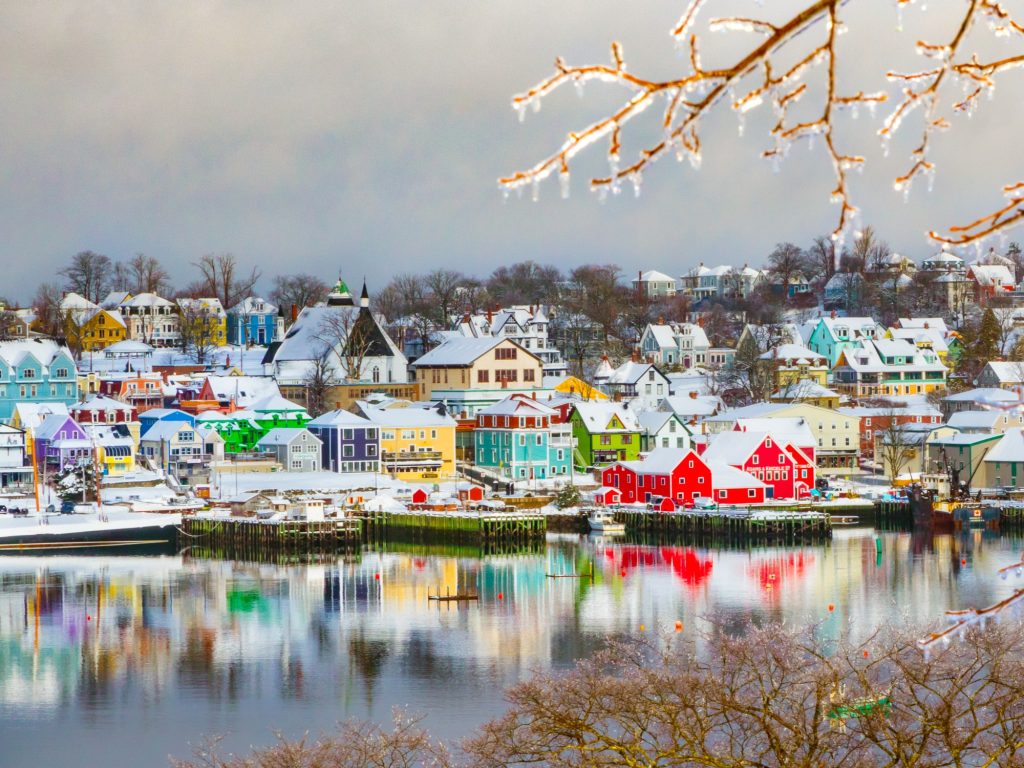
Lunenburg, Nova Scotia waterfront in Winter

What is Nova Scotia like in winter?

Winter offers a quieter and often more local view of Nova Scotia. Visitors can enjoy seasonal festivals, culinary events, winter hiking, skiing and snowboarding at destinations like Cape Smokey, Ski Wentworth, and Ski Martock, cozy accommodations, and festive experiences throughout communities across the province.

Nova Scotia Seasonal Travel Frequently Asked Questions

July and August are generally the busiest months for tourism across Nova Scotia. Popular destinations such as Peggy’s Cove, Lunenburg, the Cabot Trail, and Halifax experience their highest visitation levels during the summer vacation season.

July, August, and early September typically offer the warmest beach weather. The Northumberland Shore is particularly known for warm ocean water, while destinations such as Martinique Beach, Clam Harbour Beach, Queensland Beach, and Melmerby Beach are popular throughout the summer.

Late spring, summer, and fall all offer excellent hiking conditions. Fall is particularly popular because of cooler temperatures and colourful foliage, while spring often brings fewer crowds to trails throughout Nova Scotia.

Whale watching generally takes place from late spring through fall, depending on the region. Popular destinations include Digby & Islands, Brier Island, Cape Breton Island, and the Bay of Fundy.

Nova Scotia’s food and wine experiences can be enjoyed year-round, but fall is especially popular because of harvest season, winery events, local produce, seafood, and culinary festivals. The Annapolis Valley is a particular highlight during this time of year.

Summer offers the largest number of festivals and events, but every season has signature experiences. Fall features Celtic Colours International Festival and harvest celebrations, while winter includes Evergreen Festival, Nova Scotia Lobster Crawl, Dine Around, and other seasonal events.

Nova Scotia experiences four distinct seasons, and weather can vary significantly throughout the year and across regions. Coastal conditions can change quickly, particularly in spring and fall, so dressing in layers and checking local forecasts before outdoor activities is always recommended.

Business hours of operation, including if a business is open seasonally, is included on the top right corner of each business listing.

In the event of severe weather impacts on the province, Tourism Nova Scotia will feature an alert at the top of the NovaScotia.com home page. For all other weather impacts and information on road conditions, it is good practice to use a platform such as Google Maps, when travelling. Travellers can also find information on road conditions on Nova Scotia 511.

Nova Scotia can get a significant amount of snow, with some regions, like Cape Breton Island, getting much more than others. A typical year can have snowfall from late November through early April, though it can come and go multiple times throughout the winter.

Nova Scotia has a maritime climate, which means the Atlantic Ocean strongly influencers the weather. Winters can be cold and snowy with temperatures from -15 to 5°C, while summers are generally warm and range from 20 to 25°C. Daily, temperatures can noticeably vary between coastal communities and inland areas. Learn more about Nova Scotia’s weather here.

Layers are recommended in every season. Nova Scotia’s weather can change throughout the day, especially near the coast. Even in summer, evenings near the ocean can be cool, while spring and fall can have rapidly changing conditions. A rain jacket is a good idea year-round, while comfortable and waterproof walking shoes are a good consideration for your trip.

Back to top